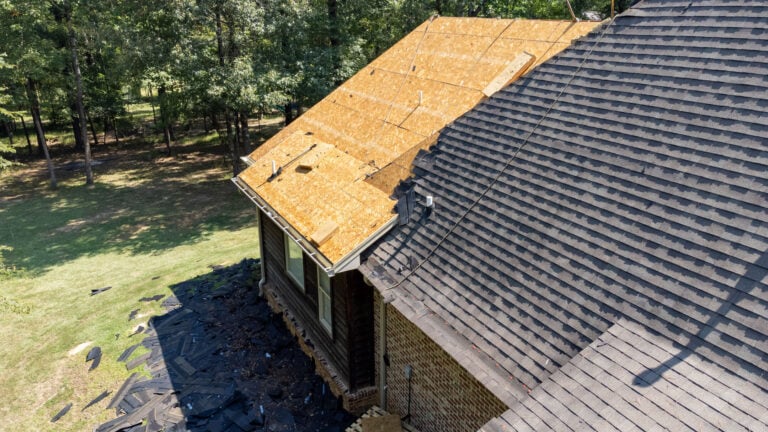
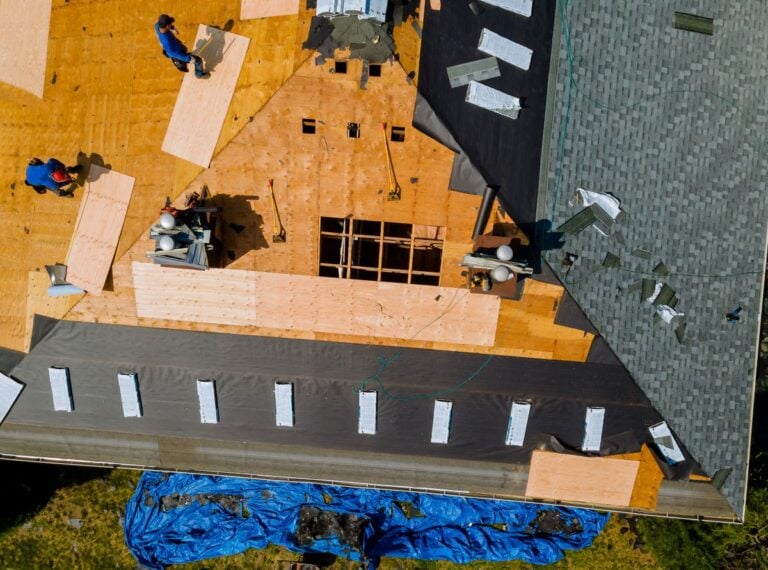
Roof leak detection is essential for identifying moisture issues early and preventing structural damage to your home. Small leaks can quickly develop into larger problems that affect insulation, drywall, and framing if not addressed promptly. Understanding the tools and warning signs used in roof leak detection helps homeowners take proactive steps and avoid costly repairs.
Before diving into the details, here are three important things to keep in mind:
- Early detection reduces damage: Identifying leaks quickly prevents costly structural issues.
- Professional tools improve accuracy: Specialized equipment helps locate hidden leaks.
- Visual signs matter: Many leaks show warning signs before major damage occurs.
6 Essential Tools and Signs for Roof Leak Detection
Roof leak detection involves a combination of professional tools and visible warning signs that help identify moisture intrusion. Each method plays a role in locating leaks and determining the extent of the problem.
Understanding these tools and signs allows homeowners to recognize issues early and communicate more effectively with roofing professionals.
1. Moisture Meters
Moisture meters are one of the most effective tools used in roof leak detection because they measure the moisture content within roofing materials and underlying structures. These devices help identify hidden water damage that may not be visible on the surface.
Professionals use moisture meters to pinpoint areas where water has penetrated beneath shingles or into decking. This allows for targeted repairs instead of unnecessary full roof replacements.
- Accurate readings: Detects moisture levels inside materials.
- Hidden leak detection: Identifies water damage not visible to the eye.
- Targeted repairs: Helps limit repair scope to affected areas.
2. Infrared Thermal Imaging
Infrared thermal imaging is a non invasive roof leak detection method that identifies temperature differences caused by moisture. Wet areas retain heat differently than dry materials, allowing professionals to locate leaks without removing roofing components.
This technology is especially useful for large or complex roofing systems where leaks may be difficult to find through visual inspection alone.
- Non invasive method: Does not require removing roofing materials.
- Temperature detection: Identifies moisture through heat variation.
- Efficient inspections: Covers large roof areas quickly.
3. Water Stains and Interior Signs
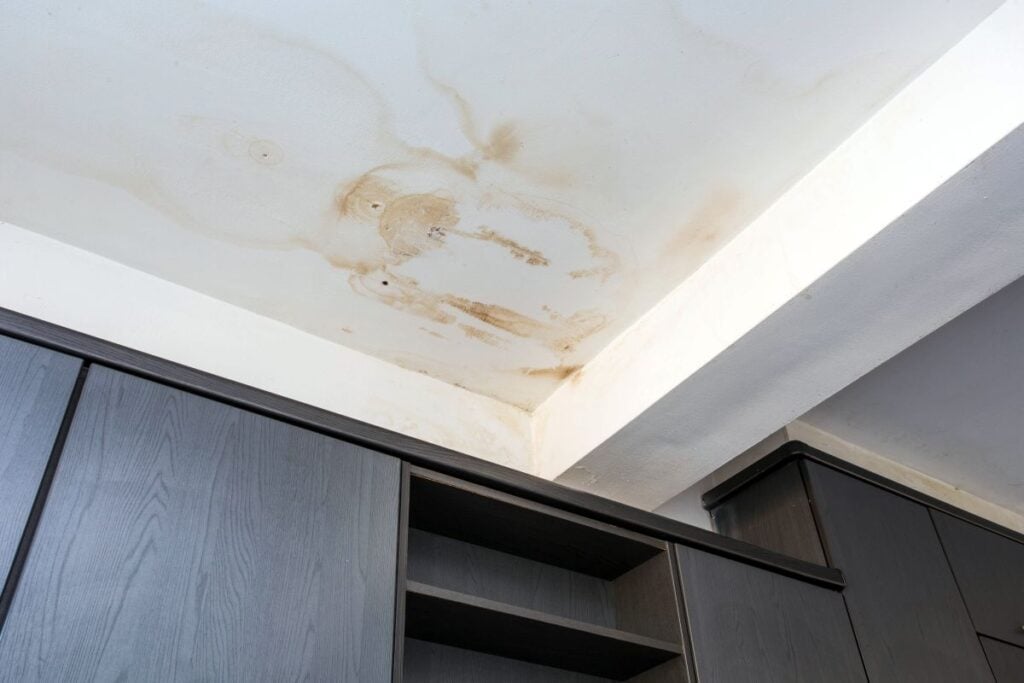
Interior water stains are one of the most common indicators of roof leaks. Discoloration on ceilings or walls often signals moisture intrusion from above, making it a key factor in roof leak detection.
Homeowners should monitor ceilings and attic spaces for signs of staining or dampness. These indicators often appear before more severe structural damage occurs.
- Visible warning sign: Stains indicate moisture intrusion.
- Interior detection: Helps identify leaks from inside the home.
- Early intervention: Allows repairs before damage spreads.
4. Damaged or Missing Shingles
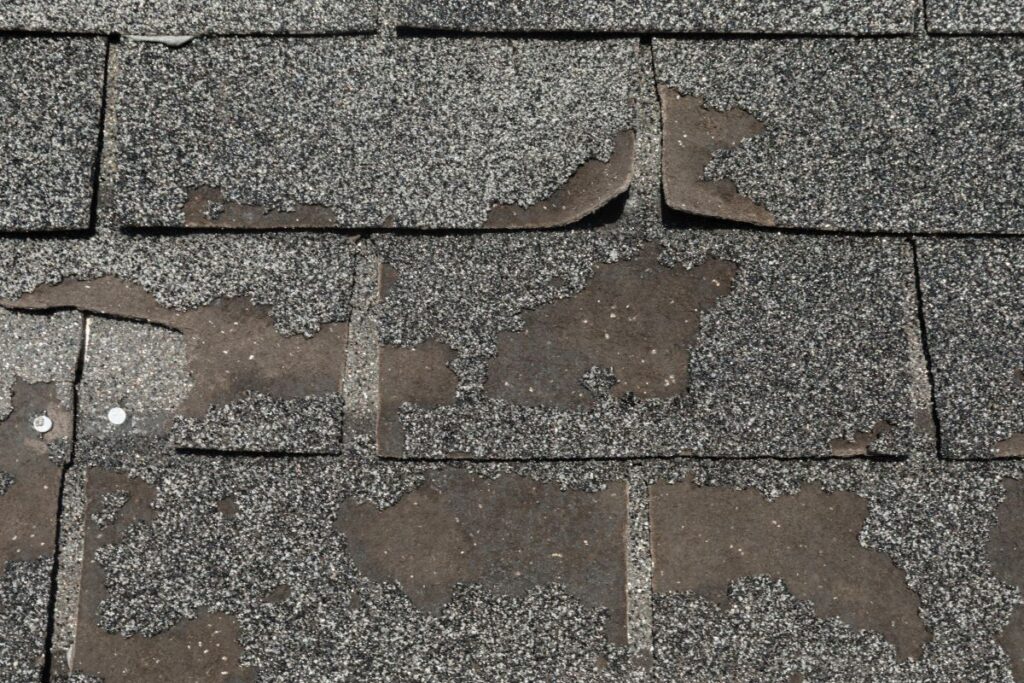
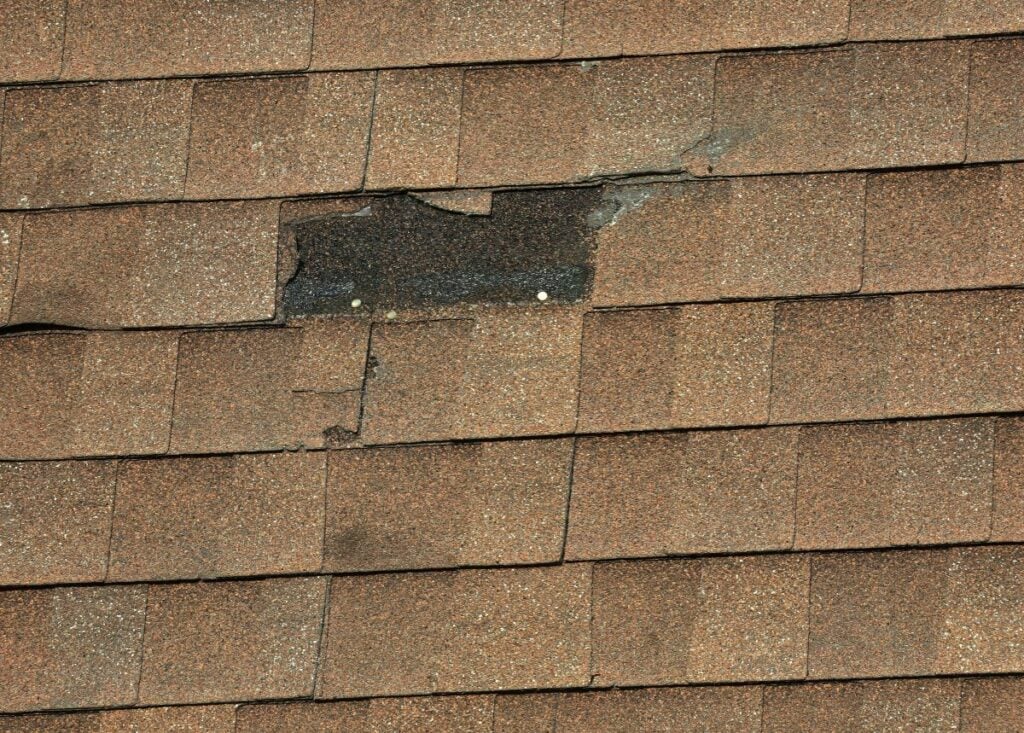
Missing, cracked, or curling shingles are a major cause of roof leaks and an important part of roof leak detection. Damaged shingles expose the underlying roofing system to water intrusion.
Regular visual inspections from the ground can help homeowners identify these issues early. Addressing shingle damage quickly helps prevent leaks from developing.
- Surface damage indicator: Shingle issues often lead to leaks.
- Weather impact: Wind and storms commonly cause damage.
- Preventative action: Early repair reduces risk of water intrusion.
5. Flashing Failures
Flashing is installed around roof features such as chimneys, vents, and skylights to prevent water intrusion. When flashing becomes loose or deteriorated, it creates entry points for moisture.
Roof leak detection often focuses on these areas because they are more vulnerable than flat roof sections. Proper sealing is critical for maintaining protection.
- High risk areas: Flashing is prone to wear and failure.
- Seal breakdown: Gaps allow water to enter the roof system.
- Critical protection: Proper flashing prevents leaks around openings.
6. Attic Inspection and Ventilation Issues
The attic plays a key role in roof leak detection because it provides access to the underside of the roof. Inspecting the attic can reveal moisture, mold, or insulation damage caused by leaks.
Poor ventilation can also contribute to moisture buildup, which may be mistaken for leaks. Proper airflow helps maintain roof health and prevents condensation issues.
- Interior inspection point: Attic reveals hidden moisture problems.
- Ventilation impact: Poor airflow can cause moisture buildup.
- Structural awareness: Helps identify damage early.
Common Causes of Roof Leaks Homeowners Should Understand
Roof leak detection is more effective when homeowners understand what causes leaks in the first place. Identifying common causes helps prevent future issues and supports better maintenance decisions.
- Aging roofing materials: Older shingles lose effectiveness over time.
- Storm damage: Wind, hail, and debris can create entry points for water.
- Improper installation: Poor workmanship increases leak risk.
- Clogged gutters: Water buildup can force moisture under shingles.
- Flashing deterioration: Worn flashing allows water intrusion.
- Ventilation issues: Poor airflow can contribute to moisture problems.
When to Call a Professional for Roof Leak Detection
Knowing when to contact a professional is essential for preventing further damage. While some signs are visible, many leaks require specialized tools and expertise to locate accurately.
Professional inspections ensure that the source of the leak is properly identified and addressed.
Signs You Need Professional Inspection
Certain warning signs indicate that professional roof leak detection is necessary. Ignoring these signs can lead to more extensive damage and higher repair costs.
Homeowners should act quickly when these indicators appear.
- Persistent leaks: Ongoing moisture issues require expert evaluation.
- Multiple stains: Widespread discoloration suggests larger problems.
- Unknown source: Hidden leaks require specialized tools to locate.
Benefits of Professional Leak Detection Services
Professional roof leak detection provides accurate diagnosis and effective repair recommendations. Experienced contractors use advanced tools and techniques to identify issues that may not be visible.
This approach ensures long term solutions rather than temporary fixes.
- Advanced equipment: Tools improve accuracy and efficiency.
- Comprehensive assessment: Identifies root cause of leaks.
- Long term solutions: Prevents recurring issues.
Protecting Your Home With Proper Roof Leak Detection
Roof leak detection is a critical part of maintaining your home and preventing costly structural damage. Identifying leaks early using the right tools and recognizing warning signs helps protect your roofing system and interior spaces.
McCormick Renovations brings hands on experience, professional inspection methods, and proven roofing expertise to every project. Homeowners benefit from accurate assessments, reliable recommendations, and quality workmanship. If you suspect a leak or want a professional evaluation, contact McCormick Renovations for expert roof leak detection and dependable service.