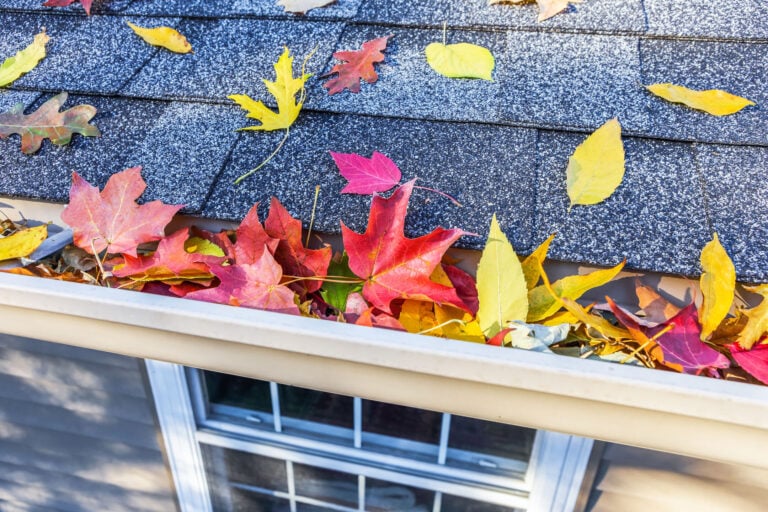
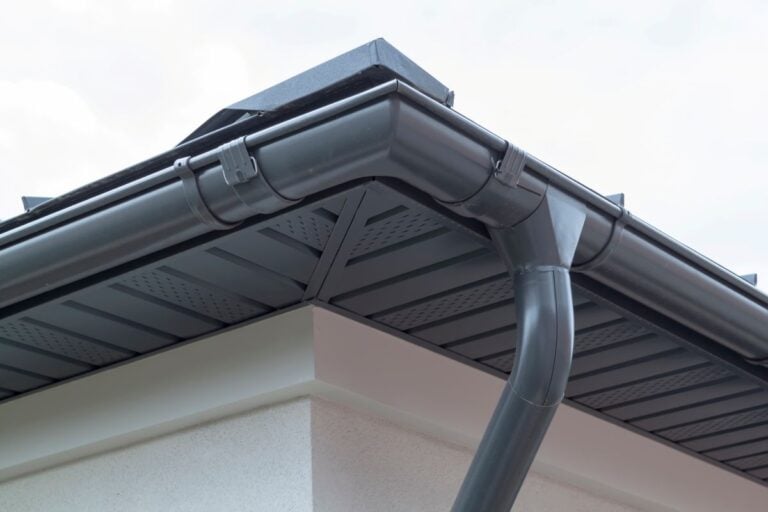
Downspout repair is one of those home maintenance tasks that homeowners tend to put off until water is already running down the side of the house (or worse, pooling at the foundation). The downspouts on your home have one critical job: carry water from your gutters down to the ground and away from your foundation, and when they fail at that job, the water goes somewhere it shouldn’t. This guide walks Pittsburgh homeowners through the five main signs that your downspouts need attention, when you can handle the fix yourself versus when it’s time to call a pro, and what to do when repair isn’t the right answer anymore.
- 5 damage signs: From obvious dents to subtle leaks and sagging you might not notice.
- DIY vs. hiring a pro: When the fix is weekend-friendly and when it needs expert hands.
- Repair vs. replacement: Signs it’s time to stop patching and plan for new gutters altogether.
Why Downspout Repair Matters
A failing downspout dumps water right next to your house instead of carrying it safely away, and that misdirected water does real damage over time. Pittsburgh’s freeze-thaw cycles make the problem worse because any water that pools near the foundation can freeze and expand, cracking concrete and finding its way into your basement.
- Foundation damage: Water pooling near the foundation causes cracks, settling, and basement leaks.
- Siding damage: Water running down the side of the house rots wood siding, damages paint, and feeds mold.
- Landscape erosion: Concentrated runoff washes out mulch, flower beds, and lawn areas.
- Interior water damage: Basement moisture problems trace back to downspout failures more often than homeowners expect.
5 Signs Your Downspouts Need Repair
Walking around your house after a heavy rain is the easiest way to catch downspout problems early. Here are the five signs to look for.
1. Dented or Visibly Damaged Downspouts
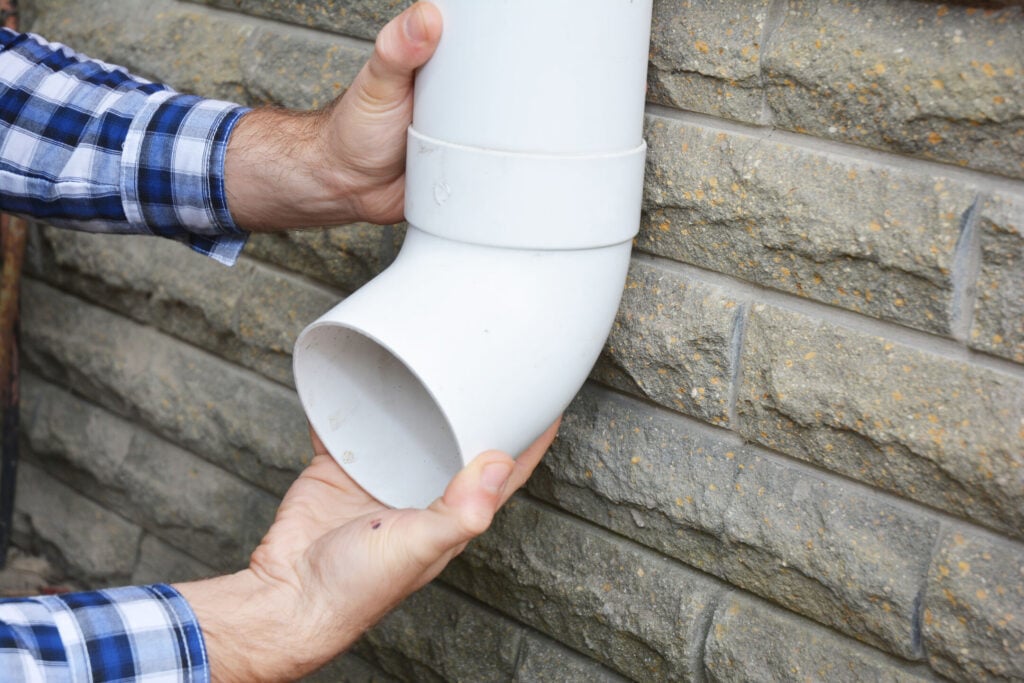
Dents and visible damage usually come from fallen branches, ladder impacts, lawn equipment strikes, or snow and ice sliding off the roof. Minor dents might not affect function, but larger impacts can crush the downspout enough to restrict water flow or create weak points where leaks develop later. Dents at the elbow joints (where the downspout changes direction) are particularly common and particularly damaging to flow.
- Common causes: Fallen branches, ladder impacts, lawn equipment, snow and ice falls.
- Elbow damage: Joints where the downspout turns are most vulnerable.
- Flow restriction: Dented sections slow water flow and cause backups higher in the gutter.
- Early intervention: Minor dents are easier to fix than full replacement of a damaged section.
2. Leaking Seams, Joints, or Elbows
Water visibly leaking from the seams, joints, or elbows during a rainstorm means the connection has pulled apart, the sealant has failed, or the fasteners holding the sections together have come loose. Standing outside during a hard rain is the fastest way to spot these leaks, which often aren’t visible when the downspout is dry. Small leaks become big problems when freeze-thaw cycles expand the opening over the winter.
- How to spot it: Watch the downspout during a rainstorm; look for water escaping at the joints.
- Common causes: Loose screws, failed sealant, thermal expansion over years of weather.
- Elbow leaks: Where the downspout bends is the most common failure point.
- Progressive damage: Small leaks grow larger as water infiltration and freeze-thaw cycles work on them.
3. Clogged Downspouts Not Draining Properly
A clogged downspout causes water to back up into your gutters, overflow during rainstorms, and run down the house instead of exiting at the base. Clogs usually form at the top where the downspout meets the gutter, at the elbow joints, or at underground drainage connections. Signs of a clogged downspout include visible gutter overflow during light rain, water dribbling slowly from the base of the downspout, or no water coming out at all.
- Overflow indicator: Water spilling over gutters even in light rain usually means a clogged downspout.
- Common clog locations: Top of downspout, elbow joints, underground drain connections.
- Debris sources: Leaves, pine needles, roof granules, bird nests, small branches.
- Test method: Run a garden hose into the gutter near the downspout and watch what comes out at the bottom.
4. Loose, Sagging, or Pulling Away from the Home
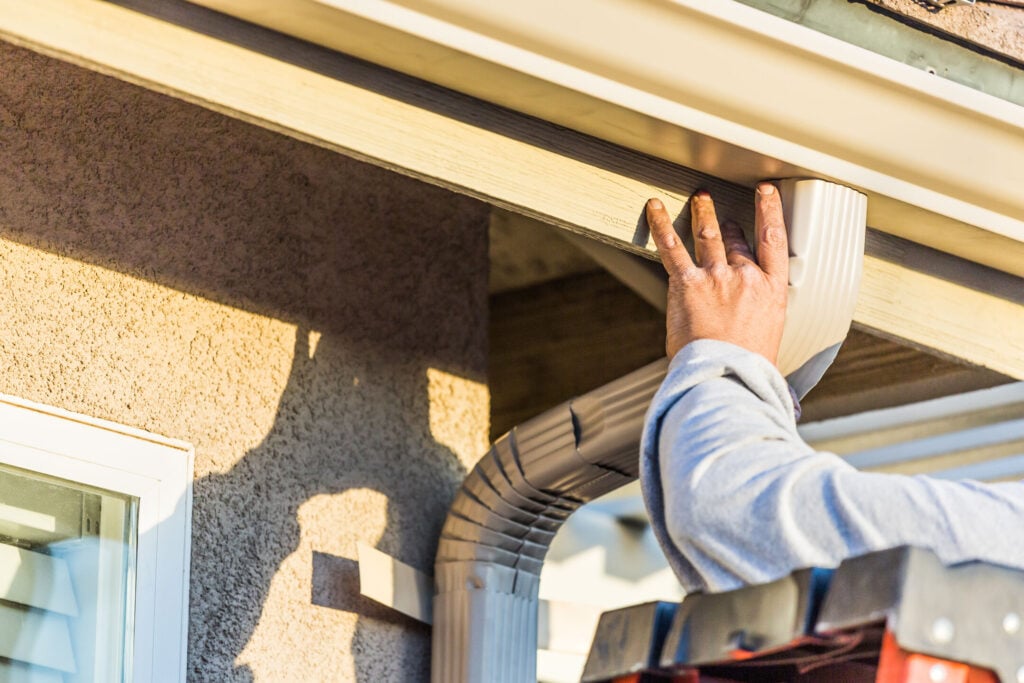
Downspouts that are loose, sagging, or visibly pulling away from the house have failing fasteners (straps, brackets, or clips) or damaged fascia behind them. This can happen gradually over years as thermal expansion loosens fasteners, or quickly after a storm with high winds. Loose downspouts don’t drain properly and often eventually fall off completely, creating both a safety hazard and a repair expense.
- Visual check: Downspouts should be flush against the house with no visible gaps.
- Strap condition: Check that straps are intact and firmly attached to the siding or fascia.
- Fascia damage: Rotted fascia behind the downspout fails to hold the fasteners.
- Wind vulnerability: Loose downspouts are more likely to come down in the next storm.
5. Rust, Corrosion, or Peeling Paint
Older galvanized steel or painted aluminum downspouts eventually show rust spots, corrosion, or peeling paint that signals the metal is deteriorating. Rust usually starts at seams and elbows where water collects, and once it starts, it typically progresses faster than homeowners expect. Modern aluminum downspouts don’t rust the same way steel does, but can still corrode and develop pinhole leaks over time.
- Rust spots: Visible brown or orange rust, especially at seams and elbows.
- Paint failure: Peeling, bubbling, or flaking paint signals moisture working into the metal.
- Pinhole leaks: Small holes that develop in corroded sections.
- Material lifespan: Galvanized steel downspouts typically last 20 to 30 years; aluminum lasts 30 to 50 years.
According to This Old House, maintaining your home’s gutters and downspouts is crucial for protecting your foundation and preventing water damage, and simple repairs like replacing elbows, tightening connections, and installing new straps can address most common downspout problems before they lead to bigger issues.
DIY vs. Hiring a Pro for Downspout Repair
Some downspout repairs are perfectly doable as a weekend DIY project, while others are better left to a pro. Here’s how to think about which category your situation falls into.
- DIY makes sense when: You’re replacing a loose strap on a first-floor downspout, snaking a simple clog from the top, or tightening a loose elbow connection with a few screws.
- Hire a pro when: You’re repairing a two-story or taller downspout, dealing with underground drainage connections, replacing a corroded section, or you’re not comfortable on a ladder.
- DIY tools needed: Aluminum or stainless steel screws, drill, downspout straps, sealant, and a stable ladder.
- Pro-only situations: Any work on tall homes, work over decks or hardscaping, or repairs that reveal fascia damage behind the downspout.
- Safety reality: Ladder falls remain a leading home maintenance injury; the cost of hiring a pro is less than one ER visit.
- Time comparison: DIY downspout repair takes 1 to 3 hours; a pro finishes typically in under an hour.
When Downspout Replacement Makes More Sense Than Repair
For many Pittsburgh homeowners, there comes a point when another round of repairs isn’t the right answer. Here’s when to think about replacing the whole gutter and downspout system instead.
- Multiple failing downspouts at once: When several downspouts are showing problems simultaneously, the whole system is reaching end of life.
- Rust or corrosion on older systems: Repair patches on corroded downspouts rarely last; the next failure is a matter of when, not if.
- Gutters are also aging: If your gutters are 20-plus years old and also showing problems, replacing the whole system often costs less than endless repairs.
- Seam leaks on sectional gutters: Sectional gutters with multiple failing seams usually can’t be patched reliably; seamless replacement delivers much longer service life.
- Underlying fascia or soffit damage: When damage behind the gutters needs to be addressed, replacement is often more cost-effective than repair.
- Planning other exterior work: If you’re already planning roofing, siding, or window work, bundling in new gutters delivers significant cost savings through shared labor and staging.
Cost of Downspout Repair in Pittsburgh
Downspout repair costs vary significantly based on the specific problem and whether you DIY or hire a pro. Here are typical Pittsburgh-area 2026 ranges.
- DIY parts and materials: $20 to $100 for a single downspout repair.
- Strap replacement (pro): $75 to $200 per downspout for simple strap replacement.
- Elbow or section replacement (pro): $150 to $400 per section for mid-complexity repairs.
- Full downspout replacement (pro): $200 to $500 per downspout installed.
- Multiple downspouts: Volume discounts often apply when fixing multiple at once.
- Service minimum: Many contractors have $150 to $250 minimums regardless of actual repair size.
Frequently Asked Questions
How much does downspout repair cost in Pittsburgh?
Simple downspout repairs in Pittsburgh typically run $75 to $200 for strap replacements, $150 to $400 for elbow or section replacement, and $200 to $500 for full downspout replacement. DIY parts cost $20 to $100 for homeowners comfortable handling the work themselves.
Can I repair a downspout myself?
Yes, basic downspout repairs are DIY-friendly for homeowners comfortable on a ladder. Replacing straps, tightening loose elbow connections, snaking out clogs, and sealing small leaks are all realistic weekend projects. Work on two-story or taller homes, underground drain repairs, and significant metal work are better left to professionals.
How long should downspouts last?
Quality aluminum downspouts typically last 30 to 50 years in Pittsburgh’s climate when properly maintained. Older galvanized steel downspouts generally last 20 to 30 years before corrosion requires replacement. Copper downspouts can last 50 to 100 years but cost significantly more upfront.
What causes a downspout to pull away from the house?
Downspouts pull away because the straps or brackets holding them have failed, the fasteners have worked loose over time, or the fascia or siding behind them has rotted. Repair requires addressing both the downspout fasteners and whatever underlying damage caused them to fail.
Should I replace downspouts and gutters at the same time?
Yes, in most cases. Gutters and downspouts age at similar rates and share installation, so replacing them together typically costs less and delivers a more consistent system. Replacing only downspouts while leaving aging gutters often leads to a second project within a few years.
Do downspouts need to be extended away from the house?
Yes, downspouts should discharge water at least 4 to 6 feet away from the foundation to prevent foundation damage and basement leaks. Downspout extensions (flexible or rigid) can be added if the existing discharge is too close, and underground drainage systems can carry water even farther away.
Thinking About New Gutters and Downspouts for Your Pittsburgh Home?
If your downspouts are showing one or two localized problems, repair is often the right call and can extend the life of your current system by years. But if multiple downspouts are failing, the gutters are aging alongside them, or you’re planning other exterior work, it may be time to think about a full gutter and downspout replacement rather than another round of repairs.
McCormick Renovations installs seamless aluminum gutters and downspouts across Pittsburgh and surrounding areas as part of our full-service exterior work, with more than 30 years of family-owned experience. Our team doesn’t handle standalone downspout repairs, but if you’re ready to put ongoing repair cycles behind you with a new gutter system (and especially if you’re bundling it with roofing, siding, or soffit and fascia work), contact McCormick Renovations for a free estimate and honest guidance on whether repair or replacement is the right call for your home.