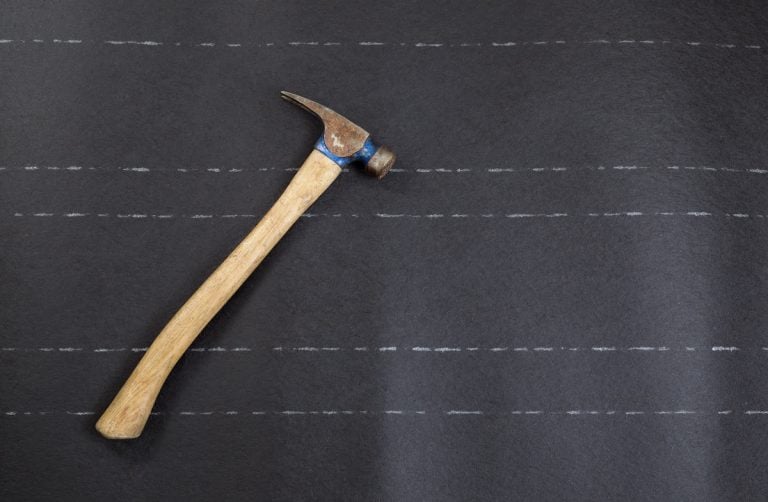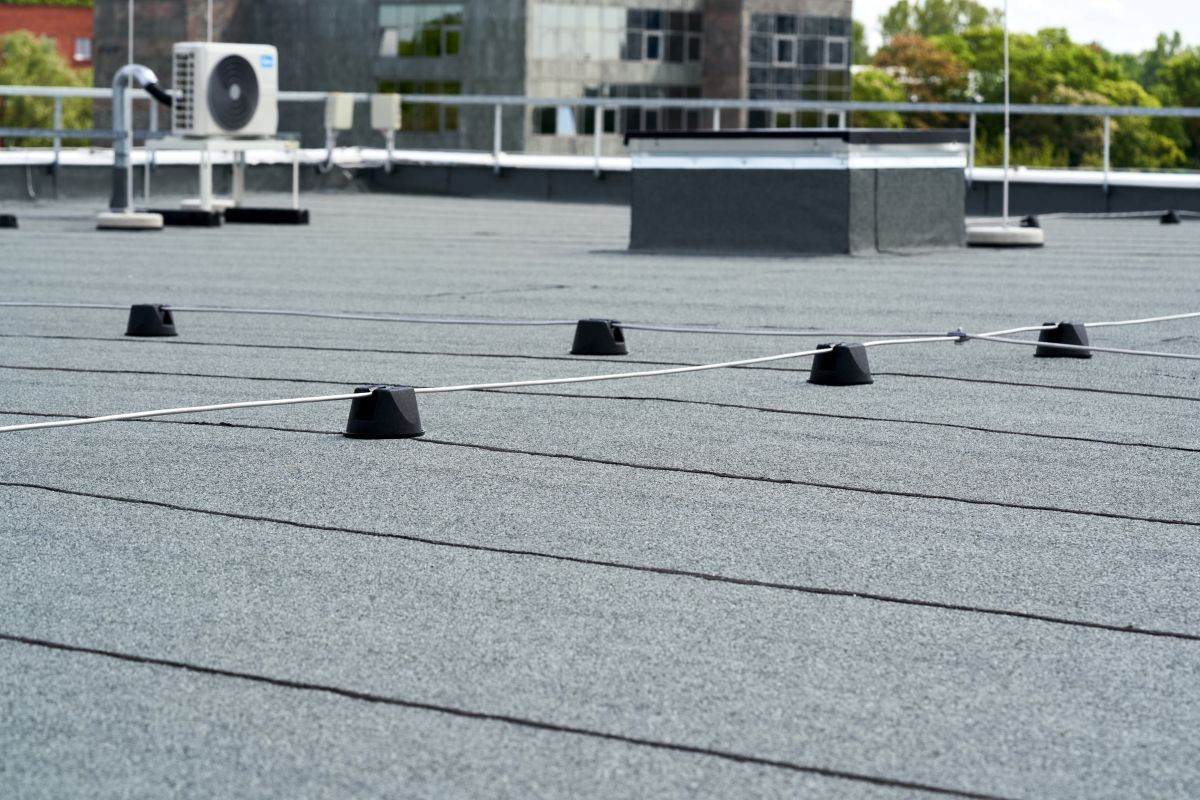
Flat roof types play a critical role in commercial building performance, affecting durability, maintenance costs, and energy efficiency. Choosing the right flat roof system is essential for protecting assets, controlling long term expenses, and ensuring reliable performance in varying weather conditions. Commercial property owners benefit from understanding how different flat roof types compare before making an investment.
Before exploring the details, here are three key considerations:
- System selection impacts lifespan: Different flat roof types offer varying durability and performance.
- Energy efficiency matters: Reflective materials can reduce cooling costs.
- Maintenance requirements vary: Some systems require more ongoing attention than others.
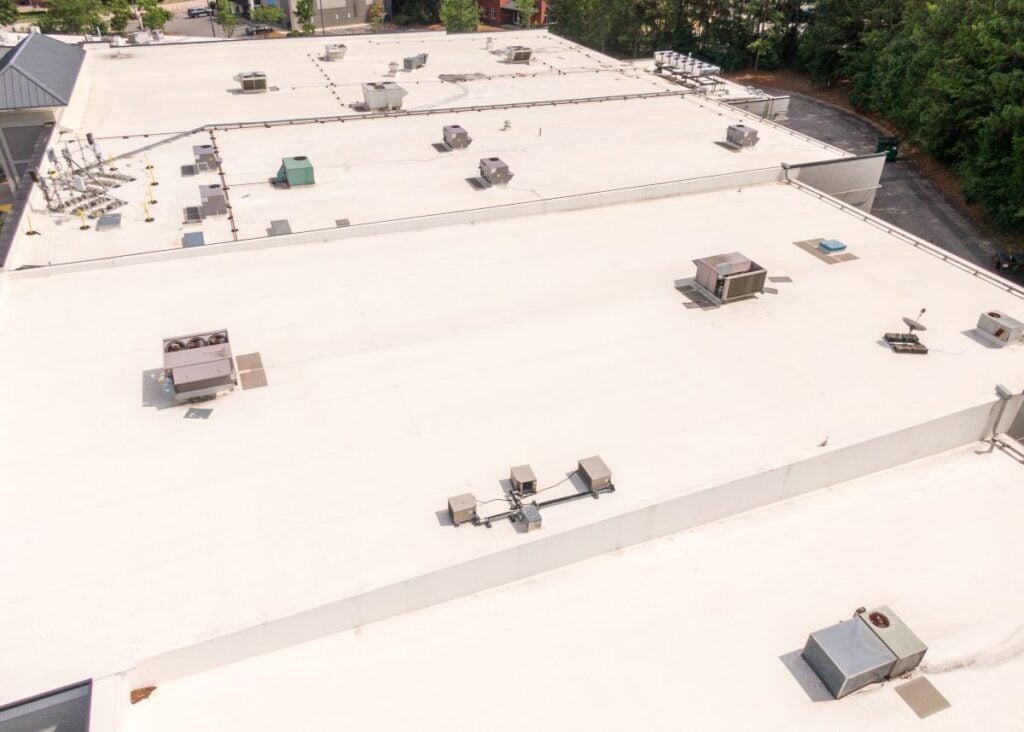
TPO Roofing Systems for Commercial Buildings
Thermoplastic Polyolefin roofing is one of the most widely used flat roof types in commercial applications due to its balance of cost, durability, and energy efficiency. TPO systems consist of a single ply membrane designed to reflect heat and resist environmental damage.
Understanding how TPO performs helps property owners evaluate its suitability for their building.
Performance Benefits of TPO Roofing
TPO roofing is known for its reflective surface, which helps reduce heat absorption and improve energy efficiency. This makes it a popular option for commercial buildings aiming to control cooling costs.
TPO membranes also resist UV exposure and chemical damage, which contributes to long term durability in demanding environments.
- Energy efficiency: Reflective surface reduces heat absorption.
- UV resistance: Protects against sun related degradation.
- Chemical resistance: Performs well in industrial environments.
Considerations for TPO Installation
While TPO offers many benefits, proper installation is critical for long term performance. Seams are heat welded, which requires skilled workmanship to ensure durability and prevent leaks.
Choosing an experienced contractor ensures consistent installation quality.
- Seam integrity: Heat welding requires precision.
- Installation expertise: Proper technique ensures durability.
- Quality variation: Material performance depends on manufacturer.
EPDM Roofing Systems for Longevity
Ethylene Propylene Diene Monomer roofing is another common flat roof type known for flexibility and long term performance. EPDM systems use a rubber membrane that performs well under varying temperature conditions.
This system is often chosen for its proven track record in commercial roofing.
Advantages of EPDM Roofing
EPDM roofing offers strong durability and flexibility, allowing it to handle temperature fluctuations without cracking. This makes it suitable for climates with seasonal changes.
Its simple installation process also contributes to reliability.
- Flexibility: Adapts to temperature changes without damage.
- Long lifespan: Known for extended performance.
- Durability: Resists weather related wear.
Limitations of EPDM Systems
EPDM roofing is not as reflective as TPO, which can impact energy efficiency. It may also require periodic maintenance to ensure seams remain secure.
Understanding these limitations helps property owners make informed decisions.
- Lower reflectivity: Absorbs more heat than reflective systems.
- Seam maintenance: Requires periodic inspection.
- Aesthetic limitations: Typically available in darker colors.
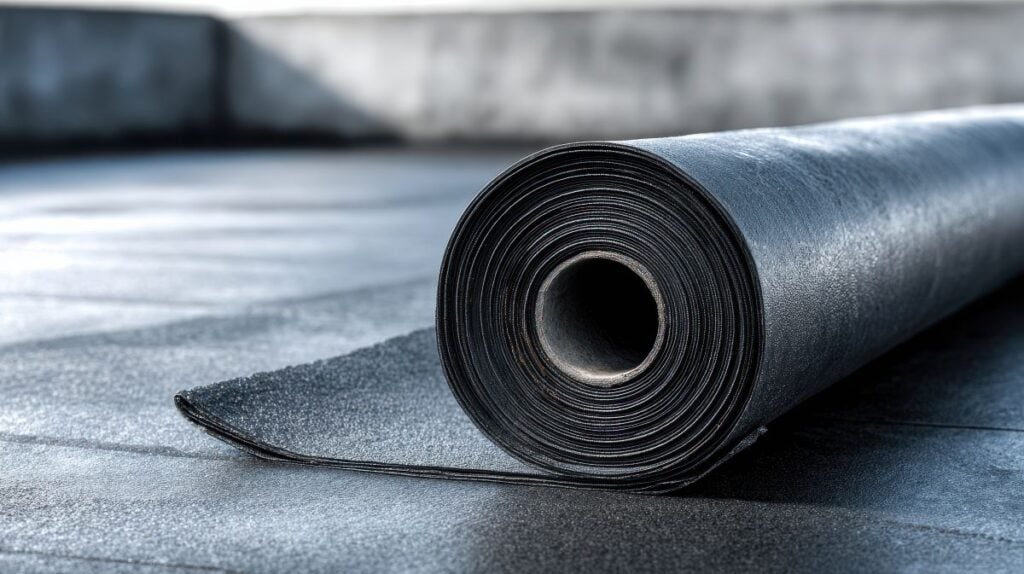
Built-Up Roofing (BUR) Systems
Built-up roofing is one of the oldest flat roof types and consists of multiple layers of asphalt and reinforcing materials. This layered system creates a durable and redundant barrier against water intrusion.
BUR systems are often used on large commercial buildings due to their reliability.
Strengths of Built-Up Roofing
The multi layer design of BUR systems provides strong protection against water and physical damage. Each layer adds durability and redundancy.
This makes BUR a dependable option for buildings requiring robust protection.
- Layered protection: Multiple layers improve durability.
- Water resistance: Redundant design reduces leak risk.
- Proven performance: Long history of use in commercial roofing.
Considerations for BUR Systems
BUR systems can be heavier than other flat roof types, which may require structural evaluation. Installation also takes longer due to the layering process.
These factors should be considered during planning.
- Weight considerations: Heavier system may require support.
- Installation time: Multi layer process increases duration.
- Material odor: Asphalt installation may produce odors.
Modified Bitumen Roofing Systems
Modified bitumen roofing is an evolution of BUR systems that incorporates modern materials for improved flexibility and performance. These systems are typically installed in layers and reinforced for durability.
Modified bitumen offers a balance between traditional and modern roofing solutions.
Benefits of Modified Bitumen
Modified bitumen provides strong waterproofing and flexibility, making it suitable for commercial buildings with moderate traffic or equipment.
Its layered structure enhances durability while remaining more flexible than traditional BUR.
- Waterproofing: Provides reliable moisture protection.
- Flexibility: Adapts to temperature changes.
- Durability: Reinforced layers improve strength.
Installation and Maintenance Factors
Modified bitumen can be installed using various methods, including torch applied or self adhered systems. Each method requires proper technique to ensure performance.
Maintenance is important to extend lifespan.
- Installation options: Multiple application methods available.
- Maintenance needs: Regular inspections recommended.
- Repair capability: Easier to repair compared to some systems.
5 Flat Roof Types Commercial Owners Should Compare
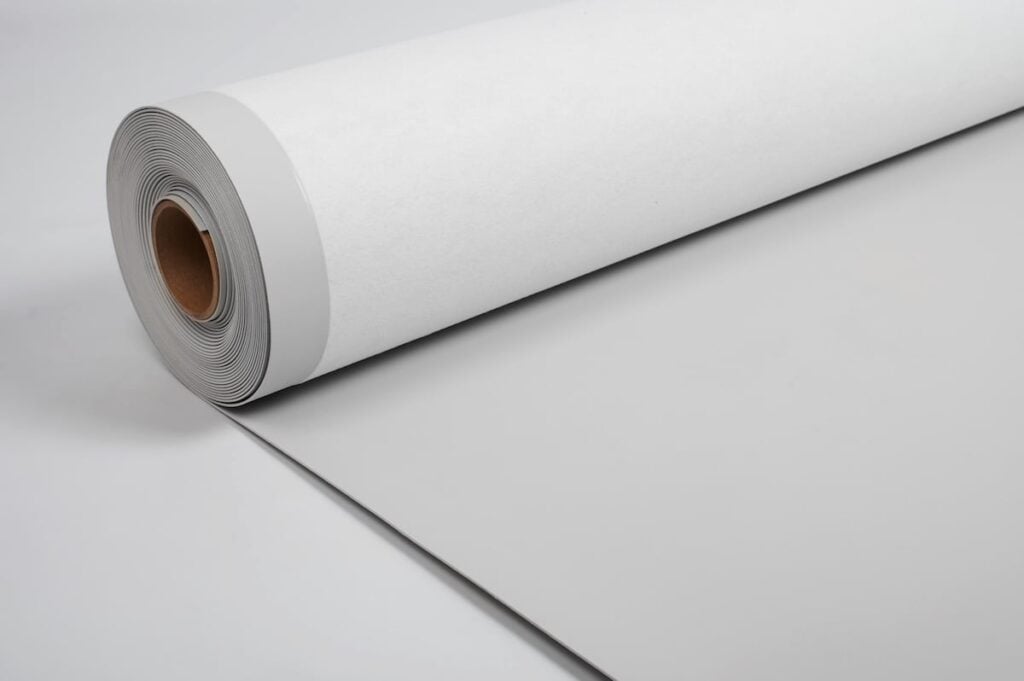
Understanding the key differences between flat roof types helps property owners make informed decisions based on performance, cost, and maintenance.
- TPO roofing: Energy efficient and reflective system for reducing cooling costs.
- EPDM roofing: Flexible rubber membrane with long lifespan.
- Built-up roofing: Multi layer system offering strong durability.
- Modified bitumen: Reinforced system combining flexibility and strength.
- PVC roofing: Durable single ply system with strong chemical resistance.
PVC Roofing Systems for High Performance
PVC roofing is a premium flat roof type known for durability and chemical resistance. It is often used in commercial environments where exposure to chemicals or grease is a concern.
Understanding PVC performance helps property owners evaluate its value.
Advantages of PVC Roofing
PVC roofing offers excellent durability and resistance to chemicals, making it suitable for restaurants and industrial buildings. It also provides strong seam integrity through heat welding.
These features contribute to long term reliability.
- Chemical resistance: Ideal for environments with grease or chemicals.
- Seam strength: Heat welded seams improve durability.
- Longevity: Provides extended lifespan.
Cost and Investment Considerations
PVC roofing typically has a higher upfront cost compared to other flat roof types. However, its durability and performance can provide long term value.
Property owners should weigh initial investment against lifecycle cost.
- Higher upfront cost: Premium material pricing.
- Long term value: Reduced maintenance and repairs.
- Performance reliability: Consistent results over time.
Choosing the Right Flat Roof System for Your Property
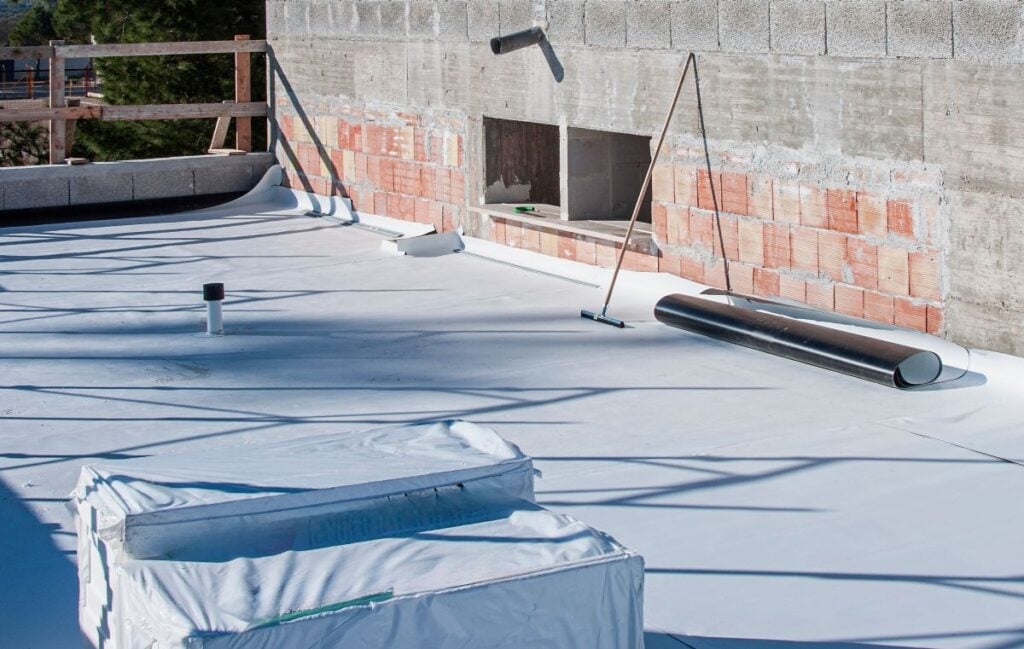
Flat roof types vary significantly in performance, cost, and maintenance requirements, making careful selection essential for commercial property owners. Understanding each system helps ensure the right investment is made for long term durability and efficiency.
McCormick Renovations brings extensive commercial roofing experience, material expertise, and proven installation methods to every project. Property owners benefit from detailed evaluations, accurate recommendations, and consistent workmanship. For expert guidance on flat roof types and selecting the right system for your building, contact McCormick Renovations for professional support and reliable results.