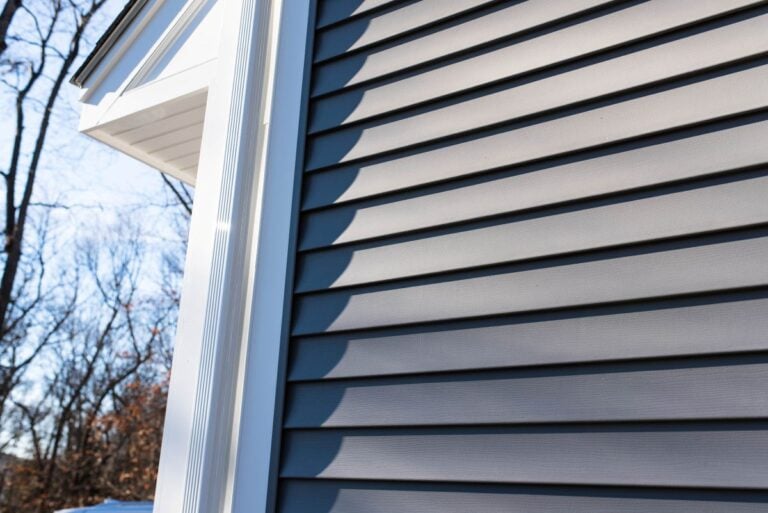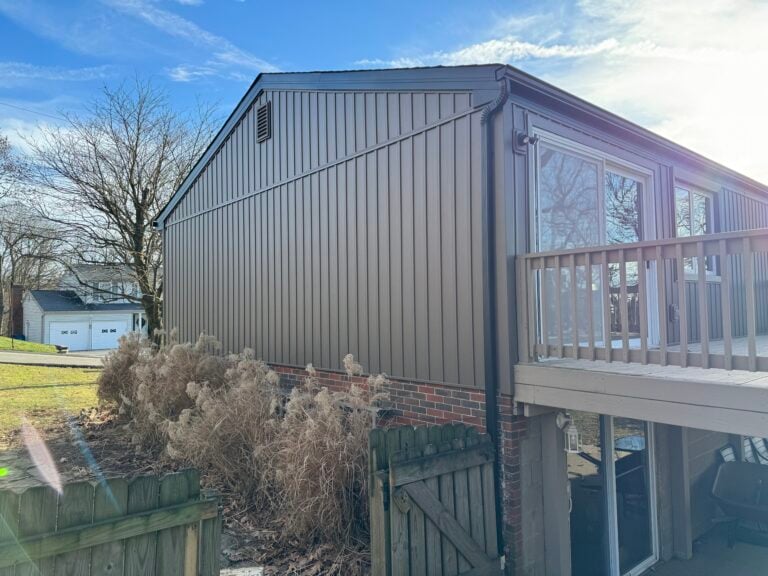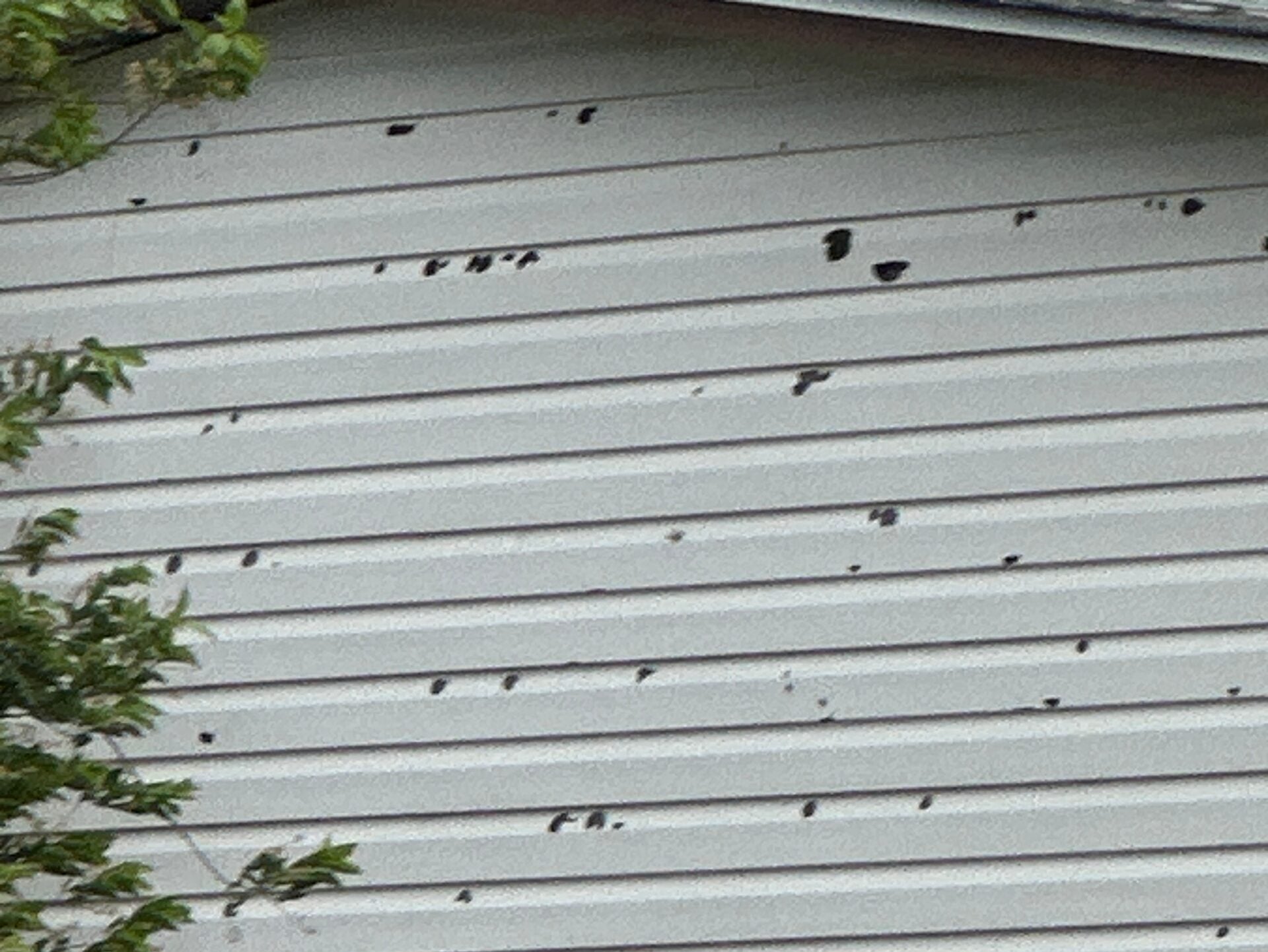
Hail damage siding is one of the most common storm-related issues Pittsburgh homeowners face, and catching it early is the difference between a straightforward insurance claim and a much larger out-of-pocket repair. Even a short hailstorm can leave your siding cracked, dented, or perforated in ways that only become obvious weeks or months later when water starts working its way behind the panels. This guide walks through the eight signs of hail damage every homeowner should know, and the exact steps to take once you spot them.
- Damage identification: The eight visible and hidden signs of hail impact on siding.
- Insurance implications: How to protect your claim and document what matters.
- Action steps: A clear framework for what to do in the first days after the storm.
Why Hail Damage to Siding Deserves Immediate Attention
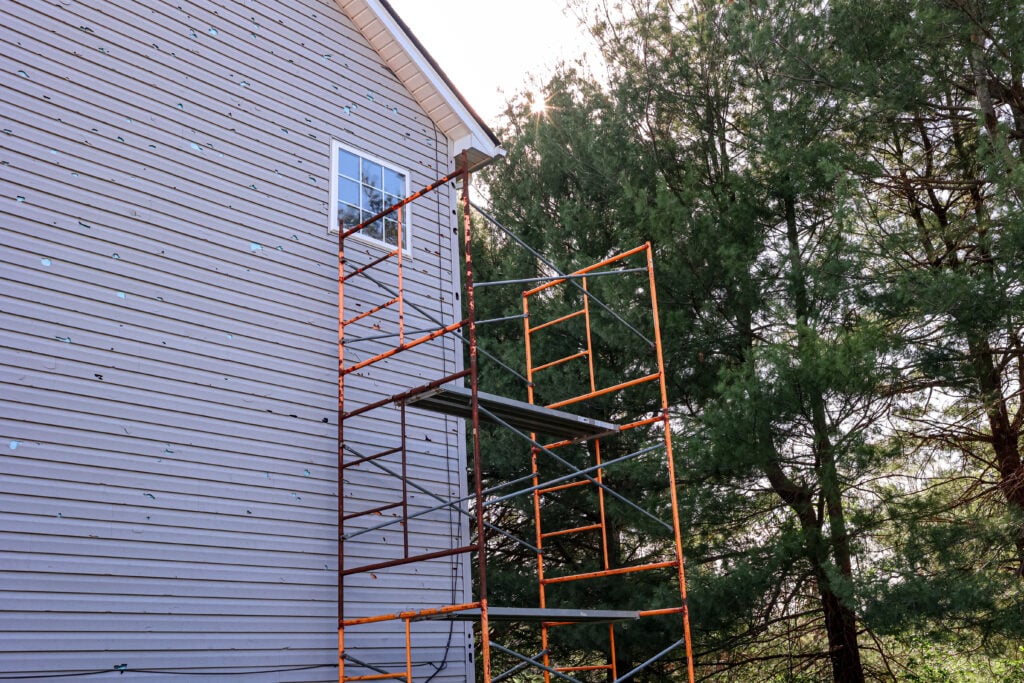
Hail damage to siding is often dismissed as cosmetic, but the reality is more serious. Even minor surface damage compromises the siding system’s ability to shed water and protect the underlying sheathing.
How Hail Impacts Different Siding Materials
Different siding materials respond differently to hail impact, and understanding how yours behaves guides both inspection and repair decisions. Vinyl siding is the most vulnerable because it becomes brittle in cold weather and can crack or shatter on impact, while aluminum dents readily and shows visible marks even from small stones. Fiber cement siding like James Hardie holds up best due to its density and impact resistance, though large hail can still chip the surface coating. Wood siding suffers from both direct impact and secondary moisture damage through cracked paint. Pittsburgh homes and homes across surrounding areas that see spring and summer hailstorms should be inspected across every material for storm-related damage.
- Vinyl siding: Brittle behavior in cold weather leads to cracks and shattering.
- Aluminum siding: Dents readily and shows clear impact marks.
- Fiber cement: Most impact-resistant, though large hail can chip coating.
- Wood siding: Vulnerable to both direct impact and moisture through paint damage.
Long-Term Consequences of Ignoring Hail Damage
Untreated hail damage on siding leads to water intrusion, moisture-driven rot in the sheathing beneath, mold growth in wall cavities, and eventual failure of the siding fasteners. What starts as a small crack or hole can channel enough water into the wall system to cause thousands of dollars in interior damage before the homeowner notices anything unusual. Insurance claim windows also close quickly, typically within six to twelve months of the storm date, so delaying inspection can leave homeowners paying out of pocket for what should have been a covered loss.
- Water intrusion: Cracks and holes channel water into the wall system.
- Hidden damage: Rot and mold develop inside walls before showing outward signs.
- Fastener failure: Compromised panels loosen and eventually detach.
- Claim deadlines: Most insurers require claims within 6 to 12 months of the storm.
8 Signs of Hail Damage on Your Siding
Hail can leave subtle or obvious signs on siding, and knowing what to look for is the first step in protecting your home and your insurance claim. Walk the full perimeter of the home methodically after any significant storm and check each of the following.
1. Cracks or Splits in Siding Panels
Cracks are one of the clearest signs of hail impact, especially on vinyl siding, which becomes brittle in cold weather and fractures on impact. Look for horizontal cracks that run along the bottom edge of panels, vertical splits near the middle, and starburst-pattern cracks radiating from a central impact point. The National Weather Service classifies hail of one inch or larger (quarter-sized) as severe, which is generally the threshold at which vinyl and aluminum siding begin to sustain claimable damage. Cracks may be difficult to see from the ground, so a close-up inspection with a ladder is often needed.
- Common locations: Bottom edges of panels, middle sections, and near seams.
- Vinyl vulnerability: Cold-weather brittleness amplifies impact damage.
- Severe threshold: 1-inch or larger hail meets NWS severe criteria.
- Inspection method: Close-up inspection with a ladder catches cracks the ground view misses.
2. Dents and Impact Marks
Dents are the classic hail signature on aluminum siding and any siding with a metal component, including gutters, downspouts, and window trim. On vinyl siding, impact marks may appear as slightly deformed areas that catch the light differently than surrounding panels. On fiber cement and wood, impact marks look more like divots or bruising in the surface coating. Check horizontally across each wall as the sun angle changes to catch marks that only show under specific lighting.
- Best on aluminum: Metal siding shows classic dented impact patterns.
- Vinyl detection: Look for subtle deformation that catches light differently.
- Fiber cement and wood: Divots and coating disruption reveal impact points.
- Lighting matters: Impact marks show best in raking sunlight.
3. Holes and Punctures
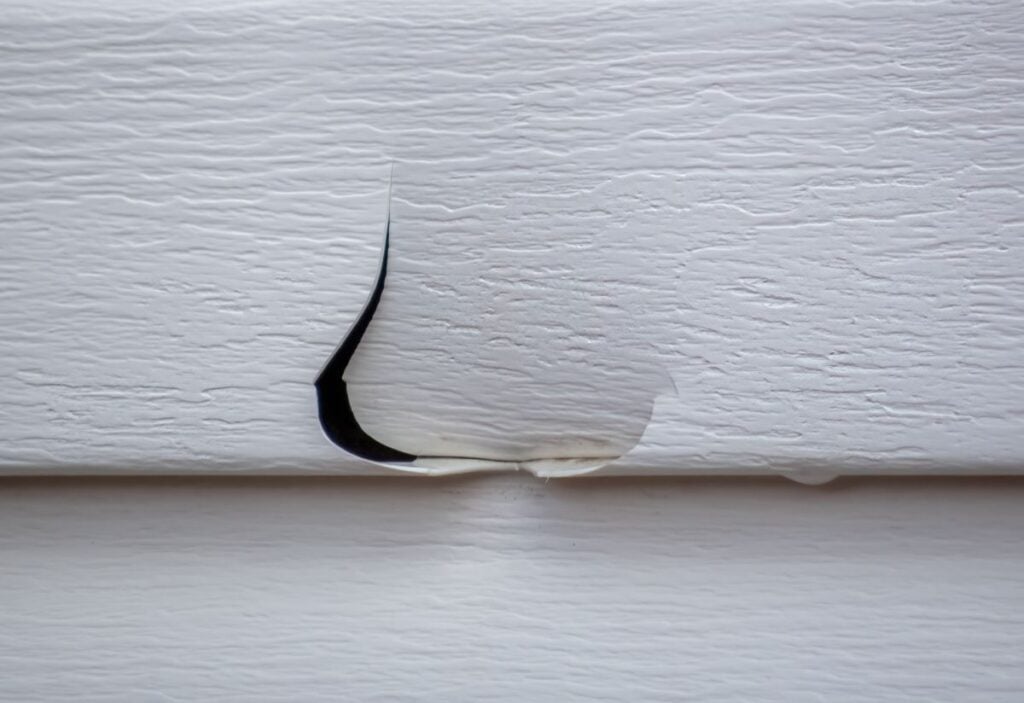
Larger hail (typically over 1.5 inches) can punch clean holes through vinyl and aluminum siding, especially at panel edges and seam intersections where the material is thinnest. These holes may be tiny (pinhole-sized) or dramatically obvious (thumbnail-sized or larger), and any hole compromises the water-shedding integrity of the siding system. Even a small puncture allows wind-driven rain to penetrate the wall system and reach the sheathing behind.
- Hail size threshold: Punctures typically require 1.5-inch or larger stones.
- Weak points: Panel edges and seams break through most easily.
- Pinhole risk: Small punctures still allow water intrusion.
- Interior consequences: Punctures channel water directly to sheathing.
4. Chipped Paint or Damaged Coating
Fiber cement and wood siding rely on paint or factory coating to seal against water intrusion, and hail impact can chip that coating even when the underlying material appears sound. Look for small chips, exposed substrate, and areas where the coating has flaked away from the impact point. Painted vinyl and aluminum siding also show coating damage that eventually leads to corrosion or discoloration if not addressed.
- Coating vulnerability: Even sound siding can lose protective coating.
- Visible signs: Chips, flakes, and exposed underlying material.
- Painted metal: Coating damage eventually leads to corrosion.
- Fiber cement: Coating loss exposes cement to moisture absorption.
5. Loose or Detached Panels
Hail can loosen the fasteners holding siding to the wall, especially when combined with the high winds that often accompany hailstorms. Look for panels that appear to bow outward slightly, gaps where a panel meets the trim, or entire sections that have shifted from their original alignment. Detached or partially detached panels are a serious concern because they allow water and pests direct access to the wall system.
- Wind combination: Hail plus high winds work loose fasteners.
- Visible bowing: Panels may bow outward from the wall.
- Alignment gaps: Sections shift out of their factory alignment.
- Detachment risk: Loose panels allow water and pests into the wall.
6. Broken Seams and Overlaps
Vinyl and aluminum siding panels lock together at horizontal and vertical seams, and hail impact can break those interlocks even when the panel face appears undamaged. Check every seam by pressing gently on adjacent panels to feel for looseness or unusual movement. Broken seams appear as slight gaps, misaligned edges, or one panel sitting higher than another. Seam damage is one of the most commonly missed forms of hail damage.
- Interlock damage: Panels can unlock at seams without visible face damage.
- Detection method: Gently press on panels to feel for loose interlocks.
- Visual signs: Small gaps, misaligned edges, and height differences.
- Common oversight: Seam damage is the most frequently missed damage type.
7. Fading or Discoloration Patches
Hail can strip the color layer from vinyl and painted siding, leaving behind patches that look faded, bleached, or discolored compared to the surrounding material. These marks often appear as small pale spots concentrated on the storm-facing walls (typically west and south-facing in Pittsburgh and surrounding areas), and they are strong evidence of hail impact even when the underlying siding otherwise appears intact.
- Color stripping: Vinyl and painted siding can lose surface pigment on impact.
- Concentration pattern: Most visible on storm-facing walls.
- Directional clues: Typically west and south walls in Pittsburgh storms.
- Evidence value: Fading patches document impact history for insurance claims.
8. Damage to Trim, J-Channel, or Fascia
Siding accessories including J-channels, trim pieces, fascia boards, and corner posts often sustain the same hail damage as the siding itself but are frequently overlooked during inspection. Dents on aluminum trim, cracks on vinyl J-channels, and dings on fascia are all documentable damage that supports a comprehensive insurance claim. Insurance adjusters often only address damage that the homeowner or contractor specifically points out, so complete documentation matters.
- Overlooked components: J-channels, trim, and fascia often show damage too.
- Aluminum trim: Dents on metal trim are easy to spot and document.
- Comprehensive claims: Damage documentation should include every accessory.
- Adjuster behavior: Documented damage gets paid, undocumented damage does not.
What to Do Next After Discovering Hail Damage
The first 72 hours after discovering hail damage set the tone for the entire insurance claim and repair process. Move methodically through the steps below to protect your interests.
Document the Damage Thoroughly
Documentation is the single most important step in the entire process. Photograph every damaged area from multiple angles with a reference object like a coin or ruler for scale, note the date and approximate time of the storm, and pull the NOAA Storm Events Database record for your ZIP code to confirm hail was reported in your area. Video walkthroughs are especially valuable because they capture context and continuity that individual photos miss. Keep all documentation organized in a single folder for easy access when the adjuster arrives.
- Photo standards: Multiple angles per damage point with a size reference.
- Storm records: NOAA Storm Events Database confirms hail in your area.
- Video documentation: Walkthroughs capture context between damaged areas.
- Organization: Single folder for photos, video, storm reports, and inspection notes.
File Your Insurance Claim Promptly
Contact your homeowners insurance company within days of discovering the damage, not weeks. Most policies require claims to be filed within 6 to 12 months of the loss, and adjusters look more favorably on claims filed shortly after the storm date. Have your policy number, storm date, and preliminary damage documentation ready when you call. Ask about the wind and hail deductible specifically, since it may differ from your standard deductible.
- Timing: Contact your insurer within days, not weeks.
- Deadline awareness: Most policies require filing within 6 to 12 months.
- Preparation: Policy number, storm date, and photos ready for the initial call.
- Deductible check: Wind and hail deductibles often differ from all-perils.
Get a Professional Inspection
Reputable siding contractors in Pittsburgh and surrounding areas offer free storm damage inspections, and their assessment carries weight with insurance adjusters when the time comes to walk the property. A professional inspection catches damage the homeowner missed, quantifies the total scope of loss in linear or square footage, and provides a written report that supports the claim. Choose a contractor who will meet with the adjuster on-site rather than one who simply hands you a report and disappears.
- Free inspections: Reputable contractors offer no-cost storm damage assessments.
- Missed damage: Professional inspectors catch what homeowners overlook.
- Written reports: Formal documentation supports the insurance claim.
- Adjuster meetings: The best contractors walk the property with the adjuster.
Frequently Asked Questions
Does Homeowners Insurance Cover Hail Damage to Siding?
Yes, standard homeowners insurance policies typically cover hail damage to siding as part of storm-related loss coverage. Some policies in high-hail regions carry separate wind and hail deductibles that differ from the standard deductible, so review your specific policy language before filing.
What Size Hail Damages Siding?
Hail of one inch or larger (quarter-sized and up) meets the National Weather Service severe criteria and is the general threshold for damaging siding. Older, weathered, or already-worn siding can sustain damage from smaller stones, especially when combined with high winds.
Can I File a Claim if the Damage Looks Minor?
Yes, apparently minor damage often reveals more serious issues once a professional inspects the siding closely. Insurance companies expect homeowners to file claims for any damage caused by covered events, and minor visible damage often accompanies more significant hidden damage in the wall system.
How Long Do I Have to File a Hail Damage Claim?
Most homeowners insurance policies require claims to be filed within 6 to 12 months of the storm date, though this varies by carrier and state. Pennsylvania homeowners should file as soon as damage is discovered to protect the claim and avoid any dispute over timing.
Do I Need to Replace All the Siding If Only One Side Is Damaged?
Whether a full replacement is needed depends on the extent of damage, matching color availability, and your specific insurance policy. Many insurance policies include “matching” provisions that cover full replacement when the damaged section cannot be color-matched to the existing siding.
Can I Repair Hail Damaged Siding Myself?
Minor cosmetic damage on a single panel can sometimes be handled DIY, but any structural damage, multiple panel involvement, or insurance-related repair should go to a professional siding contractor. Improper repairs void warranty coverage and may complicate insurance claims later.
Damaged Siding? Contact McCormick Renovations
Storm-damaged siding does not fix itself, and every day of delay increases the risk of water intrusion, hidden rot, and denied insurance claims. McCormick Renovations specializes in siding replacement and storm damage restoration across Pittsburgh and surrounding areas, working with James Hardie, Mastic, and other leading manufacturers to install siding that protects your home from the next storm and the ones after that. Our team walks the property with you and with your insurance adjuster to document every damage point and quote the complete scope of work. Reach out to McCormick Renovations today for a free estimate and a professional inspection that gets your home back to its pre-storm condition.