When it comes to durable, reliable, and cost-effective commercial roofing solutions, modified bitumen roofing stands out. Known for its strength, flexibility, and ability to withstand the elements, it’s a go-to option for many commercial and residential properties in Pittsburgh and surrounding areas. Whether you have a flat roof in need of reinforcement or you’re exploring options for a new installation, a modified bitumen roof might just be the perfect choice.
This complete guide breaks down everything you need to make an informed decision about modified bitumen roofing:
- What it is and how it works: A breakdown of the material composition, layer structure, and manufacturing process.
- Costs and comparisons: Current pricing data and how modified bitumen stacks up against TPO, EPDM, and PVC alternatives.
- Installation, maintenance, and warning signs: What to expect during installation, ongoing care requirements, and when to call a contractor.
What is Modified Bitumen Roofing?
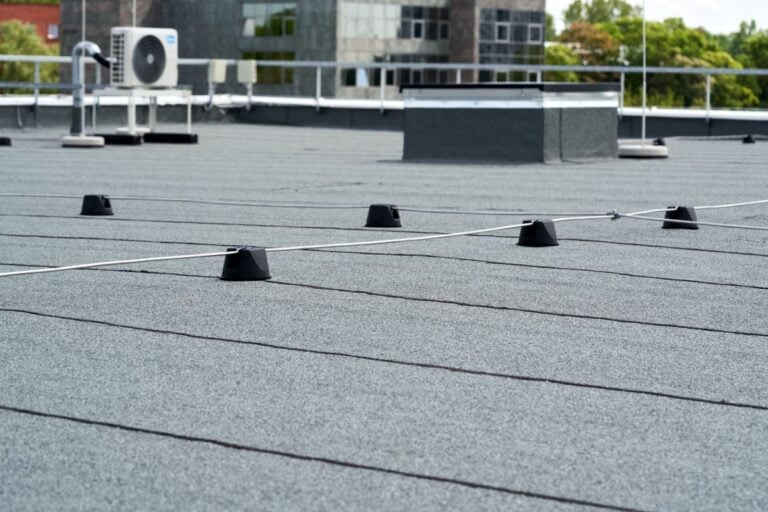
Modified bitumen, often referred to as “mod-bit,” is a type of asphalt-based roofing that has been reinforced with either plastic or rubber modifiers to create a durable, weather-resistant material. Developed in Europe in the 1960s and introduced to the U.S. in the 1970s, it has become a popular solution for flat and low-slope roofing systems due to its impressive versatility and strength.
Modified bitumen roofing typically consists of five layers, which contribute to its durability and weatherproofing properties:
- Insulation Layer: Acts as a base and improves energy efficiency.
- Base Sheets and Plies: Reinforce the roof and improve waterproofing.
- Modified Bitumen Membranes: The heart of the system, made from asphalt reinforced with modifiers and embedded in fabrics like polyester or fiberglass for added flexibility.
- Adhesive Bonding Layers: Ensures the materials stick together securely.
- Granule Surface Coating: Protects against UV damage and adds a finished appearance.
This multilayered composition ensures modified bitumen roofing can handle foot traffic, resist tearing, and perform well in extreme weather.
Why Choose Modified Bitumen Roofing?
When deciding on a roofing material, you want something that offers reliability, efficiency, and ease of maintenance. Modified bitumen roofing checks all of these boxes, which is why it remains one of the most trusted choices for flat and low-slope roof systems in Pittsburgh and surrounding areas.
Durability and Longevity
Modified bitumen is built to last. Its reinforced layers resist cracking, tearing, and other types of damage that typically occur with age or extreme weather exposure. With proper maintenance, a modified bitumen roof can last 20 years or more, and the multi-ply construction gives it strength that single-ply membranes cannot match. The polyester or fiberglass reinforcement layers make the material particularly resistant to punctures from foot traffic, hail, and falling debris.
- Lifespan expectation: 20 years or more with proper maintenance.
- Multi-ply strength: Multiple reinforced layers resist punctures better than single-ply systems.
- Age resistance: Reinforced formulation prevents the cracking common to older asphalt roofs.
- Impact resistance: Withstands hail, foot traffic, and debris impact better than most flat roof materials.
Weather Resistance
Whether it’s hot summers or freezing winters, this roofing material can handle a wide range of temperatures without warping or degrading. It also stands up to heavy rain, hail, and high winds, making it ideal for Pittsburgh’s unpredictable climate. The modified formulation adds flexibility that allows the membrane to expand and contract through freeze-thaw cycles without splitting.
- Temperature range: Performs from below-freezing winters to hot summer sun exposure.
- Wind resistance: Rated for high winds when properly installed and adhered.
- Freeze-thaw stability: Flexes with temperature changes without cracking.
- Water resistance: Sealed seams create a continuous waterproof membrane.
Energy Efficiency
Modified bitumen roofs often come with reflective coatings that reduce heat absorption. This helps regulate indoor temperatures, reducing the strain on your HVAC system and lowering your energy bills. Cool roof coatings applied to the top layer can further boost energy performance, particularly for buildings with significant cooling loads during Pittsburgh summers.
- Reflective coatings: Reduce heat absorption and lower cooling costs.
- Cool roof options: ENERGY STAR-rated coatings available for further efficiency gains.
- Insulation compatibility: Works well with rigid foam insulation systems for full building envelope performance.
- HVAC savings: Reduced cooling loads translate to lower monthly utility bills.
Flexibility
Unlike traditional flat roofing materials that may crack or fail under shifting temperatures, modified bitumen remains flexible. This flexibility makes it highly adaptable for buildings with odd shapes or structures prone to expansion and contraction. The rubber or plastic modifiers built into the asphalt allow the material to flex without splitting or delaminating from the substrate.
- Rubber (SBS) modifiers: Add flexibility for colder climates and freeze-thaw stability.
- Plastic (APP) modifiers: Add heat resistance and toughness for warmer climates.
- Structural adaptability: Handles building movement and settling without failure.
- Detail work: Flexes around penetrations, curbs, and complex roof geometry.
Ease of Repair
Over time, all roofs require maintenance or repairs. Modified bitumen makes this process simple compared to other flat roofing systems. Whether it’s a minor tear, puncture, or patching up a damaged area, repairs are quick and inexpensive because the material can be spot-repaired with compatible patches or additional membrane applied directly over the damaged section.
- Spot repairs: Damaged sections can be repaired without replacing the full roof.
- Compatible materials: Patches use the same modified bitumen membrane for a seamless bond.
- Fast turnaround: Most repairs completed in a single visit.
- Lower repair cost: Repair costs typically much lower than for single-ply systems.
Cost-Effectiveness
When considering its lifespan and durability, modified bitumen is an affordable option in the long run. Installation and material costs are reasonable, making it a popular choice for budget-conscious property owners in Pittsburgh and surrounding areas. The material’s long service life and low repair costs result in favorable total cost of ownership over 20-plus years.
- Reasonable upfront cost: Priced competitively against other commercial flat roof systems.
- Long service life: 20-plus year lifespan spreads cost over many years.
- Low repair costs: Spot repairs preserve most of the roof’s value.
- Total cost of ownership: Favorable when calculated over the full lifespan.
Environmentally Friendly
Many modified bitumen systems are now made from recycled materials, and their energy efficiency reduces overall carbon emissions. It’s a win-win for property owners who care about sustainability. The extended service life also means fewer complete replacements, which reduces landfill waste and manufacturing emissions over the life of the building.
- Recyclable: Old modified bitumen can be recycled into new asphalt products.
- Recycled content: Many manufacturers use recycled asphalt and rubber in their formulations.
- Reduced replacements: Long service life reduces the number of tear-offs over a building’s lifetime.
- Energy savings: Reflective coatings reduce cooling energy use and associated emissions.
3 Pros and Cons of Modified Bitumen Roofing

Like any roofing material, modified bitumen has its strengths and weaknesses that property owners should consider before making a decision. Weighing these tradeoffs against your building’s specific needs helps ensure you pick the right system for the long term.
3 Pros
- Durability: Modified bitumen is highly resistant to weather damage, including extreme heat, cold, and UV radiation.
- Flexibility: Its unique composition allows it to expand and contract without cracking, making it ideal for areas with fluctuating temperatures.
- Energy Efficiency: Many systems include reflective surfaces or coatings that help reduce heat absorption, contributing to lower cooling costs.
3 Cons
- Requires Professional Installation: Improper installation can lead to leaks and other issues, necessitating skilled professionals for best results.
- Limited Aesthetic Options: Compared to other materials, modified bitumen offers fewer design and color options, which might not suit all property owners’ preferences.
- Potential for Damage with Heavy Foot Traffic: Though durable, it may not hold up as well under frequent heavy foot traffic without additional protective layers.
Understanding the pros and cons can help property owners make a well-informed choice that fits their specific needs.
Cost of a Modified Bitumen Roof
The cost of a modified bitumen roof depends on roof size, complexity, installation method, and the number of plies specified. In the Pittsburgh area, homeowners and commercial property owners can expect to pay between $5 and $12 per square foot installed, with two-ply systems at the lower end and three-ply or four-ply premium systems at the higher end.
- Two-ply systems: $5 to $8 per square foot installed for standard commercial applications.
- Three-ply systems: $7 to $10 per square foot installed for enhanced durability.
- Cold-adhesive premium: $9 to $12 per square foot installed for fire-sensitive applications.
- Additional costs: Insulation, tear-off, and rooftop equipment work add $2 to $6 per square foot depending on scope.
A 5,000 square foot commercial modified bitumen roof typically runs $25,000 to $60,000 installed depending on system specification and job complexity.
4 Installation Methods
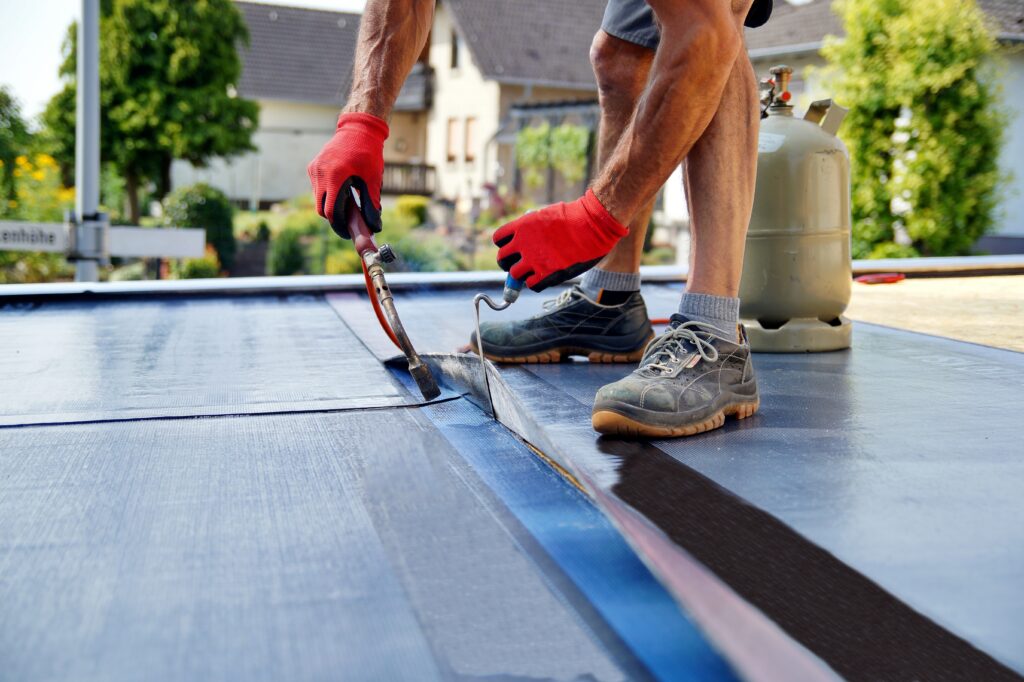
One of the standout characteristics of modified bitumen is its versatile application methods. Depending on your property’s needs and budget, professional roofing contractors may utilize one of the following techniques to install the system.
1. Torch-Applied (Torch-Down Method)
This method involves using a propane torch to heat the bitumen membrane as it is rolled onto the roof. The heat helps bond the material securely. Torch-applied systems are efficient, long-lasting, and ideal for flat or low-slope roofs.
- Best for: Standard flat and low-slope commercial roofs.
- Bond strength: Heat-welded seams create a fully monolithic membrane.
- Speed: Fast application for large roof areas.
- Fire safety: Requires trained crew and fire watch protocols.
2. Cold-Adhesive Application
This method uses specialized adhesives to bond the layers together without the need for heat. It’s a safer option that avoids the risks associated with open flames. Cold-adhesive application is perfect for buildings where fire safety is a priority.
- Best for: Occupied buildings, schools, and fire-sensitive applications.
- No flame required: Eliminates fire watch and torch-related risk.
- Cure time: Requires longer set time compared to torched systems.
- Cost: Slightly higher material cost than torch-applied.
3. Self-Adhering Membranes
These pre-coated layers come with a peel-and-stick backing, simplifying the installation process. It’s a popular choice for smaller installations, as it eliminates the need for additional equipment like a torch.
- Best for: Small roofs, residential flat sections, and detail work.
- No specialized equipment: Peel-and-stick backing simplifies installation.
- Faster small jobs: Quicker setup for repairs and small applications.
- Temperature sensitivity: Adhesion requires warm ambient temperatures during install.
4. Hot-Applied Installation
Hot asphalt or modified bitumen adhesive is applied to the roofing surface and membrane for bonding. This method creates a watertight seal and works well for larger buildings.
- Best for: Large commercial roofs with high durability requirements.
- Superior bond: Molten asphalt creates a completely sealed system.
- Equipment intensive: Requires a hot asphalt kettle on-site.
- Weather dependent: Requires dry weather during application.
Regardless of the method, professional installation is key to ensuring the roof performs at its best. At McCormick Renovations, our experienced team ensures every job is completed with precision and care.
Modified Bitumen vs. Other Flat Roofing Options
Modified bitumen is one of several popular flat roofing systems, and each has strengths and weaknesses. Understanding how mod-bit compares to TPO, EPDM, and PVC helps property owners in Pittsburgh and surrounding areas choose the right system for their specific building.
- vs. TPO (Thermoplastic Polyolefin): TPO offers better UV reflectance and lower material cost per square foot, but modified bitumen provides superior puncture resistance and easier repairs. TPO is a single-ply system; mod-bit is multi-ply.
- vs. EPDM (Rubber Roofing): EPDM offers excellent flexibility and long service life (25 to 30 years), but modified bitumen provides better puncture resistance and simpler seam construction. EPDM is typically less expensive per square foot.
- vs. PVC (Polyvinyl Chloride): PVC provides excellent chemical resistance and heat-welded seams for restaurants and chemical exposure, but at a significantly higher price point than modified bitumen. Mod-bit is more cost-effective for standard applications.
- vs. Built-Up Roof (BUR): Traditional built-up roofs use multiple layers of asphalt and felt but lack the flexibility of modified bitumen. Mod-bit is essentially the modernized version of BUR with better performance and easier installation.
Maintenance Tips for Modified Bitumen Roofs
Just like any roofing material, modified bitumen requires regular maintenance to maximize its lifespan. Following a consistent maintenance schedule protects your investment and prevents small issues from becoming expensive repairs.
- Schedule Regular Inspections: Inspect your roof at least twice a year, ideally in spring and fall. Check for signs of wear, such as cracks, blisters, or pooling water.
- Clean Debris: Keep the roof clear of leaves, branches, and other debris that could block drainage or cause damage.
- Repair Damage Promptly: If you notice any rips, tears, or punctures, have them repaired right away to prevent leaks or further damage.
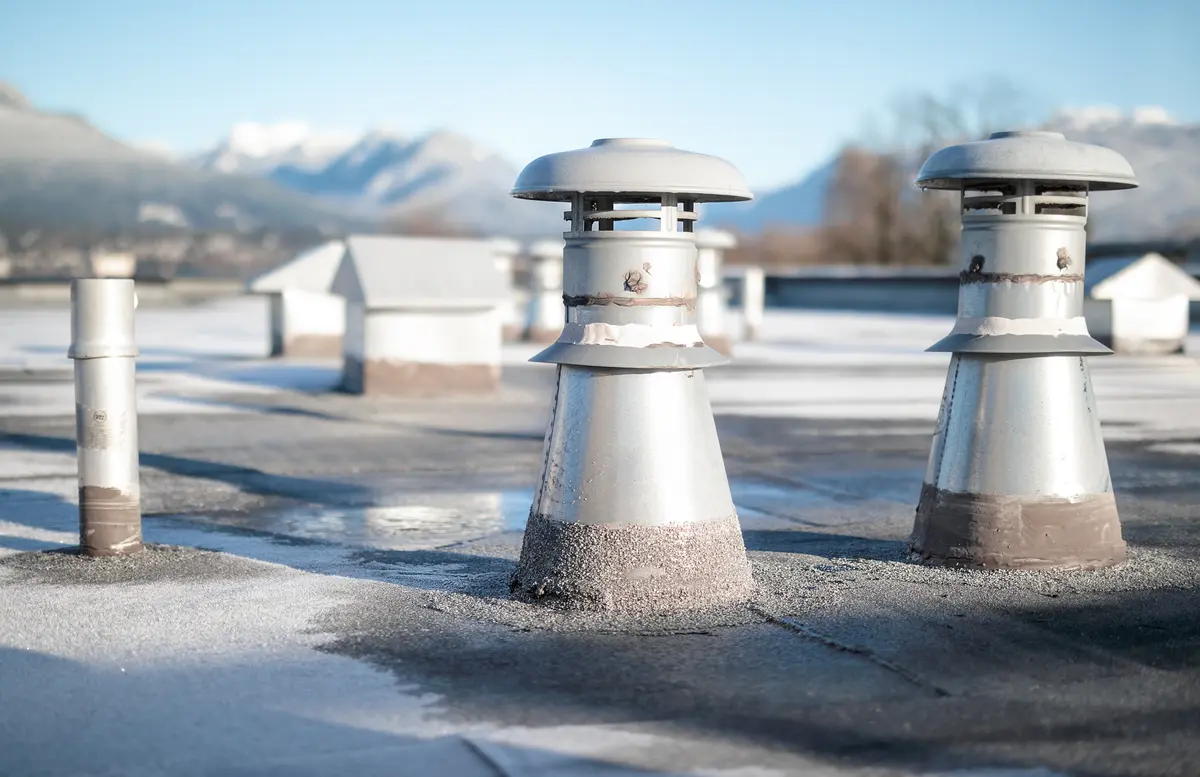
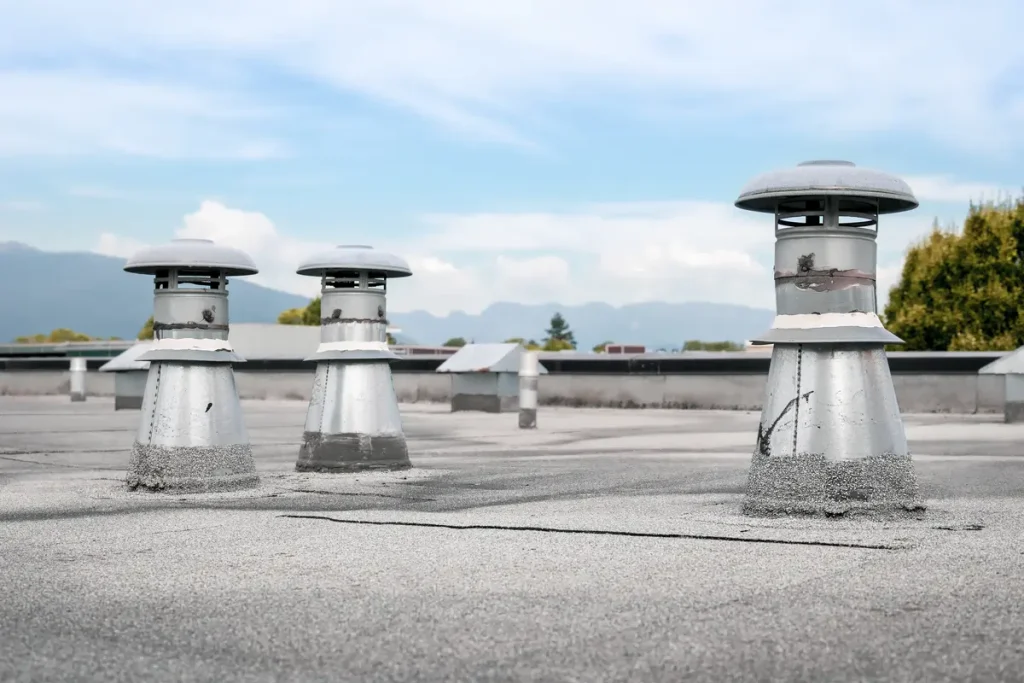
- Check Flashings: Ensure that the flashings around vents, skylights, and edges remain secure and watertight.
- Apply Protective Coatings: Consider adding a reflective coating every few years to maintain energy efficiency and protect against UV damage.
- Work with Professionals: Always rely on experienced professionals for inspections, maintenance, or repairs to avoid costly issues.
Regular upkeep not only extends the life of your roof but also helps prevent expensive repairs down the line.
Signs Your Modified Bitumen Roof Needs Attention
Even a well-installed modified bitumen roof will show wear over time. Recognizing these warning signs early lets you address problems before they turn into leaks, interior damage, or full-system failures.
- Bubbling or Blistering: Air or moisture trapped between layers creates visible bubbles that weaken the membrane and require repair.
- Cracking or Alligatoring: A pattern that resembles alligator skin signals UV degradation of the top layer and the need for a fresh coating or partial replacement.
- Pooling Water: Standing water more than 48 hours after rain indicates drainage problems that will shorten the roof’s service life.
- Seam Separation: Lifted or open seams allow water infiltration and should be re-sealed immediately.
- Granule Loss: Bare spots on the granule coating expose the asphalt below to UV damage and accelerate aging.
- Interior Leaks or Stains: Any water stain on the ceiling below the roof requires immediate professional inspection.
Is Modified Bitumen Roofing Right for Your Property?
If you’re considering modified bitumen roofing, it’s worth evaluating your property’s specific needs. Modified bitumen shines in certain applications, and understanding where it performs best helps you make the right decision.
- Flat or Low-Slope Roofs: It’s an excellent choice for buildings with flat or slightly sloped roofs, such as commercial facilities or residential garages.
- High-Traffic Rooftops: Modified bitumen can withstand foot traffic for rooftop decks, HVAC maintenance, or other activities.
- Variable Climate Conditions: If you’re in an area with temperature extremes or severe weather, modified bitumen’s durability and flexibility make it ideal.
That said, every property has unique requirements. At McCormick Renovations, we offer free consultations to assess your needs and recommend the best solution for your building.
Frequently Asked Questions
How long does a modified bitumen roof last in Pittsburgh?
A properly installed and maintained modified bitumen roof typically lasts 20 years or more in Pittsburgh’s climate. Homeowners who follow a regular inspection and maintenance schedule often see service lives approaching 25 to 30 years. Neglected roofs may show significant wear within 12 to 15 years.
Can modified bitumen be installed over an existing roof?
Modified bitumen can sometimes be installed over an existing single-layer roof if the substrate is sound, dry, and structurally capable of supporting the added weight. Pennsylvania code (IRC R907/R908) limits residential roofs to two layers total. A full tear-off is typically recommended for best long-term performance.
Is modified bitumen good for residential homes?
Modified bitumen is well-suited to residential flat or low-slope applications, particularly for garages, additions, porches, and low-slope sections of otherwise sloped roofs. Standard residential steep-slope roofs still typically use asphalt shingles, metal, or similar sloped-roof materials.
How does modified bitumen compare to a traditional asphalt shingle roof?
Modified bitumen is designed for flat and low-slope applications, while asphalt shingles are designed for steep-slope roofs (2/12 pitch and above). The two systems are not interchangeable. Modified bitumen provides superior waterproofing on low-slope applications where shingles would fail.
Are modified bitumen roofs energy efficient?
Modified bitumen can be highly energy efficient when installed with reflective granule coatings or cool roof coatings. ENERGY STAR-rated modified bitumen systems reflect solar heat and can reduce cooling costs by 10 to 20 percent compared to standard black membrane roofs.
Do I need a permit for modified bitumen roof installation in Pittsburgh?
Yes, most municipalities in the Pittsburgh area require a building permit for roof replacement work, including modified bitumen systems. Reputable contractors handle permit filing as part of their scope of work. Permit fees typically run $50 to $300 depending on the municipality and roof scope.
Learn More About Modified Bitumen Roofing Systems
Modified bitumen roofing combines the best of durability, flexibility, and affordability, making it one of the most popular roofing choices for flat and low-slope systems. Whether you’re looking for a robust option for your commercial building or a cost-effective solution for your home in Pittsburgh and surrounding areas, modified bitumen checks all the boxes.
If you’re ready to explore the possibilities or need advice tailored to your property, McCormick Renovations is just a call away. Our team is here to guide you through the process, from selection to installation, ensuring your roof stands the test of time.
Contact us today to schedule your consultation and discover how modified bitumen roofing can benefit your property.