


Your roof, often overlooked but critically important, is your home’s first line of defense against the elements. Yet, when the time comes for a replacement, the financial burden can be daunting.
This is where roof financing comes in, offering a lifeline to homeowners seeking to secure their home’s structural integrity without breaking the bank. In this homeowner’s budgeting guide, we’ll help you understand everything you need to know, including:
- What roof financing entails
- The different types of financing available
- Why financing is a prudent choice
- Current average costs to expect
- How to compare offers and avoid common pitfalls
- Credit score requirements and how insurance fits in
- Signs indicating it’s time for a replacement
What is Roof Financing?
Roof financing refers to the process of obtaining financial assistance to cover the costs associated with roof repairs or replacements. Given the substantial investment required for such projects, many homeowners opt for financing options to manage expenses more effectively. These financing solutions can vary widely, ranging from loans and lines of credit to specialized programs offered by roofing companies or government agencies.
4 Different Types of Roof Financing

When it comes time to select the right type of roof financing for your home, understanding all of your options can be hugely beneficial.
1) Personal Loans:
These are unsecured loans that can be used for various purposes, including roof replacements. They typically have fixed interest rates and repayment terms, providing borrowers with predictable monthly payments.
- Unsecured: No collateral required, though credit score takes a hit if you default.
- Fixed rates: Predictable monthly payments over typical 2 to 7 year terms.
- Fast approval: Most personal loans fund within 1 to 7 business days after approval.
- No home equity required: A strong option for homeowners without significant equity built up.
2) Home Equity Loans:
Leveraging the equity in your home, these loans allow you to borrow a lump sum at a fixed or variable interest rate, using your property as collateral. They often come with longer repayment terms and lower interest rates compared to personal loans.
- Secured by your home: Uses your property as collateral, which enables lower rates.
- Longer terms: Repayment periods typically range from 10 to 30 years.
- Lower interest rates: Often 2 to 5 percent below comparable personal loan rates.
- Tax-deductible interest: May qualify when funds are used for qualified home improvements.
- Equity requirement: Most lenders require at least 15 to 20 percent home equity to qualify.
3) Roofing Company Financing:
Some roofing companies offer their own financing options or partner with third-party lenders to provide specialized financing plans tailored to homeowners’ needs. These may include zero-interest promotions, deferred payment plans, or low-interest loans.
- Common partners: GreenSky, Synchrony, and Foundation Finance handle most contractor-offered financing.
- Promotional periods: Zero-interest promo offers commonly run 6 to 18 months.
- Flexible credit requirements: Some programs approve credit scores as low as 580.
- One-stop application: Apply through the contractor without separate lender visits.
4) Government and State Programs:
Depending on your location and circumstances, you may qualify for state or local programs aimed at assisting homeowners with roof repairs or replacements. Pennsylvania homeowners can explore the Pennsylvania Housing Finance Agency (PHFA) home improvement loans. Note that the federal residential Clean Energy Credit (Section 25D) was eliminated for new installations after December 31, 2025, so solar-integrated roofing systems no longer qualify for that specific federal tax credit for homeowner-owned installations.
- PHFA loans: The Pennsylvania Housing Finance Agency offers home improvement loans for eligible Pennsylvania homeowners.
- Local grants: Some Westmoreland and Allegheny County municipalities offer emergency home repair grants.
- Income verification: Most government programs require income documentation and proof of PA residency.
- Federal solar credit ended: Section 25D residential Clean Energy Credit no longer applies to installations placed in service after December 31, 2025.
Why You Should Get Financing for Your Roof Replacement
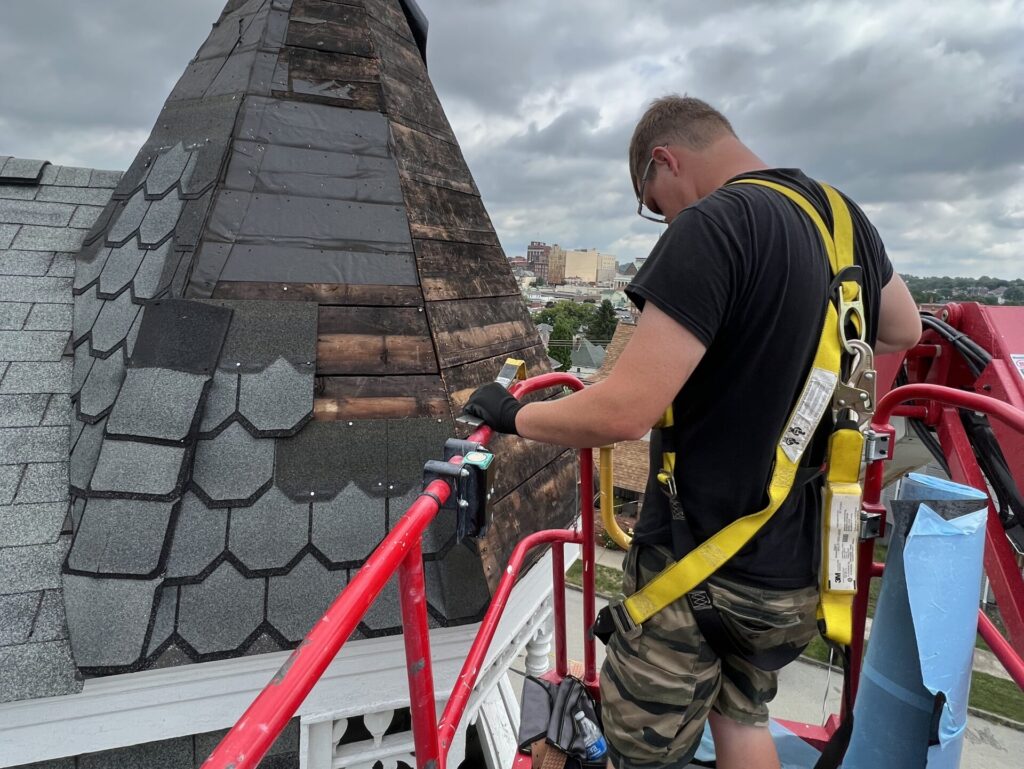
Is doing the research and application process for roof financing really worth it? We think so. Here are a few reasons why:
- Cost Management: Roof replacements can be expensive endeavors, often running into thousands of dollars. Financing allows you to spread out the cost over time, making it more manageable within your budget.
- Immediate Action: Delaying roof repairs or replacements due to financial constraints can exacerbate existing issues, leading to further damage and higher repair costs down the line. Financing enables you to address roofing issues promptly, safeguarding your home’s structural integrity.
- Increased Property Value: A new roof not only enhances your home’s curb appeal but also increases its overall value. Investing in a quality roof replacement can yield significant returns, both in terms of resale value and energy efficiency.
- Peace of Mind: Knowing that your home is protected by a sturdy and reliable roof provides invaluable peace of mind. Financing allows you to address roofing concerns without undue stress or financial strain, ensuring your family’s safety and comfort.
Average Cost of a Roof Replacement
The cost of a roof replacement can vary widely depending on various factors, including the size and slope of your roof, the materials used, labor costs, and any additional features or upgrades. On average, homeowners in the Pittsburgh area can expect to pay between $8,000 and $25,000 for a standard asphalt shingle roof replacement. Basic 3-tab shingles fall at the low end of that range, architectural shingles in the middle, and premium designer shingles at the upper end. This cost can increase significantly for larger or more complex roofing projects, such as those involving specialty materials like metal ($8 to $16 per square foot) or slate ($15 to $30 per square foot).
How to Compare Roof Financing OffersRoof

Not all financing offers are created equal, and the lowest advertised monthly payment often hides the most expensive terms. Compare offers side by side across four specific factors before signing anything.
- Annual Percentage Rate (APR) vs. Interest Rate: APR includes fees and gives you the true annual cost. The interest rate alone can look attractive while the APR reveals hidden costs.
- Deferred Interest vs. True 0%: A true 0% offer charges no interest during the promotional period. Deferred interest offers accrue interest from day one and charge it retroactively if the balance is not paid in full by the promo end date.
- Loan Term Length: A longer term lowers the monthly payment but increases the total cost. Compare total interest paid over the full term, not just the monthly figure.
- Fees and Origination Costs: Ask about application fees, origination fees, prepayment penalties, and late fees in writing before agreeing to any loan.
What Credit Score Do You Need for Roof Financing?
Credit score requirements vary by financing type, and knowing where you stand helps you target the right lenders.
- Personal Loans: Most lenders require a credit score of 640 or higher for approval, with the best rates reserved for scores above 720.
- Home Equity Loans and HELOCs: Typically require a credit score of 620 or higher, along with sufficient home equity (usually at least 15 to 20 percent of the home’s value).
- Roofing Company Financing: Third-party financing partners like GreenSky, Synchrony, and Foundation Finance often approve scores as low as 580, though rates increase significantly for lower scores.
- Government Programs: PHFA and similar programs often have more flexible credit requirements but may require income verification and other qualifications.
Homeowners with credit scores below 580 may still qualify for certain roofing company financing programs, though at higher interest rates. Improving your score by even 20 to 40 points before applying can significantly lower your total borrowing cost.
Homeowners Insurance vs. Roof Financing: Which Should Come First?
Before financing a roof replacement, check whether your homeowners insurance policy might cover part or all of the cost. Insurance coverage depends on the cause of damage, not the age of the roof.
- Covered Situations: Sudden damage from wind, hail, fallen trees, or fire is typically covered under standard homeowners policies, subject to your deductible.
- Not Covered Situations: Age-related wear, gradual deterioration, and neglect are excluded from most policies regardless of severity.
- Filing Deadlines: Most insurance policies require claims to be filed within 6 to 12 months of the storm event, so prompt action matters.
- Deductible Considerations: Wind and hail damage often carries a separate, higher deductible than your standard homeowners deductible. Confirm both figures before assuming coverage.
If your roof damage stems from a specific storm event, always file an insurance claim first. A reputable roofing contractor can walk the property with the adjuster and document damage that supports a stronger claim outcome, potentially covering most of the replacement cost.
Common Roof Financing Mistakes to Avoid
Several mistakes cost homeowners thousands of dollars over the life of their roof financing. Steer clear of these common pitfalls.
- Focusing Only on Monthly Payment: A lower monthly payment often means a longer term and significantly higher total cost. Always calculate total dollars paid over the full loan term.
- Missing the Deferred Interest Window: Deferred interest offers can hit borrowers with thousands in retroactive interest charges if the balance is not paid off by the promotional deadline.
- Skipping the Fine Print on Fees: Origination fees, prepayment penalties, and late fees can substantially increase the true cost of financing. Read the loan agreement in full before signing.
- Not Comparing At Least Three Options: Homeowners who accept the first financing offer often pay 2 to 4 percent more in interest than those who compare multiple lenders.
- Financing the Wrong Contractor’s Work: The best financing terms in the world won’t fix a bad roof installation. Verify PA Home Improvement Contractor registration, insurance, and manufacturer certifications before committing to any contract.
Signs That You Should Replace Your Roof
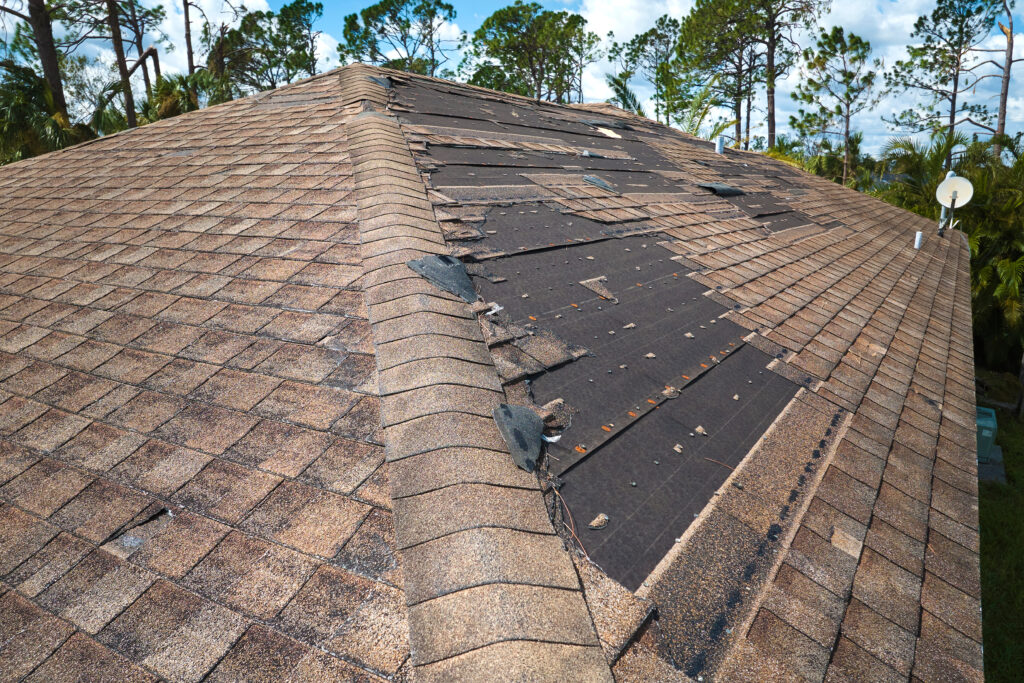
Before you start researching roof financing, it’s a good idea to make sure your roof actually needs to be replaced! Here are some of the signs:
- Age: As a general rule of thumb, if your roof is approaching 20 years old or more, it may be time to consider a replacement. Even if it appears to be in good condition, the structural integrity of older roofs may be compromised, increasing the risk of leaks or other issues.
- Missing or Damaged Shingles: Visible signs of wear and tear, such as missing, cracked, or curling shingles, indicate that your roof is nearing the end of its lifespan. These vulnerabilities can allow water to seep into your home, leading to water damage and mold growth.
- Leaks or Water Stains: Interior water stains or evidence of water leakage in your attic or ceiling are clear indicators of roof damage. Prompt action is essential to prevent further water infiltration and minimize potential structural damage to your home.
- Sagging or Warping: A sagging or uneven roofline suggests underlying structural issues that require immediate attention. These signs may indicate damage to the roof decking or support structure, compromising the integrity of your entire roofing system.
- Energy Efficiency Concerns: An outdated or inefficient roof can contribute to higher energy bills due to poor insulation and ventilation. If you notice significant fluctuations in indoor temperature or escalating heating and cooling costs, it may be time to upgrade to a more energy-efficient roofing solution.
Talk To A Roofing Contractor About Your Options
Investing in a new roof is a significant undertaking, but with the right financing options and careful consideration, it doesn’t have to be financially burdensome. By understanding the different types of roof financing available, comparing offers carefully, recognizing the signs that indicate the need for a replacement, and weighing the benefits of timely action, homeowners can protect their most valuable asset and enjoy peace of mind knowing that their shelter is secure for years to come. Whether it’s addressing existing roofing issues or planning for future upgrades, roof financing offers a viable path to safeguarding your home and ensuring its longevity.
McCormick Renovations is here to help answer any and all of your questions about your roof replacement. Contact us today to learn more about our financing options!


