When it comes to renovating a roof, choosing the right materials is one of the most critical decisions you can make. Not only does your roof protect your home from the elements, but it also plays a big role in your property’s curb appeal and energy efficiency.
To help you make an informed decision, we’ve compiled the ultimate roofing materials list, breaking down their:
- Benefits
- Drawbacks
- Ideal applications
Whether you’re a homeowner restoring a classic residence or a contractor building a modern home, this guide will walk you through the essentials to ensure your roofing project is a success.
Considerations When Choosing Roofing Materials
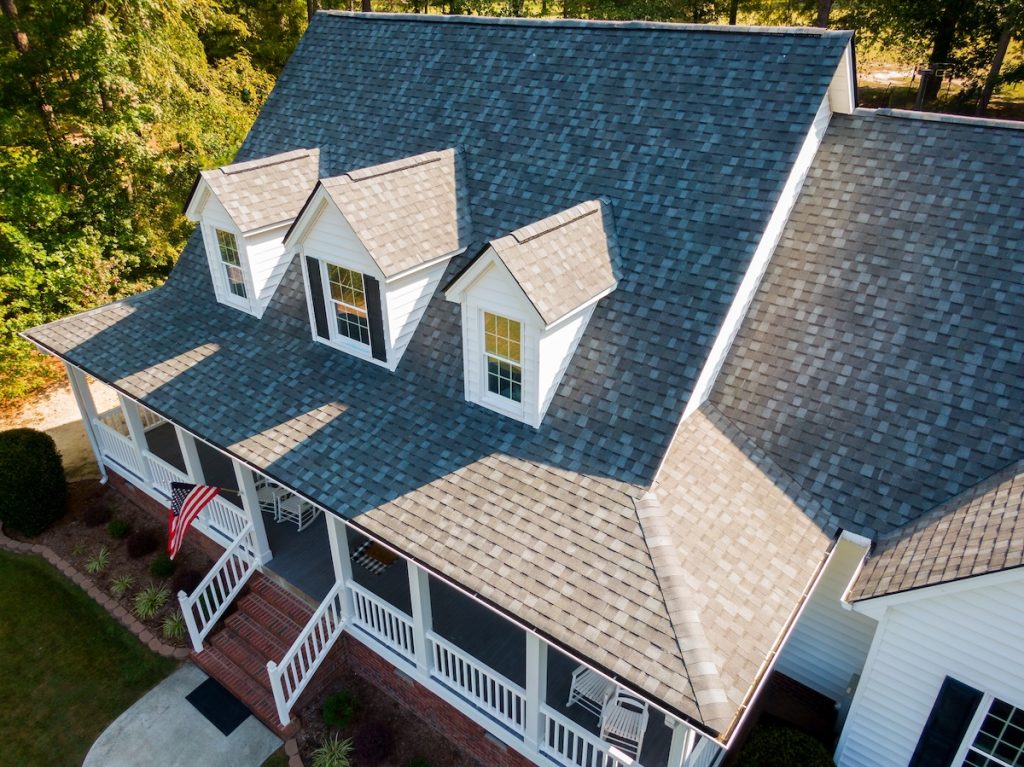
Before we get into the materials list, it’s important to consider the factors that come into play while selecting the ideal roofing material for your project. Here are the key elements to keep in mind:
- Climate: The material needs to withstand your region’s weather patterns, from extreme sunlight to heavy snow or rain.
- Durability: Will it hold up against wear and tear over the years?
- Aesthetics: Does the material complement your home’s design and match your style preferences?
- Energy Efficiency: Some materials are better at reducing heat absorption, which can lower energy bills during warmer seasons.
- Budget: The material cost, along with installation and maintenance expenses, should fit your financial plan.
- Local Building Codes: Some areas have specific regulations regarding roofing materials. Be sure to familiarize yourself with these.
9 Types of Roofing Materials To Choose From
Now that you know what to consider, here’s a breakdown of the roofing materials you can choose from for your next renovation.
1. Asphalt Shingles
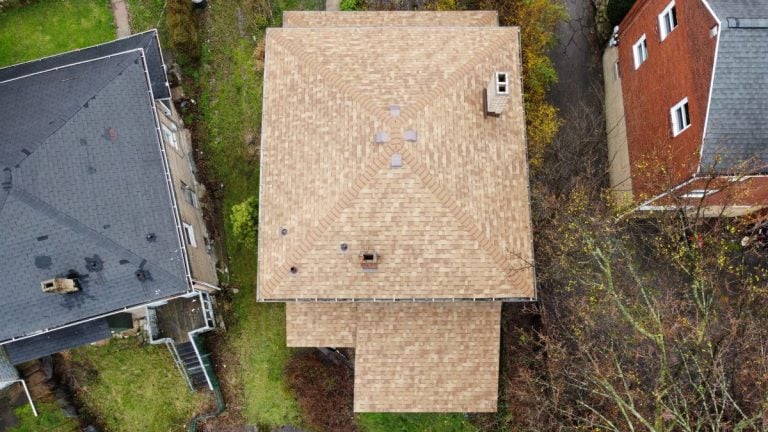
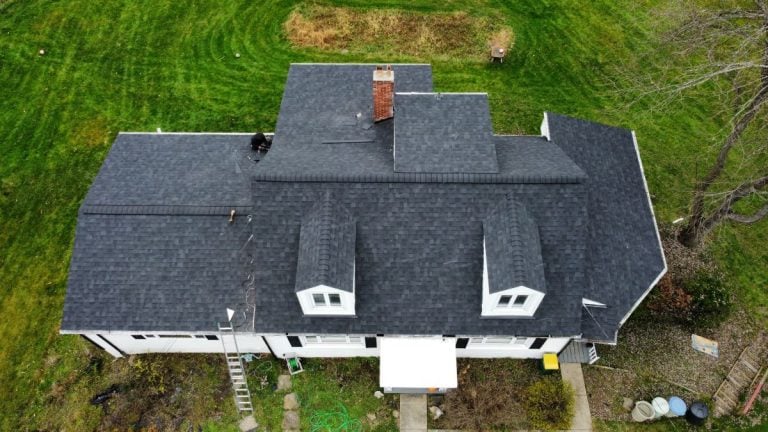
By far the most commonly used roofing material, asphalt shingles are favored for their affordability, durability, and ease of installation. They are made from asphalt reinforced with fiberglass or organic materials, making them lightweight yet sturdy.
✅ Pros:
- Affordability: Budget-friendly, making them a popular choice for homeowners.
- Wide Variety: Available in a range of colors and styles, allowing for customization.
- Ease of Installation: Straightforward installation saves both time and labor costs.
- Low Maintenance: Minimal upkeep required over time.
❌ Cons:
- Shorter lifespan compared to premium materials (usually 20–30 years).
- Not as eco-friendly since they are petroleum-based.
⭐️ Best For:
Traditional homes and cost-conscious homeowners looking for solid performance without breaking the bank.
2. Metal Roofing
Metal roofs have gained increasing popularity for both residential and commercial properties. These roofs can be made from aluminum, steel, copper, or zinc, and they’re available in panels or shingles.
✅ Pros:
- Extreme Durability: Can last 40–70 years, depending on the metal.
- Weather Resistance: Stands up to harsh weather, including heavy snow, rain, and wind.
- Reflectivity: Helps to keep homes cooler by reflecting sunlight.
- Eco-Friendly: Made from recycled materials and can be fully recycled at the end of their life.
❌ Cons:
- Cost: Higher upfront cost compared to asphalt shingles.
- Noise: Can be loud during heavy rain or hail unless properly insulated.
⭐️ Best For:
Modern and eco-conscious homes, or properties in areas prone to severe weather.
3. Clay and Concrete Tiles
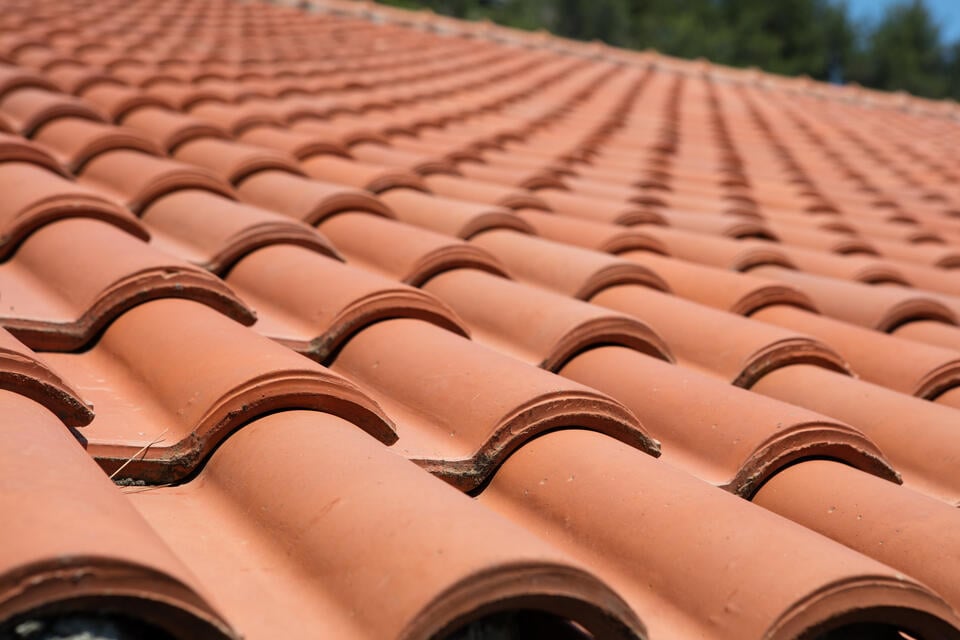
Clay and concrete tiles are among the oldest roofing materials, prized for their beauty and durability. Available in traditional terracotta or a range of colors and textures, they provide a classic Mediterranean or Spanish look.
✅ Pros:
- Longevity: These tiles can last up to 50 years or more.
- Fire Resistance: Non-combustible, making them a great choice for fire-prone areas.
- Energy Efficiency: Their thermal properties help regulate interior temperatures.
- Premium Appearance: Timeless aesthetics that add significant appeal to a property.
❌ Cons:
- Weight: Heavy, which may require structural reinforcement of the roof.
- Expense: Higher material and installation costs.
⭐️ Best For:
Homes in warm climates or those with a Mediterranean, Spanish, or Southwestern design.
4. Wood Shingles and Shakes
Wood shingles and shakes offer natural beauty and a rustic charm that is hard to replicate. While shingles are machine-cut for a uniform look, shakes are hand-split, providing a more rugged appearance.
✅ Pros:
- Aesthetic Appeal: The natural texture and appearance are highly sought after.
- Eco-Friendly: Made from renewable resources and biodegradable.
- Decent Insulation: Wood can help with temperature regulation.
❌ Cons:
- High Maintenance: Requires regular treatments to prevent mold, rot, and insect infestations.
- Fire Hazard: Unless treated with a fire-resistant coating, they can be combustible.
⭐️ Best For:
Rustic or historic homes in areas with mild climates.
5. Slate Roofing
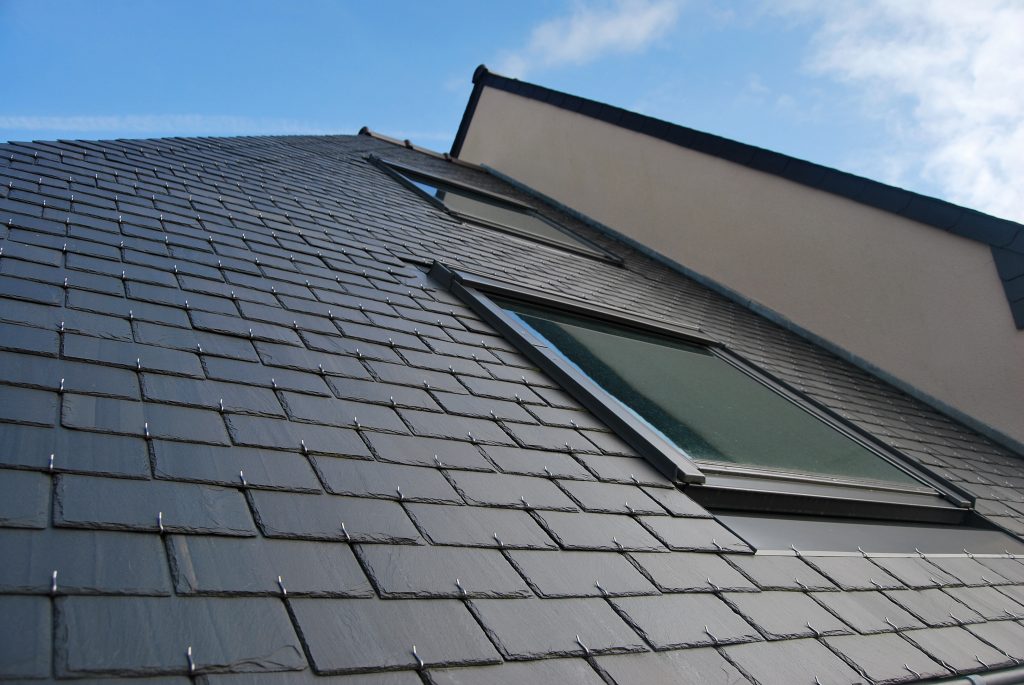
Known for elegance and longevity, slate is a high-end roofing material made from natural stone. While it comes with a premium price tag, its benefits make it worth the investment for many.
✅ Pros:
- Durability: Can last over 100 years when installed and maintained correctly.
- Fire Resistance: Non-combustible and able to withstand extreme temperatures.
- Low Maintenance: Doesn’t require much upkeep over its lifespan.
- Aesthetic Appeal: Natural stone offers a sophisticated, timeless look.
❌ Cons:
- Weight: Extremely heavy, requiring additional roof support.
- High Cost: Both the material and installation come at a premium.
⭐️ Best For:
Luxury and historic homes looking for unparalleled longevity and curb appeal.
6. Synthetic Roofing Materials
Synthetic materials, such as rubber, plastic, or polymer, are engineered to imitate traditional materials like slate, wood, or tile. These modern innovations provide a balance of durability, cost-efficiency, and versatility.
✅ Pros:
- Lightweight: Doesn’t require additional structural reinforcement.
- Cost-Effective: Mimics the look of natural materials at a fraction of the cost.
- Durability: Resistant to cracks and breaks, and typically low maintenance.
❌ Cons:
- Appearance: May not capture the full authenticity of natural materials.
- Environmental Impact: Can be less eco-friendly due to synthetic composition.
⭐️ Best For:
Homeowners who want the look of premium materials without the weight or expense.
7. Green Roofs
For those looking to make an eco-friendly statement, green roofs involve a layer of vegetation planted over a waterproof membrane. These are typically constructed on flat or slightly sloped roofs.
✅ Pros:
- Environmental Benefits: Reduce urban heat, improve air quality, and provide insulation.
- Aesthetic Appeal: Unique and increasingly popular in urban areas.
- Stormwater Management: Absorbs rainfall, reducing runoff.
❌ Cons:
- Maintenance: Requires ongoing care for the vegetation.
- Specialized Installation: Needs structural assessment and professional expertise.
⭐️ Best For:
Eco-conscious homeowners and businesses looking to make a green statement.
8. Solar Roofing
Solar roofing, such as Tesla Solar Roofs, combines energy production and traditional roofing materials. Solar tiles look like conventional shingles or tiles but generate electricity for your home.
✅ Pros:
- Energy Savings: Reduce or eliminate your energy bills by generating electricity.
- Durability: Built to withstand various weather conditions.
- Aesthetics: Blends seamlessly with conventional roof styles.
❌ Cons:
- High Upfront Cost: Initial investment can be steep, even with tax incentives.
- Availability: Can be harder to source and requires specialized installation expertise.
⭐️ Best For:
Homeowners seeking an energy-efficient and modern solution for roofing.
9. Built-Up Roofing (BUR)
Commonly used for flat roofs, BUR systems consist of several layers of tar and gravel. This age-old method is still trusted for its reliability and cost-effectiveness.
✅ Pros:
- Affordability: Cost-effective for flat or low-slope roofs.
- Durable: Can last 20–30 years with proper maintenance.
- UV Protection: Reflects sunlight, keeping the building cool.
❌ Cons:
- Weight: Heavy layers of tar and gravel may require additional support.
- Maintenance: Can be prone to leaks without proper care.
⭐️ Best For:
Commercial or flat-roofed residential properties.
Which Roofing Material is Right for You?
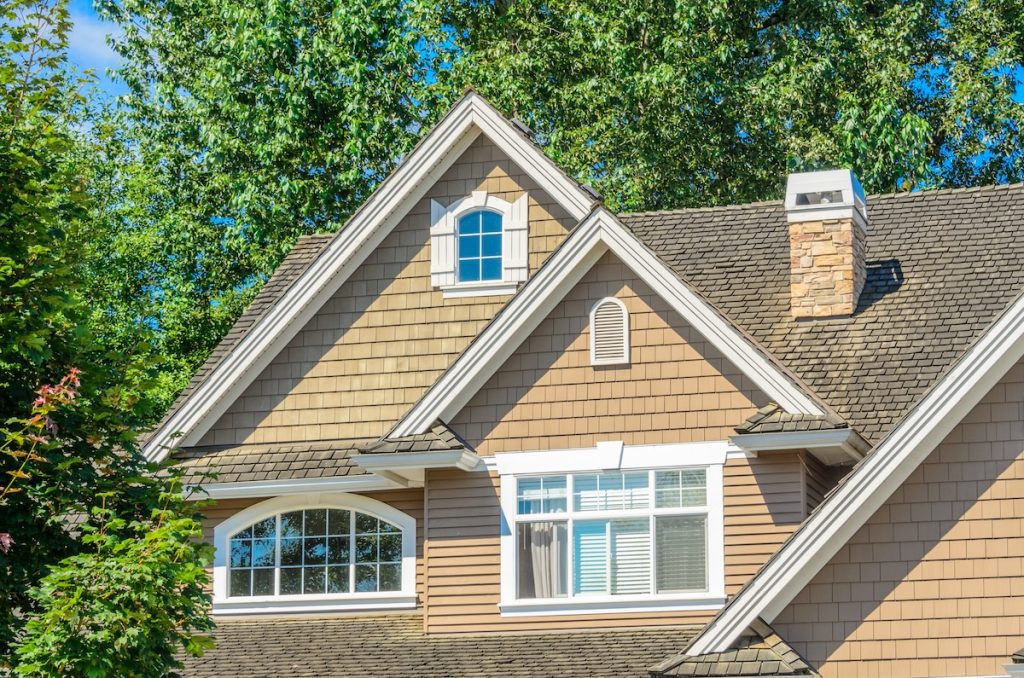
Selecting the right roofing material ultimately depends on your specific needs, budget, and aesthetic preferences. While asphalt shingles are a reliable option for many homeowners, those seeking a long-term investment might consider metal, slate, or solar roofing. Eco-conscious individuals may lean toward green or synthetic options, while flat-roofed properties often benefit from solutions like BUR or modern membrane roofing systems.
At McCormick Renovations, we aim to guide you every step of the way in your roofing project. From selecting the perfect materials to expert installation, we’ve got you covered—literally!
Need help deciding what roofing material best suits your home or commercial property? Contact McCormick Renovations today for a free consultation. Whether you’re replacing an old roof or building from scratch, our experts have the knowledge and experience to ensure your project is a success.