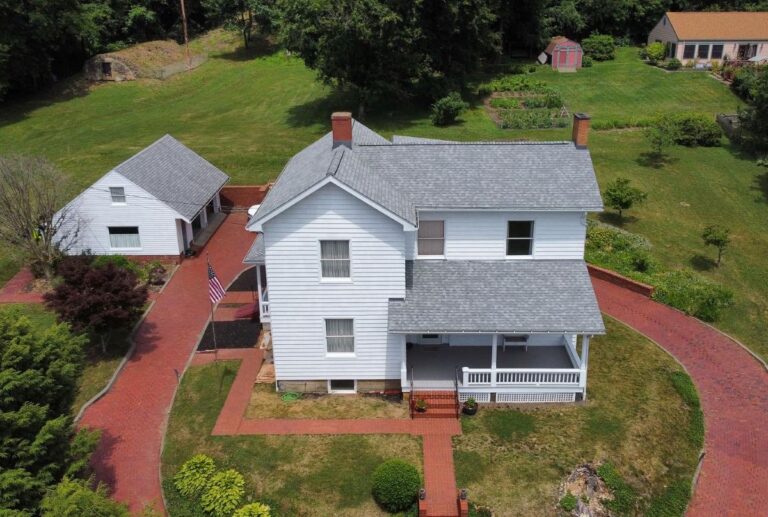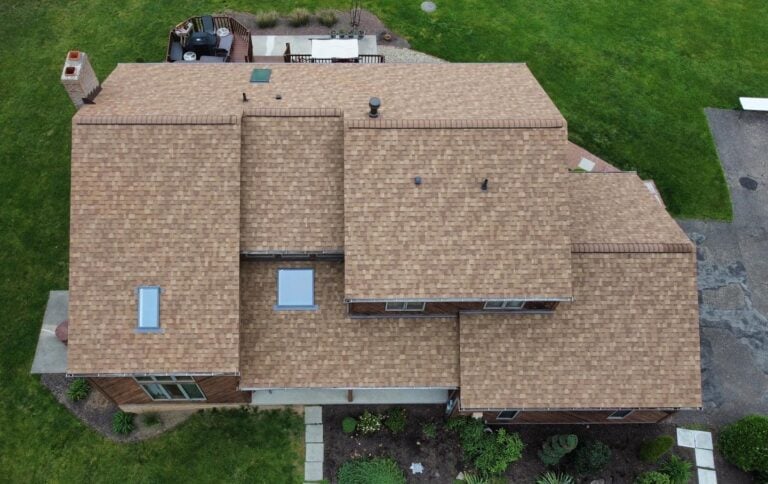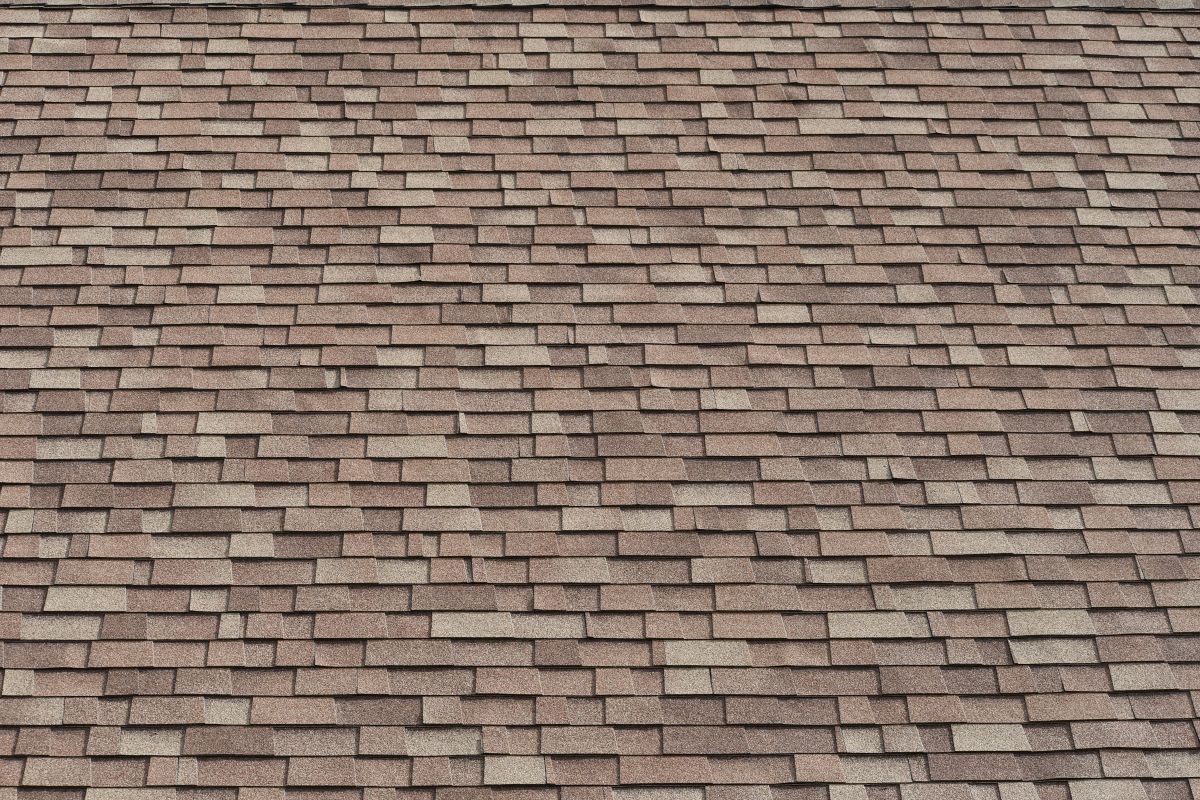
Synthetic roofing has become an increasingly popular option for homeowners looking for durability, design flexibility, and long term performance. Modern synthetic roofing materials are engineered to replicate the appearance of slate, wood, and tile while offering improved resistance to weather and wear. Understanding how synthetic roofing performs helps homeowners make informed decisions before investing in a new roof.
Before exploring the details, here are three important things to know:
- Engineered for durability: Synthetic roofing materials resist impact, moisture, and UV exposure.
- Flexible design options: Replicates premium materials without added weight.
- Lower maintenance needs: Requires less upkeep than many traditional materials.
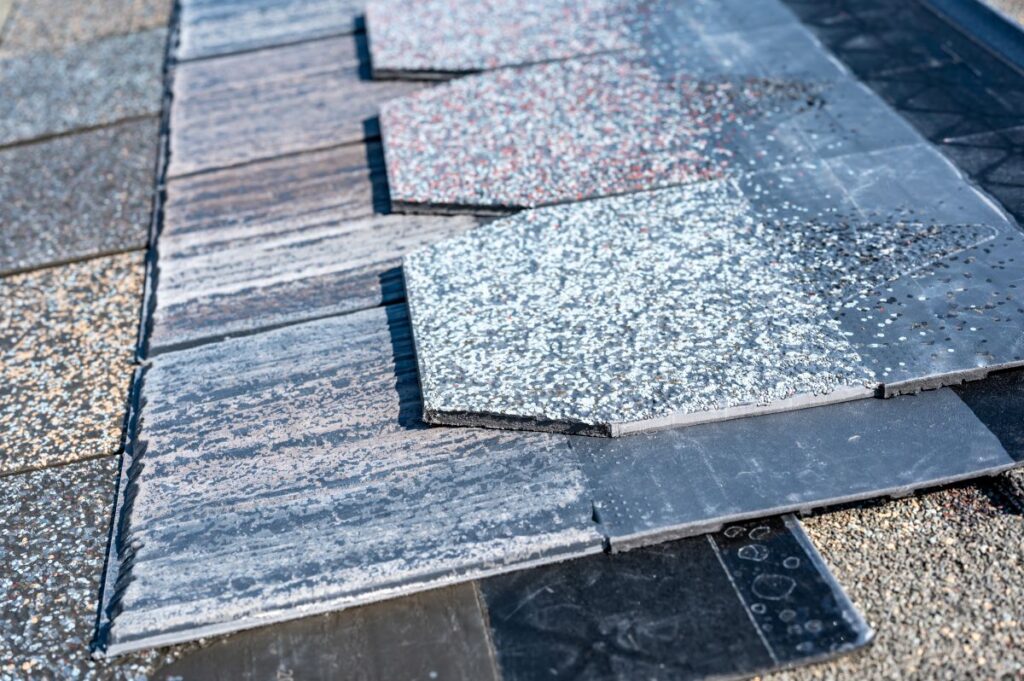
What Is Synthetic Roofing and How It Works
Synthetic roofing refers to manufactured materials created from polymers, rubber, or composite blends designed to mimic traditional roofing products. These materials are engineered to provide consistent performance while reducing common issues associated with natural materials such as cracking or moisture absorption.
Understanding how synthetic roofing is produced and performs over time helps homeowners evaluate its long term value.
How Synthetic Roofing Is Manufactured
Synthetic roofing materials are created using controlled manufacturing processes that combine engineered materials for strength and consistency. These products are molded into shapes that replicate natural materials while improving durability and reducing variability.
This process allows manufacturers to eliminate common weaknesses found in traditional materials. The result is a roofing system that offers predictable performance and improved resistance to environmental stress.
- Engineered composition: Combines polymers and recycled materials for strength.
- Consistent production: Manufactured for uniform size and performance.
- Enhanced durability: Designed to resist cracking and splitting.
How Synthetic Roofing Performs Over Time
Synthetic roofing is designed to withstand exposure to moisture, temperature changes, and sunlight without deteriorating as quickly as natural materials. This makes it a reliable option for long term performance in various climates.
Unlike wood or slate, synthetic materials do not absorb water or become brittle over time. This stability helps maintain structural integrity and reduces the likelihood of damage.
- Moisture resistance: Prevents water absorption and related damage.
- UV stability: Maintains performance under sun exposure.
- Consistent performance: Handles changing weather conditions effectively.
Benefits of Synthetic Roofing for Homeowners
Synthetic roofing offers several practical advantages that make it an attractive alternative to traditional materials. These benefits include improved durability, easier installation, and reduced long term maintenance.
Understanding these advantages helps homeowners determine whether synthetic roofing aligns with their needs.
Lightweight and Easy Installation
Synthetic roofing materials are significantly lighter than slate or tile, which reduces structural stress on the home. This makes installation more efficient and eliminates the need for additional reinforcement in most cases.
Lightweight materials are easier to handle during installation, which can improve project timelines and reduce labor complexity.
- Reduced structural load: Places less stress on roof framing.
- Faster installation: Easier handling improves efficiency.
- Lower labor impact: Simplifies installation process.
Enhanced Weather Resistance
Synthetic roofing is designed to perform well in harsh weather conditions, including heavy rain, wind, and temperature fluctuations. Many products are engineered with impact resistance to protect against debris and hail.
This durability makes synthetic roofing a strong choice for homeowners seeking long term reliability.
- Impact resistance: Protects against hail and debris.
- Wind durability: Designed to stay secure during storms.
- Weather adaptability: Performs well across different climates.
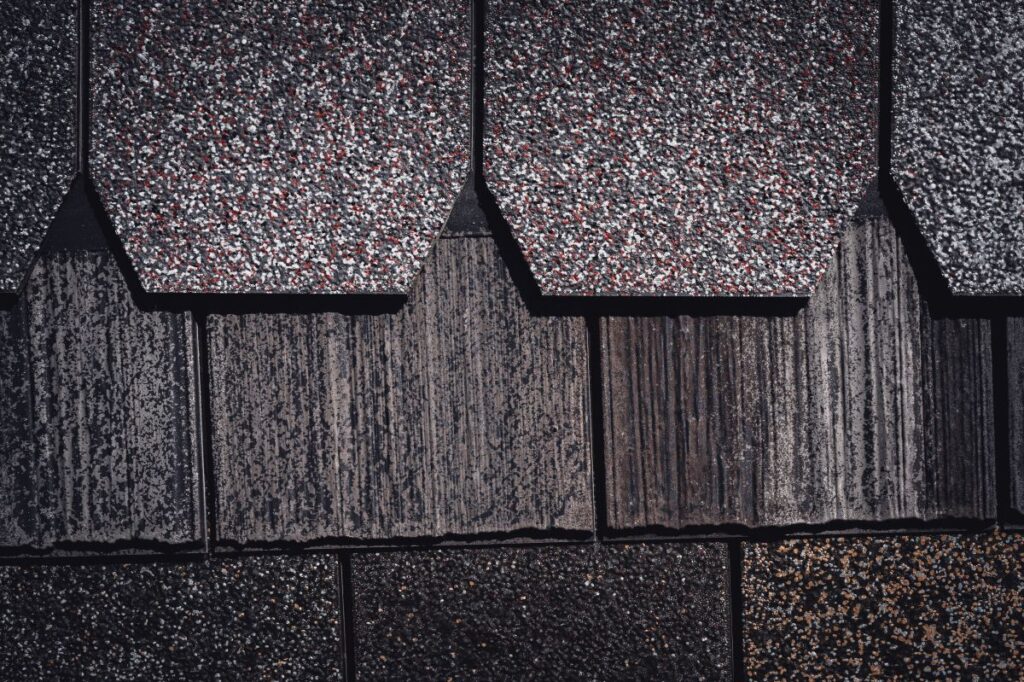
Synthetic Roofing Materials Comparison Table
Comparing synthetic roofing to traditional materials helps homeowners evaluate performance, cost, and maintenance expectations. Viewing these factors side by side provides a clearer understanding of long term value.
| Material Type | Average Lifespan | Cost Range (Per Roof) | Maintenance Level | Key Advantage |
| Synthetic Roofing | 40–50 years | $15,000–$30,000 | Low | Durable with versatile design options |
| Asphalt Shingles | 20–30 years | $9,000–$16,000 | Moderate | Affordable and widely available |
| Metal Roofing | 40–70 years | $18,000–$30,000 | Low | Long lifespan and strong weather resistance |
| Slate Roofing | 75–100+ years | $25,000–$50,000+ | Low | Premium durability and appearance |
| Wood Shingles | 20–40 years | $14,000–$25,000 | High | Natural aesthetic appeal |
5 Synthetic Roofing Style Options for Modern Homes
Synthetic roofing is available in a wide variety of styles that replicate traditional materials while offering improved durability. These options allow homeowners to match their home’s design without the limitations of natural materials.
Each style provides a balance of appearance and performance depending on homeowner preferences.
1. Synthetic Slate Roofing
Synthetic slate roofing is designed to replicate the appearance of natural slate while reducing weight and installation complexity. This option provides a high end look without requiring additional structural reinforcement, making it suitable for more homes.
Synthetic slate offers consistent sizing and color, which creates a uniform finished appearance. It also resists cracking more effectively than natural slate.
- Lightweight design: Reduces structural strain compared to natural slate.
- Consistent appearance: Maintains uniform color and shape.
- Improved durability: Resists cracking and breakage.
2. Synthetic Shake Roofing
Synthetic shake roofing mimics traditional wood shakes while eliminating issues such as moisture absorption and rot. This option provides a natural aesthetic with improved durability and lower maintenance requirements.
Homeowners benefit from a wood look without the need for ongoing treatment or repairs.
- Moisture resistance: Prevents water absorption and rot.
- Reduced maintenance: Requires less upkeep than wood.
- Natural appearance: Replicates wood shake texture.
3. Synthetic Tile Roofing
Synthetic tile roofing is designed to resemble clay or concrete tiles while offering a lighter and more manageable installation process. This option provides a distinctive appearance commonly used in certain architectural styles.
The reduced weight improves installation flexibility and reduces structural requirements.
- Reduced weight: Easier to install than traditional tile.
- Distinctive style: Matches classic tile aesthetics.
- Durable construction: Resists weather damage.
4. Architectural Synthetic Shingles
Architectural synthetic shingles provide a dimensional appearance similar to premium asphalt shingles while offering improved durability. These materials are designed for both performance and visual appeal.
They are often selected for homeowners seeking a modern, layered look.
- Dimensional design: Adds depth and texture.
- Enhanced durability: Performs well under stress.
- Versatile application: Works with many home styles.
5. Custom Color and Design Options
Synthetic roofing materials are available in a wide range of colors and finishes, allowing homeowners to customize their roof’s appearance. This flexibility makes it easier to match exterior elements or achieve a specific design goal.
Manufactured consistency ensures long lasting visual appeal.
- Color variety: Wide range of design options.
- Fade resistance: Maintains appearance over time.
- Design flexibility: Supports custom home aesthetics.
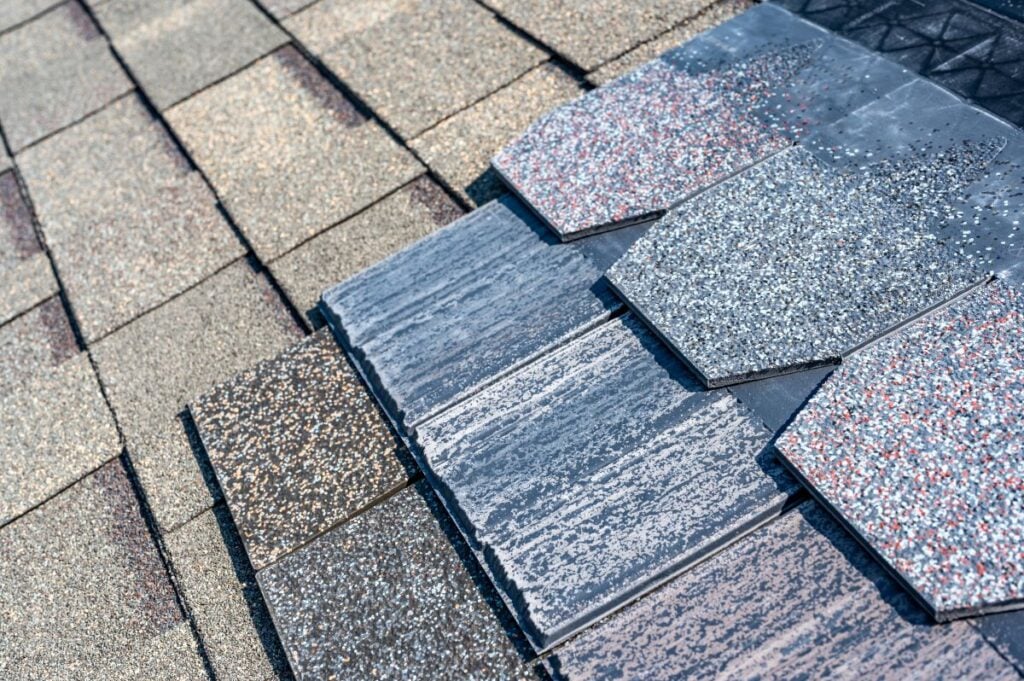
Lifespan and Maintenance Expectations
Synthetic roofing is designed to provide long term performance with minimal maintenance compared to traditional materials. Understanding maintenance expectations helps homeowners protect their investment and extend roof lifespan.
Expected Lifespan of Synthetic Roofing
Synthetic roofing typically lasts between 40 and 50 years depending on material quality and installation. Proper ventilation and installation practices contribute to achieving full lifespan.
This makes synthetic roofing a competitive option compared to other long lasting materials.
- Long lifespan: Designed for decades of performance.
- Consistent durability: Maintains structure over time.
- Reliable performance: Handles environmental stress effectively.
Maintenance Requirements Over Time
Synthetic roofing requires less maintenance than wood or traditional materials, but periodic inspections are still important. Regular care helps identify potential issues early and maintain performance.
Routine maintenance supports long term durability.
- Annual inspections: Helps detect early signs of wear.
- Debris removal: Prevents moisture buildup.
- Minor repairs: Addresses issues before they expand.
Choosing Synthetic Roofing for Long Term Value
Synthetic roofing offers a combination of durability, design flexibility, and reduced maintenance that makes it a strong option for many homeowners. Understanding materials, styles, and lifespan helps ensure the right decision is made for long term performance.
McCormick Renovations brings extensive experience, material expertise, and proven installation methods to every roofing project. Homeowners receive detailed evaluations, accurate recommendations, and consistent workmanship. For expert guidance on roofing and selecting the right system for your home, contact McCormick Renovations to get started with a professional assessment.