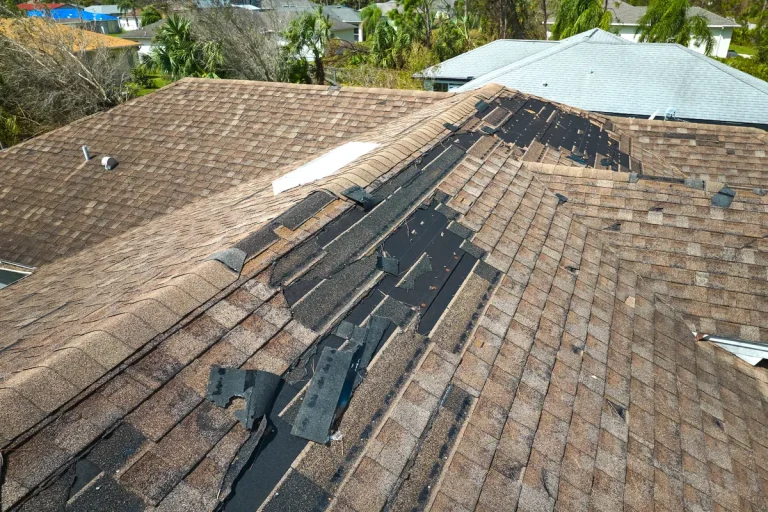
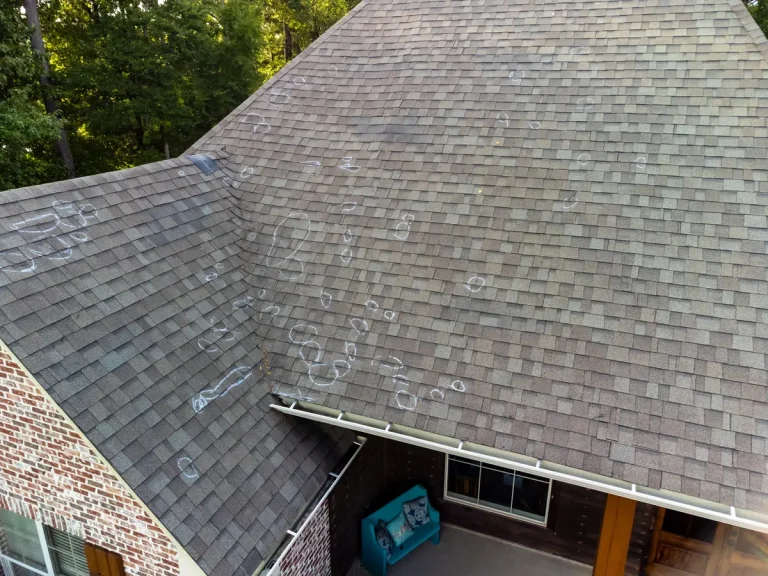
Knowing what does hail damage look like on a roof is one of the most valuable homeowner skills in the Pittsburgh area, where summer thunderstorms occasionally produce hail large enough to compromise shingles, flashing, and gutters even when the storm seems otherwise unremarkable. Hail damage often goes unnoticed from the ground, which is why thousands of homeowners every year discover damage months later, after insurance claim windows have closed and small issues have grown into expensive leaks. This guide walks Pittsburgh homeowners through the seven key signs of hail damage, how it looks on different roofing materials, and what to do when you spot it.
- 7 key warning signs: From visible shingle bruises to subtle damage you can feel but not see.
- Material-specific indicators: How hail damage shows up differently on asphalt, metal, and other roofs.
- Insurance and next steps: How to document damage and when to call a professional.
Why Hail Damage Matters More Than Homeowners Realize
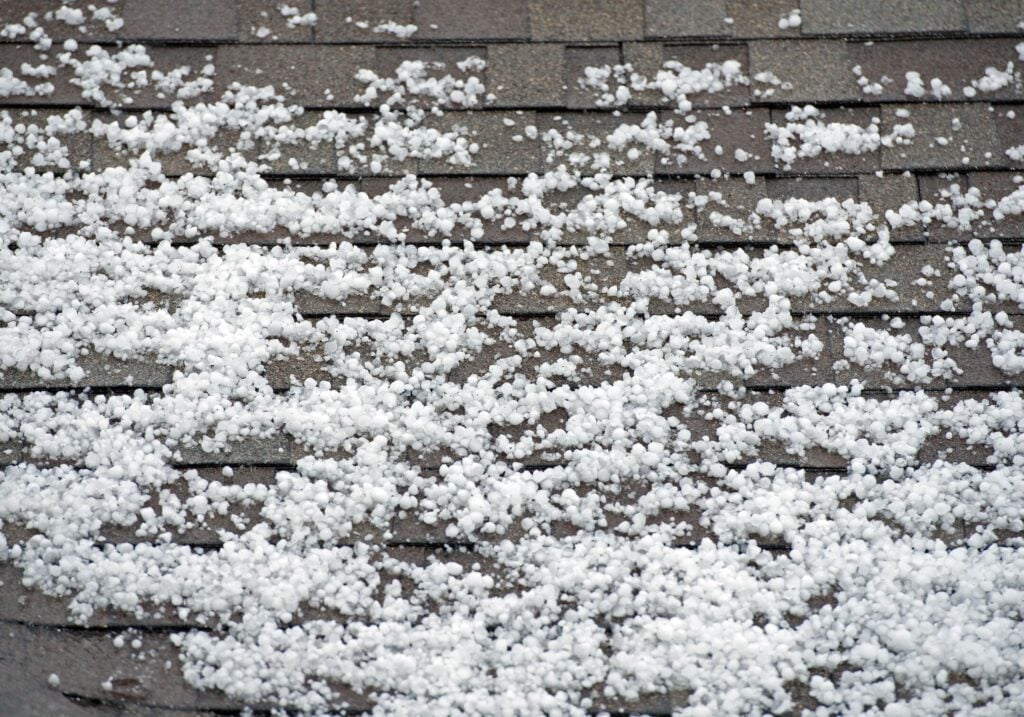
Hail damage is often invisible from ground level and gets dismissed as cosmetic, but even minor-looking hail impact can shorten a roof’s lifespan by 5 to 15 years and lead to leaks that develop years after the storm. Understanding what’s actually happening to a shingle during a hail impact helps you take the damage seriously.
- Granule loss accelerates aging: The granules on shingles protect the asphalt beneath from UV damage; losing them exposes the asphalt to sun degradation.
- Fractures compromise waterproofing: Even hairline cracks in shingles create water infiltration pathways that worsen with each freeze-thaw cycle.
- Insurance claim windows close: Most homeowners insurance policies require claims within 60 to 365 days of the storm event; delayed discovery often means missed coverage.
- Underlying damage spreads: Hail that cracks flashing or vents creates leak points that cause progressive interior damage.
7 Signs of Hail Damage on Your Roof
Seven specific visual and tactile signs reveal hail damage on residential roofs. Walk through this checklist after any storm that produced hail of any size in your area, or whenever you suspect your roof may have been impacted.
1. Dark Spots or Bruises on Shingles
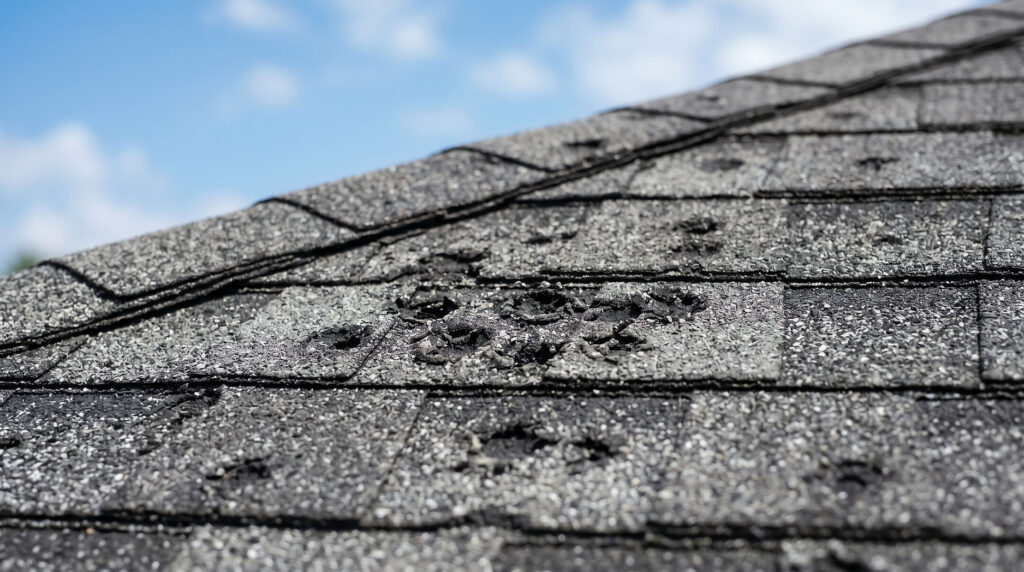
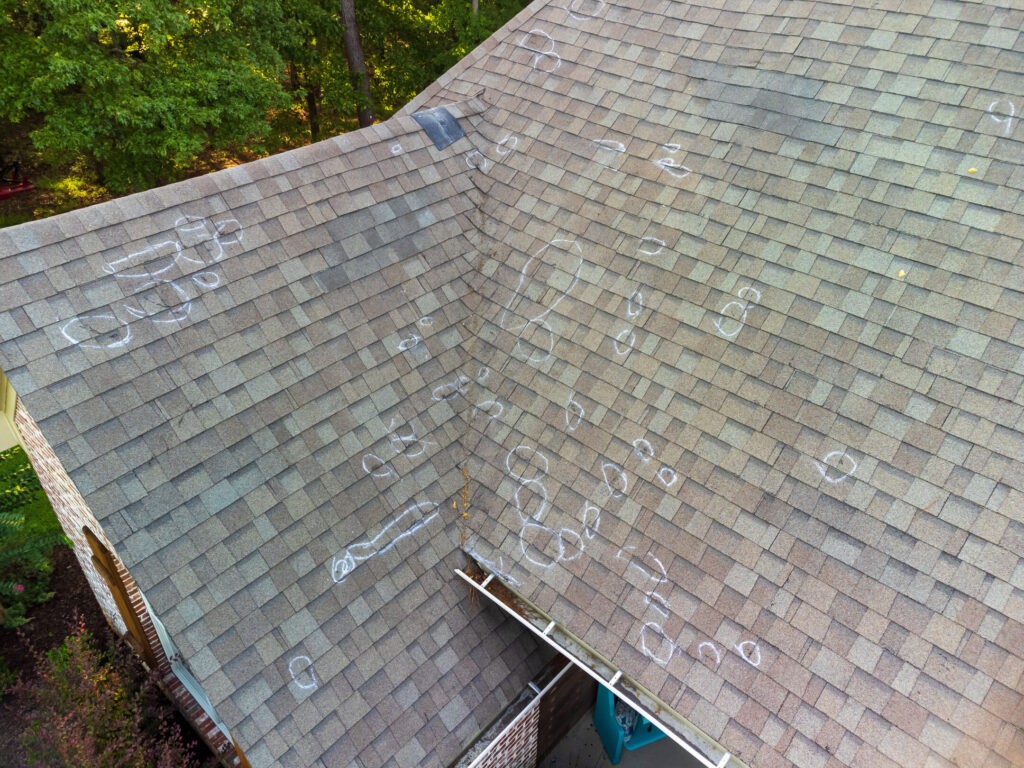
Hail impact creates distinctive dark circular spots on asphalt shingles where the granules have been knocked loose and the darker asphalt mat is exposed. These bruises typically measure 1/2 inch to 1-1/2 inches in diameter, matching the size of the hailstones that caused them. The spots appear darker than the surrounding shingle surface and often have slightly fuzzy or irregular edges rather than clean lines.
- Size indicator: Bruise diameter typically matches hailstone diameter.
- Color contrast: Darker than surrounding shingle where granules are missing.
- Pattern: Random distribution across the roof surface.
- Visibility: Often clearest in direct sunlight or when roof is wet.
2. Missing Granules in Gutters
Granule loss from hail impact is often most visible in the gutters below the roof, where washed-off granules accumulate during the storm and subsequent rains. Finding significantly more granules than usual in your gutters within days of a hailstorm is a strong indicator of roof-level damage worth investigating. Fresh granule loss looks like coarse black sand mixed with gutter debris.
- Gutter accumulation: Fresh granule buildup is a direct indicator of roof damage.
- Downspout outlets: Check where downspouts discharge for granule piles on the ground.
- Color and texture: Fresh granules look like coarse sand in your shingle’s color.
- Timing: Significant granule loss within 7 to 14 days of a hailstorm warrants investigation.
3. Exposed Asphalt or Fiberglass Mat
More severe hail impact fractures the shingle surface deep enough to expose the asphalt layer or even the fiberglass mat beneath. This looks like small circular depressions where you can see a different color or texture through the damaged area. Any exposed asphalt is a significant finding that typically justifies full shingle replacement, since the shingle has lost its weather-protection capability at that point.
- Visible asphalt layer: Black or dark asphalt showing through the granule layer.
- Fiberglass mat exposure: White or cream-colored mat visible in severely damaged areas.
- Depression depth: Visible dimples pressed into the shingle surface.
- Repair implications: Exposed shingle components typically justify replacement.
4. Cracked, Split, or Fractured Shingles
Hail can crack shingles outright, particularly older brittle shingles that have lost flexibility over time. Cracks may be visible as thin dark lines running across the shingle surface, or as complete breaks that split a shingle into multiple pieces. Fractured shingles no longer seal against each other and allow wind-driven rain to infiltrate the roof assembly immediately.
- Hairline cracks: Thin dark lines across the shingle surface.
- Complete breaks: Shingles split into separate pieces.
- Age factor: Older shingles crack more readily than newer, more flexible ones.
- Repair implications: Cracked shingles typically require full replacement rather than patching.
5. Dents on Metal Flashing, Vents, and Gutters
Metal components on the roof (flashing, vents, gutters, and downspouts) show hail impact as visible dents even when shingles appear undamaged. These metal dents are often the most obvious sign of a hail event and provide useful documentation for insurance claims. Dents on roof vents and flashing can also compromise the weather seal around penetrations.
- Flashing dents: Visible indentations on chimney, valley, and wall flashing.
- Vent damage: Dented or cracked vent covers and plumbing vent stacks.
- Gutter and downspout dents: Visible impressions on aluminum or steel gutters.
- Metal roof damage: Dented metal roofing panels, particularly on softer metals.
6. Soft Spots When Pressed
Hail-damaged shingles sometimes feel soft or spongy when pressed, which indicates the shingle structure has been compromised even where visible damage is minimal. This test should only be performed by a professional roofer with proper safety equipment, but the soft-spot indicator helps experienced inspectors identify damage that isn’t visually obvious. Soft spots typically indicate shingles that will fail prematurely even if they look mostly normal.
- Tactile indicator: Softness or sponginess under gentle pressure.
- Non-visible damage: Reveals compromised shingles that look normal visually.
- Professional assessment: Should only be performed by qualified inspectors.
- Lifespan impact: Soft shingles will fail prematurely regardless of appearance.
7. Random Pattern of Damage
Hail damage follows a random pattern across the roof rather than the organized pattern of normal wear and tear or installation defects. If you spot damage that appears randomly distributed with no clear relationship to roof age, foot traffic patterns, or sun exposure, hail is the most likely cause. Insurance adjusters specifically look for this random pattern as evidence of hail versus other damage sources.
- Random distribution: No clear pattern related to roof slope, orientation, or age.
- Mixed severity: Some areas heavily damaged, others untouched or lightly damaged.
- Directional component: More damage on roof slopes facing the storm’s approach direction.
- Multiple surfaces affected: Damage visible on roof, flashing, vents, and gutters consistently.
How Hail Damage Looks on Different Roofing Materials
Hail damage shows up differently depending on the roofing material installed. Understanding the material-specific indicators helps you accurately assess your own roof.
- Asphalt shingles: Dark bruises, granule loss, cracks, and exposed asphalt (described in detail above).
- Metal roofing: Dents in metal panels, with severity depending on panel gauge; standing seam metal shows denting more readily than textured or stamped profiles.
- Wood shakes: Splits running with the grain of the wood shake, impact marks, and sometimes complete fractures of individual shakes.
- Slate roofing: Cracked or shattered slates; slate is relatively brittle and shows clear damage from significant hail impact.
- Clay or concrete tile: Chips, cracks, or complete breaks of individual tiles.
- Rubber or TPO flat roofing: Punctures or compressed areas visible on inspection.
Insurance Claims and Documentation
Prompt documentation and professional inspection are the most important steps after any suspected hail event. Follow this sequence to protect your insurance claim and roof.
- Document the storm: Save local news reports, radar imagery, and date confirmation of the storm.
- Take dated photos: Photograph granule accumulation in gutters, dents on metal, and any visible roof damage from the ground.
- Call your insurance carrier: File a claim within the policy window (typically 60 days to 1 year).
- Hire a reputable local roofer: Hire a PA-registered contractor with hail inspection experience, not a door-to-door storm chaser.
- Request a full roof inspection: Include flashing, vents, gutters, siding, and windows in the inspection scope.
- Preserve evidence: Don’t repair or replace damaged components until the adjuster inspects.
According to the Insurance Information Institute, NOAA’s National Weather Service Storm Prediction Center reported 5,432 severe hail events in 2025, a slight increase from 5,373 in 2024, with hail-related insurance claims continuing to rank among the leading causes of catastrophic residential property losses nationwide.
When to Call a Professional
Hail damage assessment is a job for a qualified roofing contractor rather than a DIY inspection, both for safety reasons and for insurance documentation purposes. Call a professional for any of these situations.
- After any hailstorm: Schedule an inspection within 30 days of any hailstorm, even if damage isn’t visible from the ground.
- Visible damage from the ground: Dents on gutters, granules in downspout runoff, or visible shingle damage.
- Interior water signs: Any new water stains on ceilings or in attics after a storm.
- Approaching claim deadline: Document any possible damage before your insurance claim window closes.
- Pre-sale inspection: Have a professional document roof condition before listing a home, especially if a hailstorm occurred during your ownership.
Frequently Asked Questions
Can I inspect hail damage from the ground?
Some signs of hail damage are visible from the ground (dented gutters, granules in downspout runoff, visible shingle damage on steep roofs), but accurate assessment requires a professional on-roof inspection. DIY roof climbing is dangerous and often misses subtle damage like bruising or soft spots.
How long do I have to file a hail damage insurance claim?
Most homeowners insurance policies require claims within 60 days to 1 year of the storm event, with specific deadlines varying by carrier and state. Check your policy or call your agent immediately after any suspected hail damage to confirm your specific claim window.
Will minor hail damage affect my roof’s lifespan?
Yes. Even minor hail damage accelerates granule loss and shortens roof lifespan by 5 to 15 years. What looks like a cosmetic issue often leads to premature failure as weakened areas degrade faster than undamaged areas of the same roof.
Should I replace or repair hail-damaged shingles?
Localized damage to a few shingles can be repaired with individual shingle replacement, but widespread hail damage typically justifies full roof replacement. Insurance adjusters often approve full replacement when damage exceeds specific thresholds (often 8 to 10 hits per 100 square feet).
Do impact-resistant shingles help?
Class 4 impact-resistant shingles (rated per UL 2218) withstand significantly larger hail without damage and may qualify Pittsburgh homeowners for homeowners insurance premium discounts of 5 to 25 percent. Impact-resistant shingles are available from GAF, Owens Corning, Atlas, CertainTeed, and other major manufacturers.
How much does hail damage repair cost in Pittsburgh?
Hail damage repair in Pittsburgh ranges from a few hundred dollars for small isolated repairs to full roof replacement in the $10,000 to $30,000 range for standard asphalt shingle roofs. Insurance typically covers hail damage, subject to your deductible.
Protect Your Roof After the Next Pittsburgh Hailstorm
Hail damage rarely fixes itself and almost always worsens over time if left untreated. Taking the time to inspect for the seven key signs after any storm, documenting damage promptly, and bringing in a qualified roofer protects both your home and your insurance claim window.
McCormick Renovations has inspected, repaired, and replaced hail-damaged roofs across Pittsburgh and surrounding areas for more than 30 years, working with major manufacturers including Atlas, GAF, and Owens Corning for shingle replacement and impact-resistant upgrade options. If you suspect hail damage on your roof or want a professional post-storm inspection, contact McCormick Renovations for a free consultation and detailed inspection report.