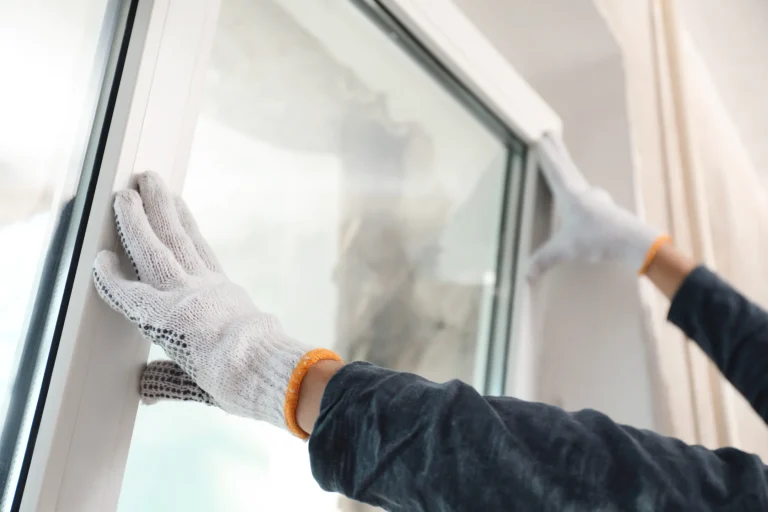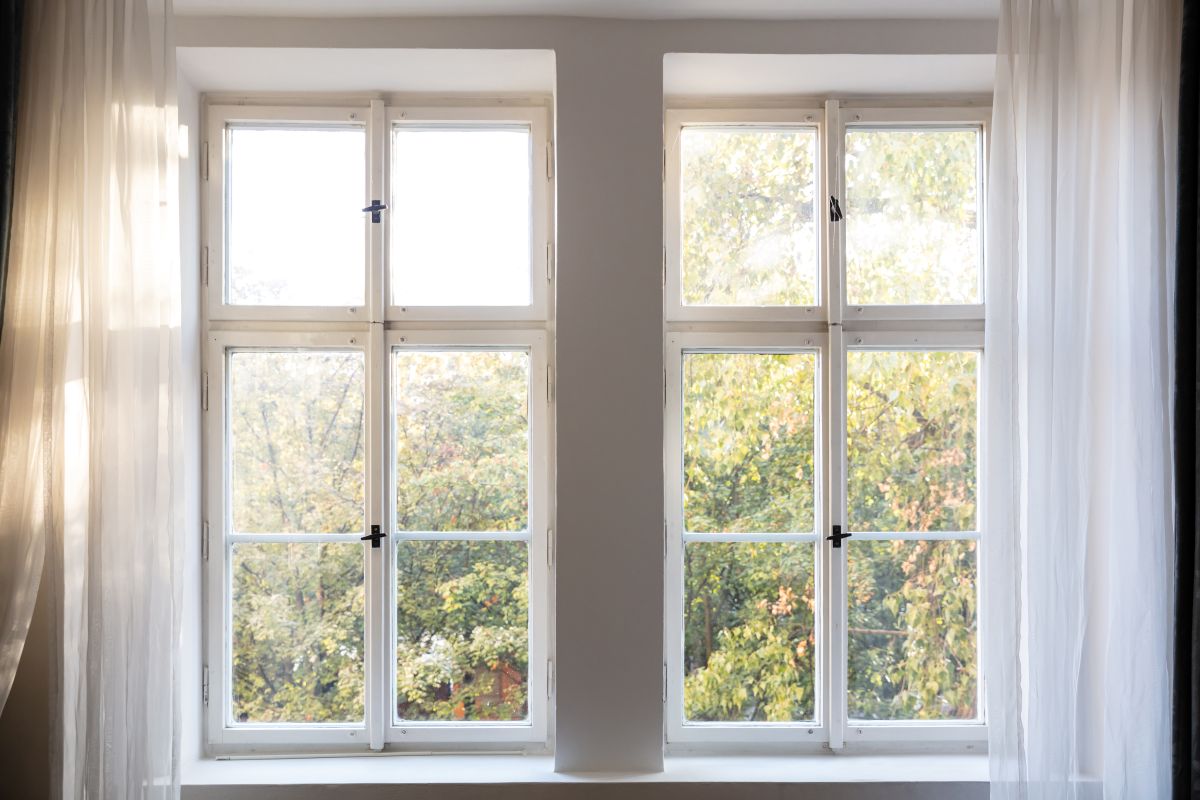
Knowing when to replace windows is one of the most valuable homeowner skills to develop, since old or failing windows quietly cost you money every month on energy bills while creating comfort, security, and moisture problems that only get worse with time. Pittsburgh’s cold winters and humid summers put every window through decades of thermal cycling, and the point at which repair no longer makes sense often arrives without dramatic warning. This guide walks Pittsburgh homeowners through the eight signs that indicate replacement time has arrived and what to consider when planning new windows.
- 8 warning signs: From rising energy bills to visible damage that should not be ignored.
- Selection criteria: How to choose the right replacement windows for Pittsburgh’s climate.
- Cost expectations: Current 2026 Pittsburgh pricing per window and for full-home replacement.
Why Timing Matters for Window Replacement
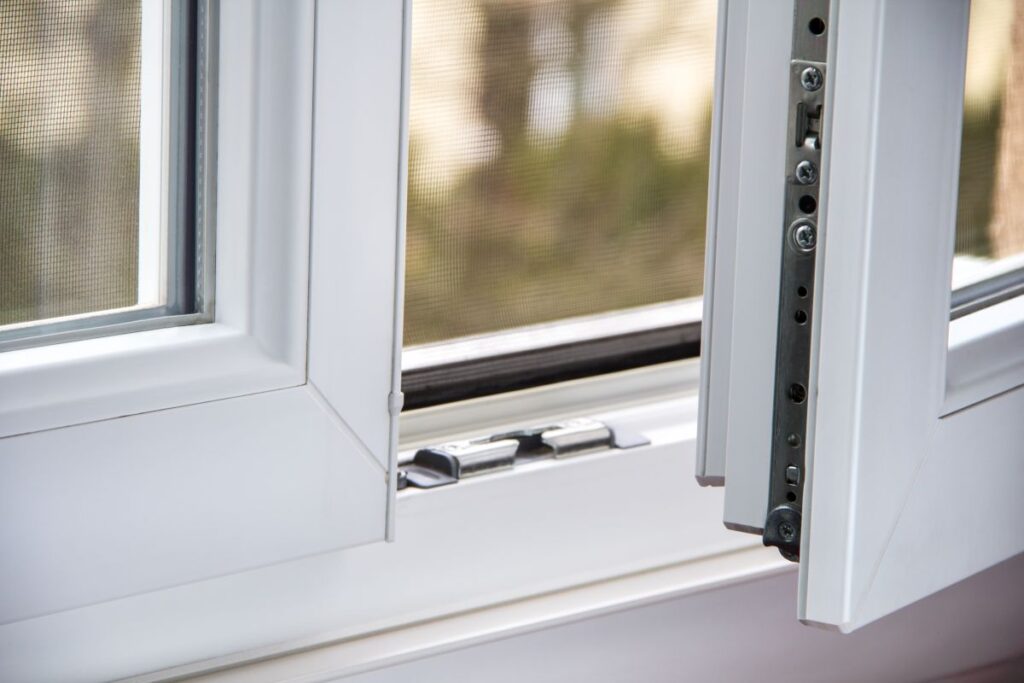
Waiting too long to replace failing windows creates cascading problems: wasted energy every winter and summer, moisture damage to interior walls, security vulnerabilities from stuck sashes, and eventually rotted framing that expands the repair scope significantly. Catching the right moment for replacement saves money and prevents damage that goes beyond the windows themselves.
8 Signs It’s Time to Replace Your Windows
Working through this eight-sign checklist gives you a clear picture of whether your windows are due for replacement now, in the next few years, or can wait longer. If two or more signs apply to your home, replacement is likely the right call.
1. Rising Energy Bills
Steadily rising heating and cooling bills that outpace your neighbors’ utility costs are often a sign that your windows have lost their thermal seal. As window seals degrade and insulating gas escapes between panes, U-factor performance drops significantly. This shows up first in winter heating costs and later in summer cooling costs. If your energy bills have crept up 15 percent or more over the past few years without a rate change, aging windows may be a major cause.
- Winter heating spikes: Higher furnace runtime is often the first symptom.
- Summer cooling load: AC that struggles to cool upper floors may indicate window heat gain.
- Compare to neighbors: Similar homes with lower bills likely have better windows.
- Energy audit: A professional audit can quantify window-related losses.
2. Drafts Around Window Frames
Noticeable drafts near closed windows indicate air infiltration around the frame, sash, or seal. Even small leaks add up to significant energy loss over a Pittsburgh winter. Hold a lit candle or piece of tissue paper near the window edges on a windy day; visible movement confirms air leakage. Drafts are often the earliest warning sign that a window’s weather seal has failed.
- Candle test: Flickering flame near the frame confirms drafts.
- Cold spots: Rooms that feel colder near windows even with the heat on.
- Winter condensation: Frost inside windows during cold snaps.
- Weather-stripping check: Damaged or missing weather-stripping accelerates air loss.
3. Difficulty Opening or Closing
Windows that stick, refuse to stay open, or require significant force to operate have often suffered frame damage, warping, or hardware failure. Beyond convenience, stuck windows create serious safety concerns as emergency escape routes and can indicate underlying structural problems in the frame or sill. Windows that no longer function properly rarely improve with repair.
- Warped frames: Wood frames that have swelled or shifted with moisture.
- Broken balance mechanisms: Sashes that fall shut when raised.
- Painted-shut windows: Older windows painted so many times they no longer move.
- Safety concern: Non-functional windows create fire escape hazards.
4. Condensation Between Panes
Fog, moisture, or visible condensation between the panes of a double- or triple-pane window is a definitive sign that the seal has failed and the insulating gas has escaped. Once this happens, the window has lost most of its energy performance and cannot be repaired without full replacement. This is one of the clearest signs that replacement is due, not optional.
- Foggy appearance: Persistent fog between panes that does not clear.
- Water droplets: Visible moisture trapped between glass layers.
- Mineral deposits: White staining from evaporated moisture.
- Not repairable: Seal failure requires full sash or window replacement.
5. Visible Damage to Frames
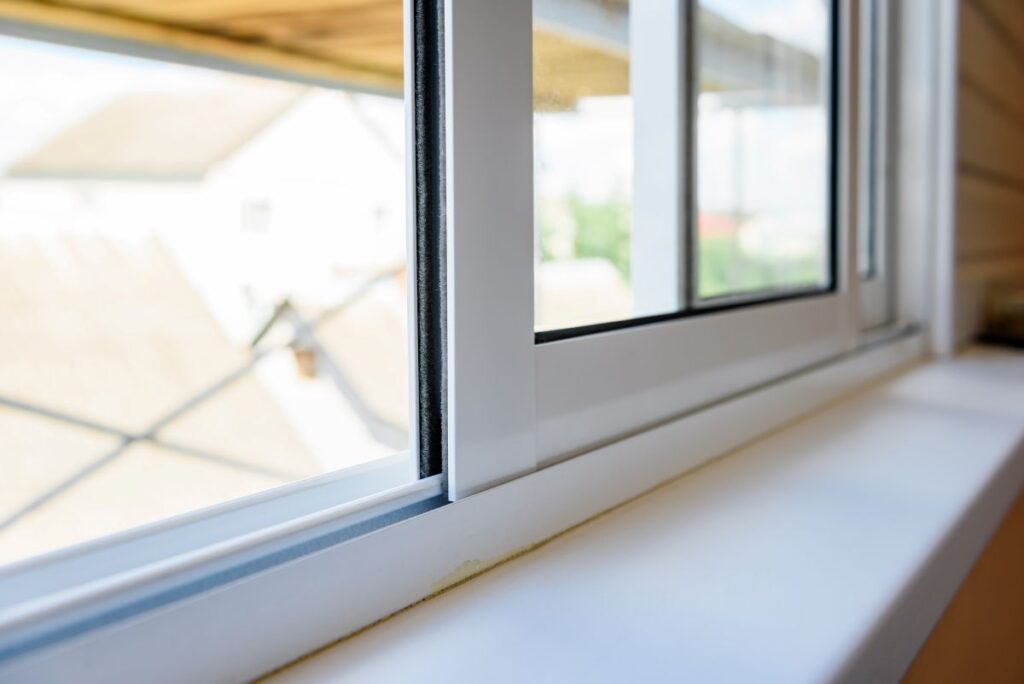
Rotted wood, cracked vinyl, corroded aluminum, or crumbling caulk around window frames indicates the structural components have deteriorated. Frame damage lets water into wall cavities, invites pests, and compromises the window’s ability to seal properly against weather. Small damage can sometimes be repaired, but extensive frame deterioration usually calls for full replacement.
- Wood rot: Soft or spongy wood around the sill or frame edges.
- Vinyl cracking: Cracks in vinyl frames from UV exposure or freeze damage.
- Aluminum corrosion: Pitting or oxidation on aluminum frames.
- Failed caulking: Gaps between window and siding letting water in.
6. Excessive Outside Noise
If outside noise like traffic, neighbors, or lawn equipment has become noticeably louder inside your home, your windows have likely lost the acoustic insulation they once provided. Modern double- and triple-pane windows with insulating gas fills dramatically reduce sound transmission compared to older single-pane or degraded double-pane windows. Noise complaints often accompany other window failure signs.
- Traffic noise: Increased road noise inside compared to years past.
- Voices from outside: Being able to clearly understand outdoor conversations.
- Weather sounds: Wind whistling around windows or rain sounding especially loud.
- Modern acoustic upgrade: New windows can reduce noise by 30 to 50 percent.
7. Water Damage or Staining Around Windows
Water stains on interior walls or ceilings near windows, discolored trim, peeling paint, or visible mold indicate that water is infiltrating around or through your windows. Left unaddressed, this leads to structural damage in wall cavities, mold growth that affects indoor air quality, and eventually costly repairs that extend well beyond window replacement itself.
- Interior wall stains: Discoloration on drywall or plaster near windows.
- Peeling paint: Bubbling or peeling around the window trim.
- Mold growth: Black spots on trim, sills, or nearby drywall.
- Warped trim: Wood trim that has expanded from moisture absorption.
8. Windows Over 20 Years Old
Even windows that appear to work fine reach the end of their useful life around the 20 to 25 year mark. Older windows use less-efficient glass, weaker frame materials, and outdated sealing methods that dramatically underperform modern ENERGY STAR-rated windows. If your windows are original to a home built before 2005, they are almost certainly candidates for replacement based on age alone.
- Age benchmark: Standard vinyl windows have a 20 to 25 year functional lifespan.
- Technology gap: Modern glass and coatings dramatically outperform pre-2005 windows.
- Original construction: Homes with original builder-grade windows often benefit most from upgrades.
- Look at receipts: Check home records for window installation or replacement dates.
According to ENERGY STAR, replacing old windows with certified energy-efficient models lowers household energy bills by an average of up to 13 percent nationwide, which is why window condition is one of the most important factors in Pittsburgh homeowners’ annual energy costs.
What to Consider When Choosing Replacement Windows
If you decide to replace your windows, several factors shape the right product choice for your home. Prioritize these considerations before you sign a contract.
- Frame material: Vinyl is the most affordable and popular; fiberglass and wood-clad are premium options.
- Glass performance: Look for Low-E coatings, argon or krypton gas fills, and multiple panes for best efficiency.
- U-factor and SHGC: In Pittsburgh, choose lower U-factor (better insulation) and moderate SHGC (some solar heat gain in winter is helpful).
- ENERGY STAR certification: ENERGY STAR-certified windows meet Pittsburgh’s climate zone criteria for efficiency.
- Warranty: Look for double-lifetime warranty (frames and glass), transferable to next owner.
- Professional installation: Even the best windows perform poorly if installed incorrectly; hire a PA-licensed contractor.
Cost of Window Replacement in Pittsburgh
Window replacement cost varies significantly based on window size, frame material, glass package, and installation complexity. Here are typical Pittsburgh-area 2026 costs per window installed.
- Vinyl double-hung: $400 to $800 per window installed.
- Fiberglass: $700 to $1,500 per window installed.
- Wood or wood-clad: $900 to $1,800 per window installed.
- Aluminum-clad: $600 to $1,200 per window installed.
- Whole-home replacement (10 to 20 windows): $4,000 to $30,000 depending on window count and material.
Larger windows, custom shapes, and specialty glass options (impact-resistant, tempered, triple-pane) add to the base cost.
Frequently Asked Questions
How long do most windows last?
Standard vinyl windows last 20 to 25 years before requiring replacement. Wood windows last 30 years or more with proper maintenance, and fiberglass windows can last 40 to 50 years. High-quality windows with good installation last longer than budget windows regardless of frame material.
Can I replace just one or two windows at a time?
Yes, most contractors will replace individual windows rather than requiring a whole-home replacement. Replacing one at a time makes sense if only a few windows have failed, though bundling multiple windows often reduces the per-window cost through shared labor.
Do new windows qualify for a tax credit in 2026?
The federal Energy Efficient Home Improvement Credit (Section 25C) that previously covered ENERGY STAR windows was eliminated by the One Big Beautiful Bill Act for installations placed in service after December 31, 2025. Check with a tax professional about state or local rebate programs that may still apply.
How long does a window replacement take?
Most Pittsburgh homes have their windows replaced in a single day, with an average of 30 to 60 minutes per window for a straightforward replacement. Larger homes with 15-plus windows may take 2 to 3 days.
Will new windows really lower my energy bills?
Yes, ENERGY STAR-rated windows replacing single-pane or aging double-pane windows typically reduce heating and cooling costs by 10 to 20 percent. Actual savings depend on your home’s existing windows, insulation, and HVAC efficiency.
Should I choose full-frame or insert replacement windows?
Full-frame replacement removes the entire window including the frame, allowing inspection and repair of the underlying wall structure. Insert (or “pocket”) replacement installs a new window inside the existing frame. Full-frame is more expensive but delivers better long-term performance when the existing frame has any damage.
Replace Your Windows With McCormick Renovations
If two or more of the eight signs above apply to your home, planning a window replacement is the right move to lock in energy savings, comfort, and long-term value. New windows deliver immediate improvements in indoor comfort and utility bills while eliminating the moisture and security risks that come with failing windows.
McCormick Renovations has installed replacement windows across Pittsburgh and surrounding areas for more than 30 years, and our team walks every homeowner through material selection, energy performance options, and installation planning so there are no surprises. If you are ready to plan a window replacement, contact McCormick Renovations for a free consultation and estimate on the right windows for your home.