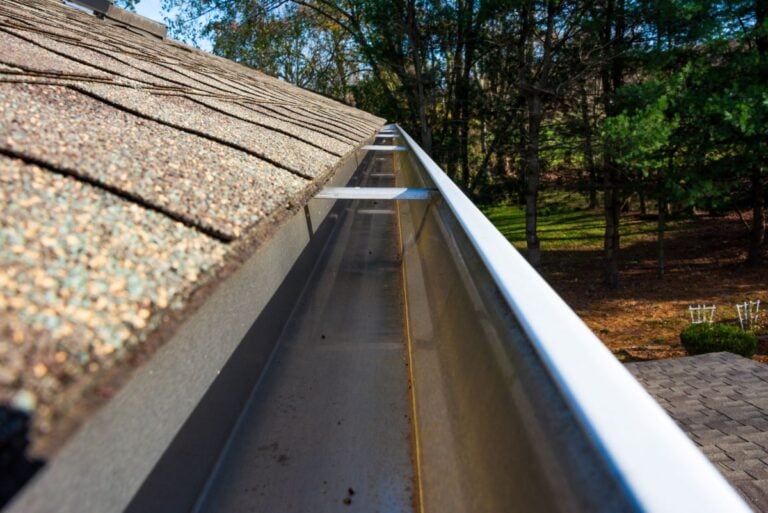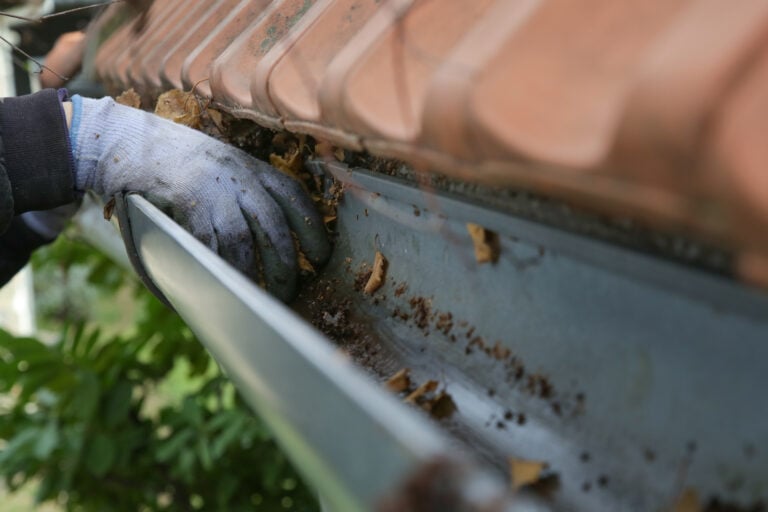
Choosing the best gutter guards for your home is one of the smartest low-cost investments a Pittsburgh homeowner can make, since the right guards keep leaves, pine needles, seed pods, and roof debris out of your gutter system so water flows freely away from your foundation. Pittsburgh’s mix of mature oak, maple, and pine trees drops enough debris every fall to fully clog unprotected gutters within weeks, and clogged gutters are one of the leading causes of expensive foundation, basement, and siding water damage. This guide walks you through the five most common gutter guard types, current cost expectations, and how to pick the right guards for your home.
- Five gutter guard types compared: Mesh, micro-mesh, reverse-curve, foam, and brush guards with pros, cons, and effectiveness data.
- Selection guidance: How to match the right gutter guard to your roof, tree cover, and budget.
- Cost and installation: Current 2026 pricing for materials and professional installation.
Why Gutter Guards Matter
Gutter guards protect one of the most important yet overlooked systems on your home: the drainage path that carries thousands of gallons of rainwater away from your foundation every year. When gutters clog with leaves and debris, water overflows the gutter edge, saturates the ground next to your foundation, and can cause serious damage over time.
- Foundation protection: Overflowing gutters saturate the soil around your foundation, leading to cracks, settling, and basement leaks.
- Fascia and soffit protection: Standing water in clogged gutters rots the wood behind the gutter and creates costly repair bills.
- Landscape preservation: Overflowing gutters wash out mulch, kill plants, and create erosion channels near the house.
- Winter ice dam reduction: Free-flowing gutters help prevent the ice buildup that damages roofs during Pittsburgh winters.
5 Types of Gutter Guards Compared
The gutter guard market includes five main product categories, each with different effectiveness, cost, and installation requirements. Understanding how each type actually performs helps you avoid wasting money on guards that clog as fast as bare gutters.
1. Mesh Screen Guards
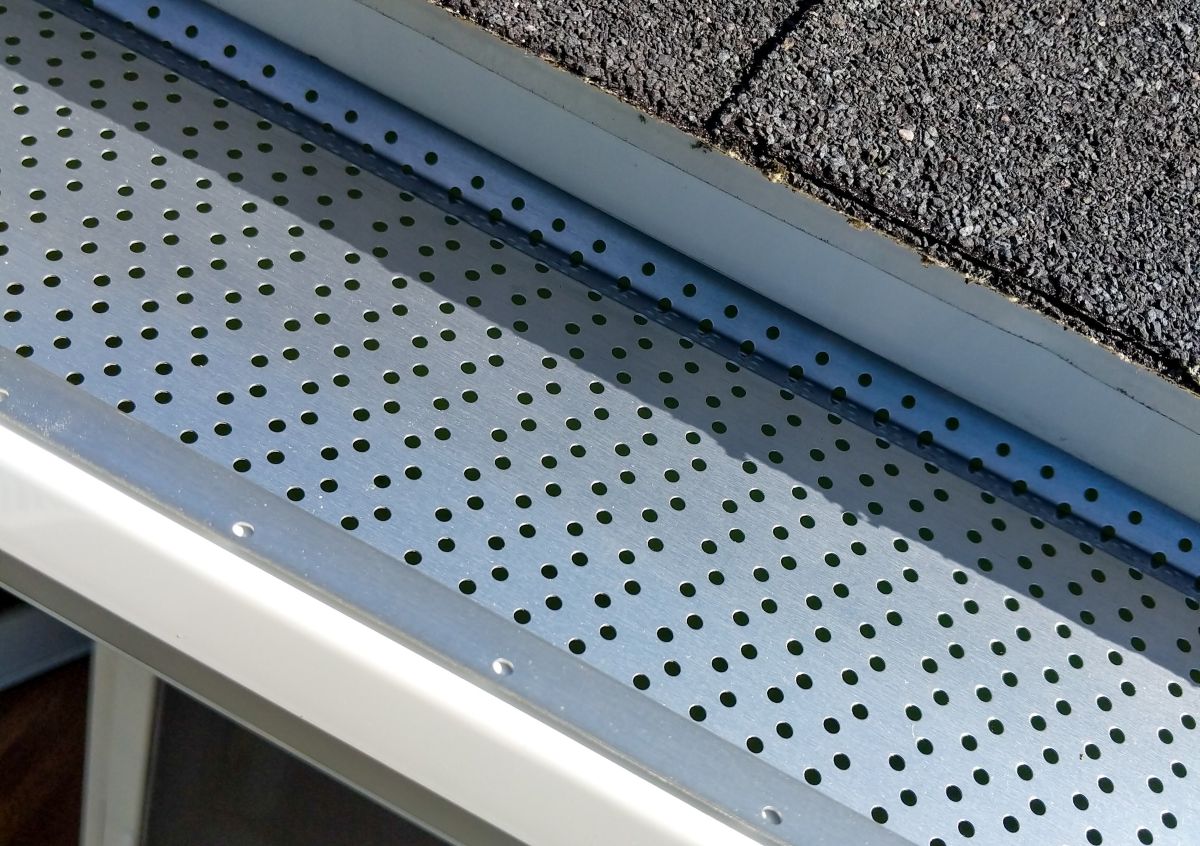
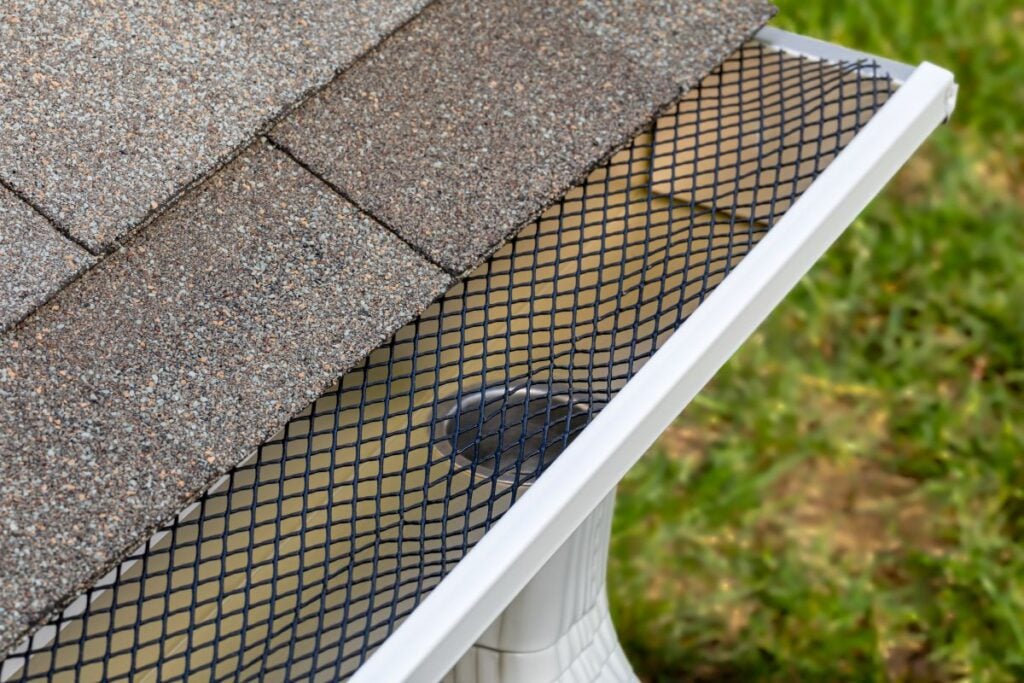
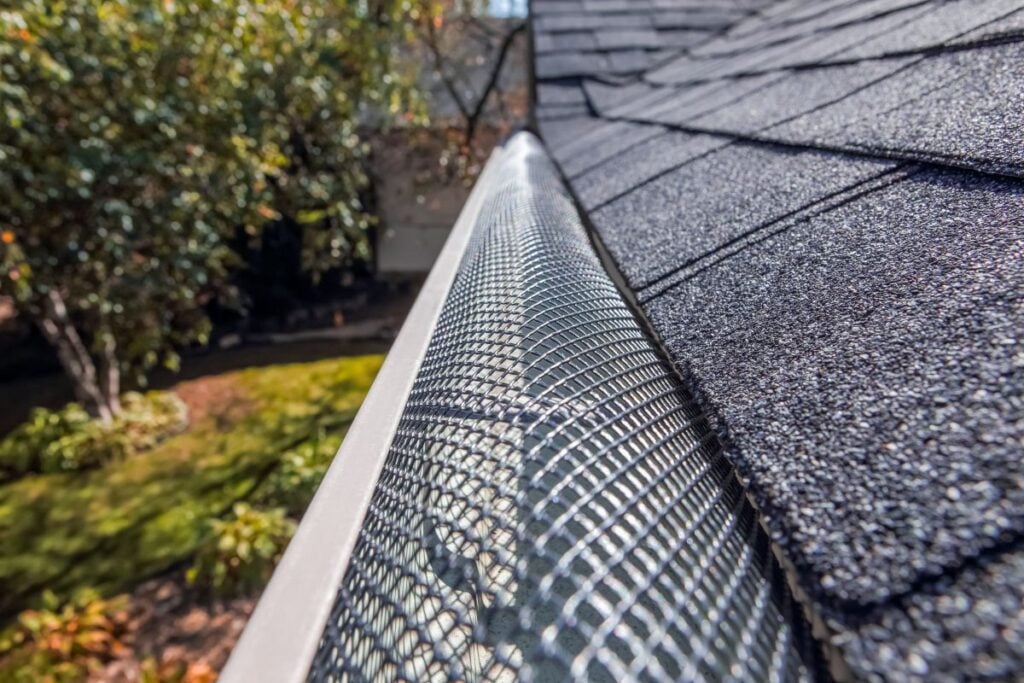
Mesh screen guards are the most widely available option and use a metal or plastic mesh screen that snaps or clips over the top of your gutter to block leaves and larger debris while allowing water through. Standard mesh guards have openings between 1/8-inch and 1/4-inch, which stops most leaves and twigs but allows smaller debris like pine needles and seed pods to pass through and accumulate. Mesh guards work well for homes without heavy pine tree coverage.
- Effectiveness: Blocks 80 to 90 percent of large debris but misses fine particles.
- Cost: $2 to $4 per linear foot installed.
- Best for: Homes with primarily deciduous trees like oak, maple, and birch.
- Drawbacks: Fine debris still passes through; requires occasional cleaning.
2. Micro-Mesh Guards
Micro-mesh guards are the highest-performing gutter guard type and use ultra-fine stainless steel mesh with openings as small as 50 microns (about the diameter of a human hair). This ultra-fine mesh blocks nearly all debris including pine needles, shingle grit, and even blown pollen while still allowing water through at high volumes. Micro-mesh guards are the top choice for homes with heavy tree coverage or pine trees nearby, and premium brands like LeafFilter, Gutter Helmet, and Raptor sell primarily this type.
- Effectiveness: Blocks 98 to 99 percent of debris, including pine needles and shingle grit.
- Cost: $8 to $25 per linear foot installed (professional install).
- Best for: Homes with heavy tree cover or pine trees nearby.
- Drawbacks: Highest cost of any gutter guard type; can develop surface tension issues in heavy rain if poorly installed.
3. Reverse-Curve (Surface Tension) Guards
Reverse-curve guards use a solid cover that curves down over the front lip of the gutter, relying on water’s surface tension to pull rainwater around the curve and into the gutter while leaves slide off the edge and fall to the ground. Popular brands include Gutter Helmet, LeafGuard, and Englert LeafGuard. These systems work well for average rainfall but can overshoot in heavy downpours, letting water sheet over the guard rather than into the gutter.
- Effectiveness: Blocks 90 to 95 percent of debris but can overshoot in heavy rain.
- Cost: $7 to $18 per linear foot installed.
- Best for: Homes with moderate tree coverage and standard rainfall patterns.
- Drawbacks: Can overshoot in heavy downpours; visible edge changes roof appearance.
4. Foam Inserts
Foam gutter inserts are triangular polyurethane blocks that fit inside the gutter and allow water to filter through the foam while blocking larger debris on top. Foam is the cheapest option and easiest to install as a DIY project, but the foam degrades over time under UV exposure, absorbs water and freezes in winter, and eventually breaks down into the gutter itself. Foam inserts typically need replacement every 2 to 5 years.
- Effectiveness: Blocks 70 to 80 percent of large debris.
- Cost: $1 to $3 per linear foot for materials (DIY-friendly).
- Best for: Budget-conscious homeowners in areas with light debris.
- Drawbacks: Short lifespan; degrades under UV exposure; can trap moisture and shingle grit.
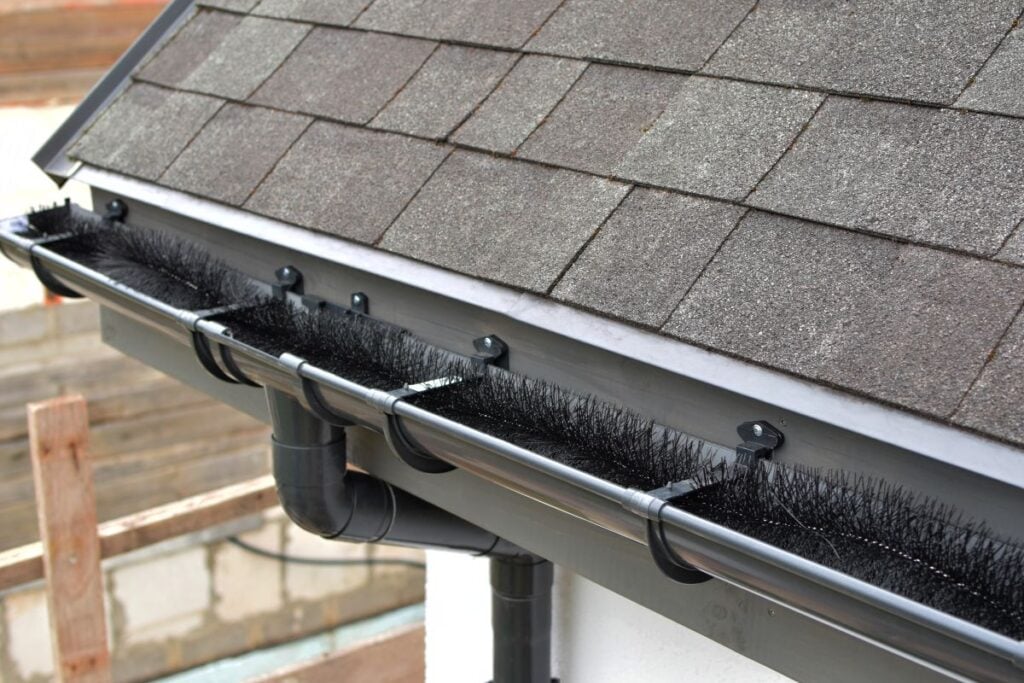
5. Brush Guards
Brush guards are long cylindrical bristles that sit inside the gutter and allow water to flow around them while catching debris on top. Brand names like GutterBrush sell this type. Brush guards are simple to install (no tools required, just push them into place), but debris tends to accumulate on top of the bristles rather than blowing away, requiring more frequent cleaning than mesh or micro-mesh alternatives.
- Effectiveness: Blocks 60 to 75 percent of large debris.
- Cost: $3 to $8 per linear foot for materials.
- Best for: Homes wanting an ultra-simple DIY install with easy removal for cleaning.
- Drawbacks: Debris accumulates on top of bristles; still requires cleaning; can trap seeds that sprout.
Water damage is the second most common homeowners insurance claim in the U.S., trailing only wind and hail, and clogged gutters are a documented contributor to the foundation, basement, and siding water damage that generates many of these claims.
How to Choose the Best Gutter Guards for Your Home
Picking the right gutter guard depends on your tree coverage, roof type, budget, and how often you want to think about gutter maintenance. Match these factors to the guard type that fits best.
- Heavy pine or evergreen coverage: Micro-mesh is the only type that reliably blocks pine needles and small debris.
- Deciduous trees only: Standard mesh screen guards handle leaves at a lower price point.
- Steep or metal roof: Reverse-curve guards can overshoot; micro-mesh or mesh perform better.
- Heavy rainfall areas: Micro-mesh with high-flow design handles Pittsburgh’s summer downpours best.
- Budget-focused: Foam or brush inserts are lowest cost but require more frequent replacement.
- Longest lifespan: Stainless steel micro-mesh guards typically last 20-plus years without replacement.
Cost of Gutter Guards in Pittsburgh
Gutter guard cost varies significantly by type, material quality, and whether you install them yourself or hire a professional. Here are current 2026 price ranges for Pittsburgh and surrounding areas.
- Foam or brush inserts: $1 to $8 per linear foot (DIY-friendly).
- Mesh screen guards: $2 to $4 per linear foot installed.
- Reverse-curve guards: $7 to $18 per linear foot installed.
- Micro-mesh guards: $8 to $25 per linear foot installed.
- Typical 200-foot home: Total cost ranges from $200 (DIY foam) to $5,000 (premium micro-mesh installed).
Professional installation often includes a workmanship warranty, gutter cleaning before install, and pitch inspection to verify proper drainage, all of which affect long-term performance.
Frequently Asked Questions
Do gutter guards eliminate all gutter maintenance?
No gutter guard fully eliminates maintenance, though the best micro-mesh guards can reduce cleaning frequency from twice a year to once every 2 to 3 years. Even the highest-performing guards benefit from an occasional rinse and visual inspection to catch debris buildup on top of the guard.
How long do gutter guards last?
Lifespan varies significantly by type. Stainless steel micro-mesh guards last 20-plus years, aluminum mesh guards last 15 to 20 years, reverse-curve guards last 15 to 20 years, brush guards last 5 to 10 years, and foam inserts last 2 to 5 years before requiring replacement.
Will gutter guards damage my roof or void my roof warranty?
Properly installed gutter guards do not damage the roof. However, some guards that slide under the first row of shingles can void manufacturer roof warranties, particularly GAF and Owens Corning warranties. Ask your contractor to install guards that attach only to the gutter itself.
Can I install gutter guards myself?
Foam and brush inserts are truly DIY-friendly for most homeowners. Mesh screen guards are moderately DIY-friendly for handy homeowners comfortable on a ladder. Reverse-curve and micro-mesh guards typically require professional installation for proper pitch and secure attachment.
Do gutter guards work on all gutter sizes?
Most gutter guards are made for standard 5-inch and 6-inch K-style gutters. Half-round gutters, custom copper gutters, and box gutters typically require custom-sized guards, which may cost more and take longer to source.
Are gutter guards worth the cost for a Pittsburgh home?
Gutter guards typically pay back their cost within 5 to 10 years through reduced cleaning costs, prevented water damage, and extended gutter life. For Pittsburgh homes with mature trees, gutter guards are almost always worth the investment.
Protect Your Gutters and Your Home
The right gutter guards protect your foundation, siding, and landscaping while cutting hours off your seasonal maintenance list. Whether you go with premium micro-mesh for maximum protection or budget-friendly mesh screens for lighter debris, matching the guard type to your home and tree coverage delivers the best long-term value.
McCormick Renovations installs seamless aluminum gutters and full gutter replacement systems across Pittsburgh and surrounding areas, and we can pair your new gutters with high-quality gutter guards during a gutter replacement to extend their service life and reduce maintenance for years to come. If you are planning a gutter replacement or considering gutter guards as part of an exterior refresh, contact McCormick Renovations for a free estimate.