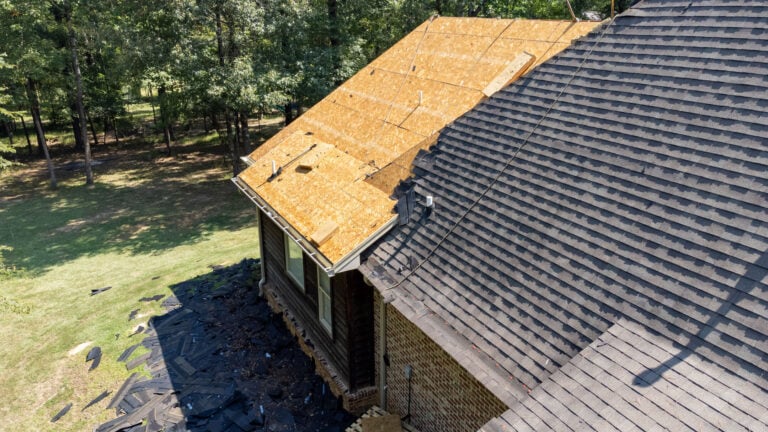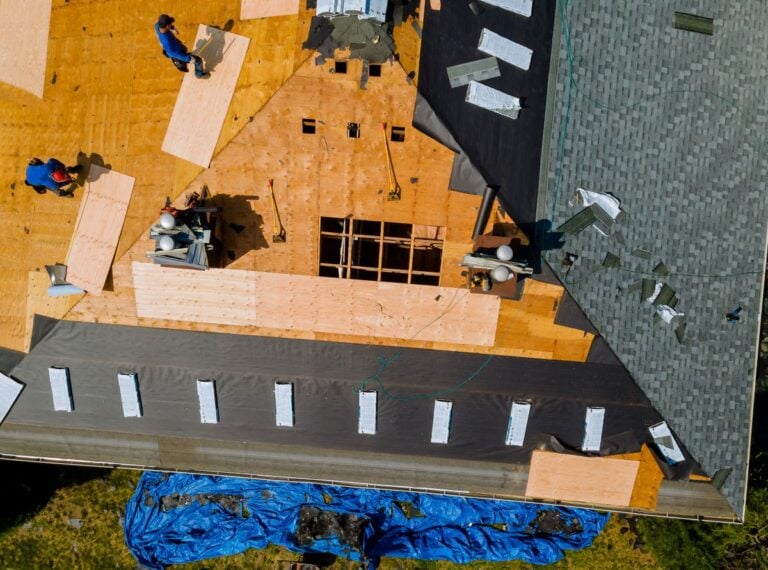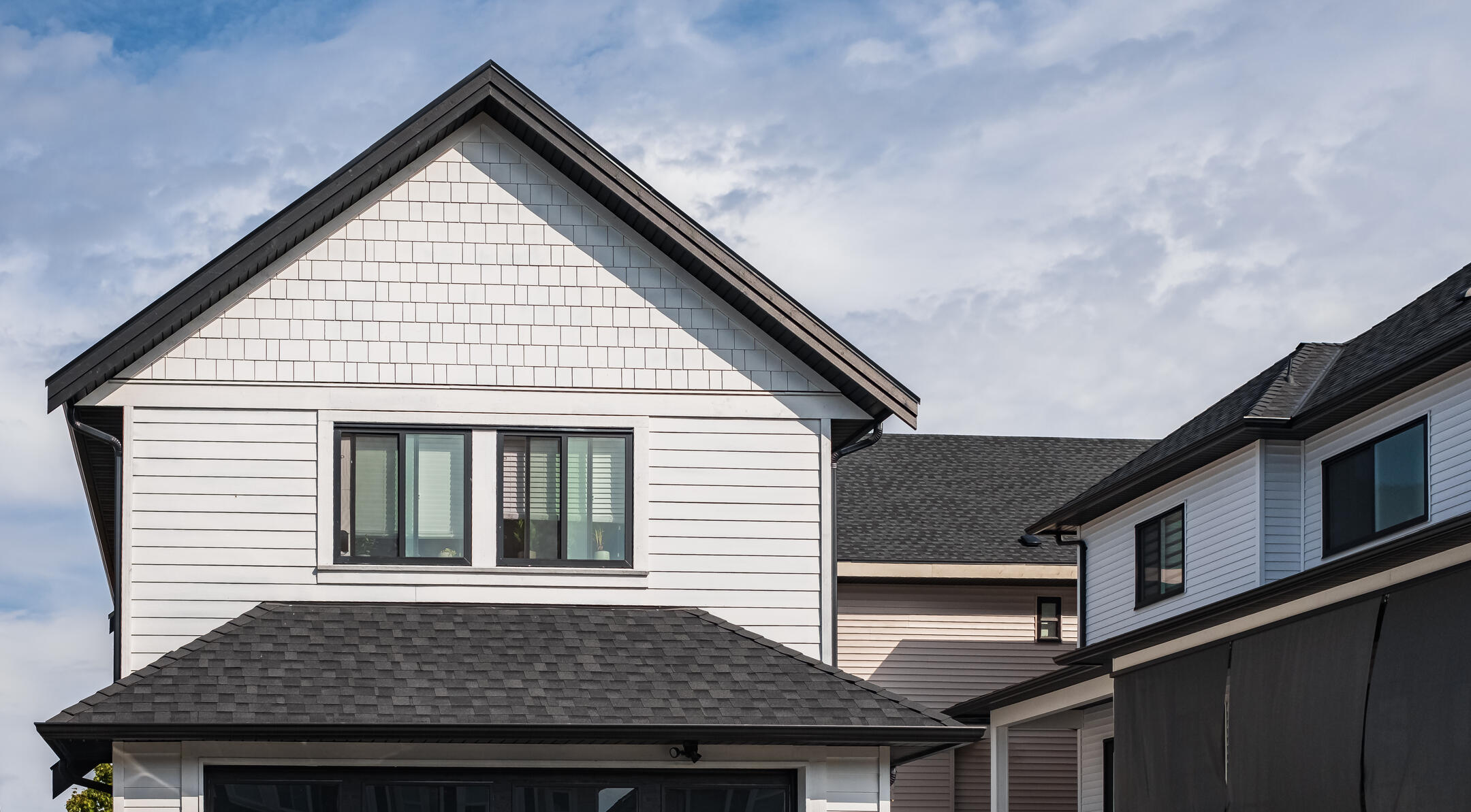
Black shingles have become one of the most popular roof colors for Pittsburgh homes over the past decade, delivering a striking modern look that pairs well with everything from traditional brick to contemporary siding. Before you commit to black for your next roof replacement, though, it’s worth understanding both the real benefits and the practical trade-offs that come with a dark roof in Pittsburgh’s climate. This guide walks through the four main pros and cons of black shingles, how they perform in the local climate, and the considerations that help you decide whether black is right for your home.
- 4 key pros and cons: The specific advantages and trade-offs worth weighing before you commit.
- How black shingles perform in Pittsburgh: Cold-climate benefits balanced against summer heat.
- Practical decision framework: How to tell if a black roof is the right call for your home.
Why Black Shingle Roofing Have Become So Popular
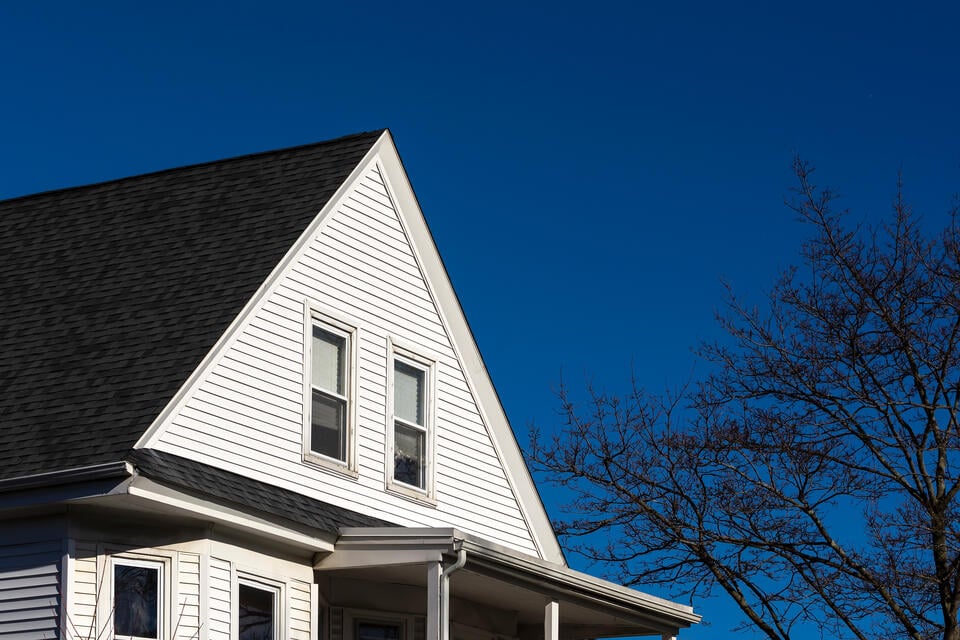
Black shingles have shifted from a bold, unusual choice to one of the most common roof color picks on new construction and replacement roofs across the Pittsburgh metro. Understanding why helps you evaluate whether the appeal lines up with your own priorities.
- Modern look: Black shingles anchor a home’s exterior and give it a crisp, defined silhouette.
- Versatility with siding: Black works with white, cream, gray, blue, green, brick, and natural wood siding.
- Perceived quality: Black shingles often read as higher-end on real estate listings and first impressions.
- Available across product lines: Every major manufacturer (Atlas, GAF, Owens Corning, CertainTeed) offers multiple black options.
4 Black Shingles Pros and Cons
Four main considerations shape the decision about whether black shingles fit your home. The first two are clear benefits; the second two are trade-offs you should understand before committing.
1. Pro: Striking Modern Curb Appeal
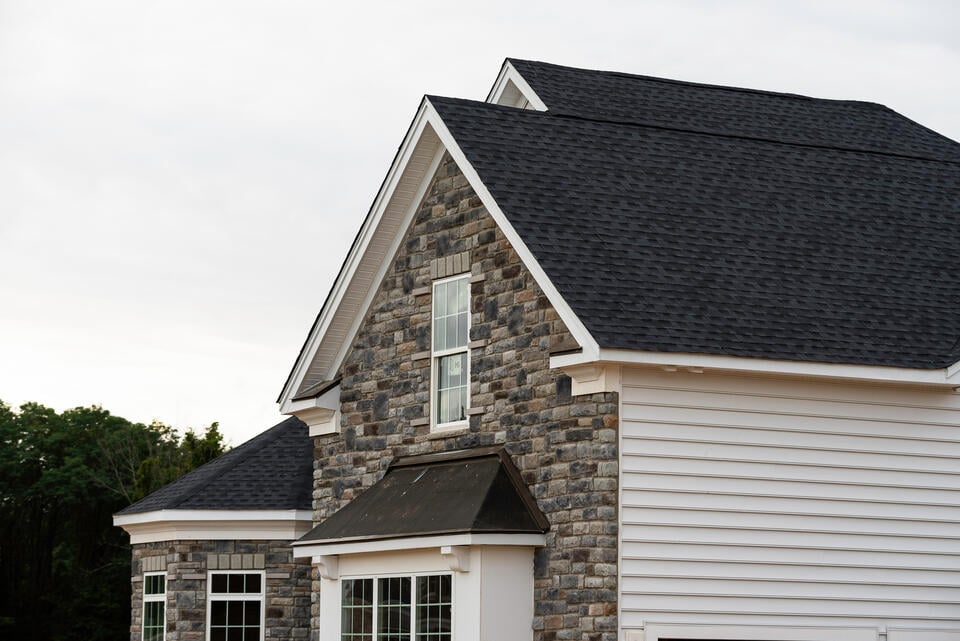
Black shingles deliver a striking contrast against lighter-colored siding, which is why they’ve become the default choice for homeowners who want their roofline to stand out and their home to look polished from the street. The dramatic contrast works especially well on colonial, Craftsman, farmhouse, and modern-style homes, and the dark roof anchors the whole exterior visually in a way that lighter shingles simply don’t match.
- Contrast with light siding: White, cream, light gray, and pale blue siding pop against a black roof.
- Defined roofline: Black makes architectural details like dormers, gables, and valleys more visible.
- Resale appeal: Black and charcoal are among the most buyer-friendly roof colors in current real estate markets.
- Design flexibility: Works across traditional and contemporary home styles.
2. Pro: Hides Dirt, Debris, and Streaking
Light-colored roofs show every leaf, speck of dirt, bird dropping, and dark algae streak that lands on them. Black shingles hide most of this visual clutter, which means your roof continues to look clean and intentional between seasonal maintenance. In humid conditions where algae can grow on any roof, black shingles disguise the dark streaking that would be glaringly visible on a tan or gray roof.
- Masks debris: Leaves, twigs, and dark organic material blend into the roof surface.
- Hides algae streaks: Dark algae stains that would stand out on light shingles blend into black.
- Reduces visible wear: General weathering patterns are less obvious on a dark roof.
- Lower-maintenance appearance: Looks cleaner between gutter cleanings and roof maintenance.
3. Con: Higher Heat Absorption in Summer
Black absorbs dramatically more solar energy than lighter colors, which raises the surface temperature of your roof significantly during summer. Dark roofs can run 50 to 90 degrees Fahrenheit hotter than lighter shingles on peak sunny days, and some of that heat transfers into your attic and living spaces. In Pittsburgh’s climate (cooler winters, mild-to-warm summers), this matters less than it would in Phoenix or Houston, but it’s still a real energy trade-off that proper attic ventilation can mitigate but not eliminate.
- Hotter roof surface: Can reach 150-plus degrees F on peak summer days.
- Hotter attic: Heat transfers through the roof deck into attic space.
- Summer cooling impact: Air conditioning works harder on sunny afternoons.
- Ventilation matters: Proper ridge and soffit ventilation significantly reduces the heat impact.
4. Con: Potentially Faster Fading
All asphalt shingles fade over time from UV exposure, but the shift on black shingles tends to be more visible than on lighter colors because the eye picks up the transition from deep black toward dark charcoal as the roof ages. Modern premium black shingles with UV-stable granules hold their color significantly better than older or lower-grade products, but even the best black shingles eventually show some visible fading over a 20 to 30 year lifespan.
- UV-driven color shift: Direct sun gradually fades black toward dark charcoal.
- More visible on dark colors: Fading contrast reads more obviously than on gray or brown.
- Varies by product grade: Premium shingles with UV-stable granules fade much more slowly.
- Sun-exposed slopes age first: South and west facing sides typically show fading sooner than north-facing slopes.
How Black Shingles Perform in Pittsburgh’s Climate
Pittsburgh’s cold winters and mild-to-warm summers make black shingles a better fit here than in hotter climates. The heat absorption that would be a serious problem in the Deep South becomes a modest winter benefit in southwestern Pennsylvania.
- Winter benefit: Black shingles absorb solar heat and can help melt light snow and ice from the roof surface.
- Reduced ice dam formation: Faster snow melt reduces the window for ice dam formation at the eaves.
- Modest winter energy benefit: A warmer roof deck can modestly reduce heat loss through the roof.
- Summer trade-off: Still produces more attic heat than lighter options on sunny August afternoons.
- Freeze-thaw performance: Black shingles perform well through Pittsburgh’s freeze-thaw cycles.
- Overall fit: The climate balance is favorable for black shingles compared to hot climates.
According to GAF, choosing a dark roof in colder climates can help your home’s energy efficiency during colder months by absorbing solar heat and helping maintain higher attic temperatures, though homeowners in warmer regions typically benefit more from lighter shingle colors that reflect solar heat.
Energy Efficiency and Cool Roof Options
If the energy performance trade-offs of black shingles concern you, cool roof technology lets you have the look without as much of the heat penalty. These products use specialized infrared-reflective granules that reflect more solar heat even in dark colors.
- Atlas Pinnacle Sun: Cool roof architectural shingle with 3M Cool Roof Technology.
- GAF Timberline Cool Series: Infrared-reflective granules in multiple shades including dark options.
- Owens Corning Duration COOL: SureNail Technology plus cool roof-engineered granules.
- Energy benefit: Can reduce peak roof surface temperatures by 15 to 30 degrees F compared to standard dark shingles.
- Price premium: Typically costs 10 to 20 percent more than standard architectural shingles.
- Looks the same: From street level, cool roof black shingles look virtually identical to standard black.
Is a Black Roof Right for Your Home?
Not every home is a good candidate for black shingles. Use this quick decision framework to help you evaluate whether black is the right call.
- Black fits well when: You have light-colored siding (white, cream, light gray, pale blue), you prefer modern or traditional aesthetic contrast, you live in a cooler climate like Pittsburgh, your attic is well-insulated and ventilated, and your HOA (if applicable) allows black.
- Consider alternatives when: Your home has dark siding (dark brown, navy, black), you have significant summer AC use and limited shade, your attic ventilation is poor and difficult to improve, or your HOA restricts dark roof colors.
- Middle-ground options: Charcoal gray, dark gray, or black blended with gray give you much of the visual impact with less heat absorption than pure black.
- Cool roof alternative: If you love the look but worry about heat, a cool roof black shingle delivers both.
Frequently Asked Questions
Do black shingles make your house hotter?
Yes, black shingles absorb more solar heat than lighter colors, which can raise attic temperatures significantly in summer. Proper attic insulation and ventilation substantially reduce the impact on living spaces, but the roof surface itself still runs 50 to 90 degrees Fahrenheit hotter than a lighter roof on peak sunny days.
Do black shingles fade faster?
Black shingles don’t necessarily fade faster than other colors, but any fading is more visible because the eye picks up the shift from deep black toward dark charcoal more easily than it picks up similar shifts on lighter shingles. Premium shingles with UV-stable granules hold their color significantly better.
Are black shingles good for Pittsburgh’s climate?
Yes, black shingles work well for Pittsburgh’s climate. The cold winters benefit modestly from the extra solar heat absorption, and summer heat is less intense than in southern climates. Proper attic ventilation and insulation are important to minimize the summer heat impact.
How long do black shingles last?
Quality black architectural shingles installed correctly typically last 25 to 30 years in Pittsburgh’s climate, the same as other colors. Three-tab black shingles last 15 to 20 years. Premium designer black shingles can last 30 to 50 years.
Do black shingles increase home value?
Black shingles tend to have strong resale appeal in current real estate markets because they read as modern and high-end. They particularly boost curb appeal on homes with light-colored siding, where the contrast creates the dramatic look most buyers find attractive.
What brands make the best black shingles?
All major shingle manufacturers (Atlas, GAF, Owens Corning, CertainTeed) offer black options across their architectural product lines. Atlas Pinnacle Pristine, GAF Timberline HDZ, Owens Corning Duration, and CertainTeed Landmark are among the most popular black architectural shingles on Pittsburgh homes.

Choosing the Right Roof Color With McCormick Renovations
Black shingles can be a fantastic choice for the right Pittsburgh home, delivering dramatic curb appeal, strong resale value, and a modest winter heat benefit. The key is matching the color to your home’s siding, climate exposure, attic ventilation. Long-term goals and selecting a premium shingle product that holds its color well over decades.
McCormick Renovations has installed thousands of roofs across Pittsburgh and surrounding areas for more than 30 years, working with major manufacturers including Atlas and Owens Corning on standard and cool roof black shingle options. If you’re considering a black roof for your next replacement and want an honest walkthrough of how it will look on your specific home, contact McCormick Renovations for a free consultation and estimate.