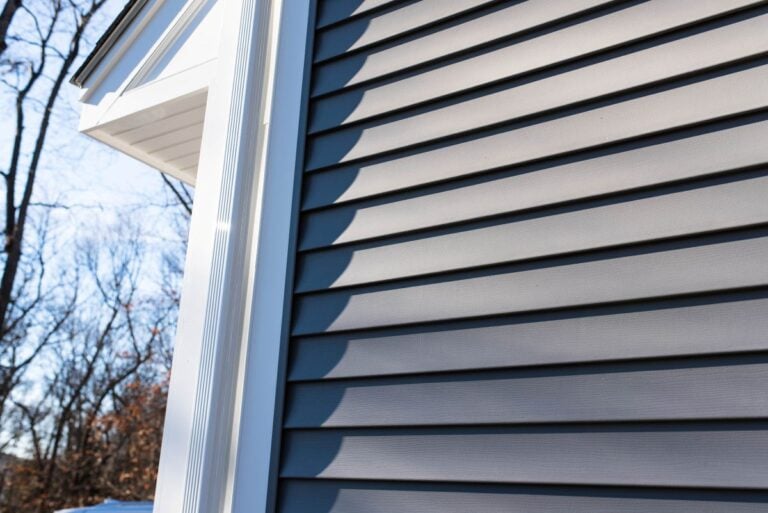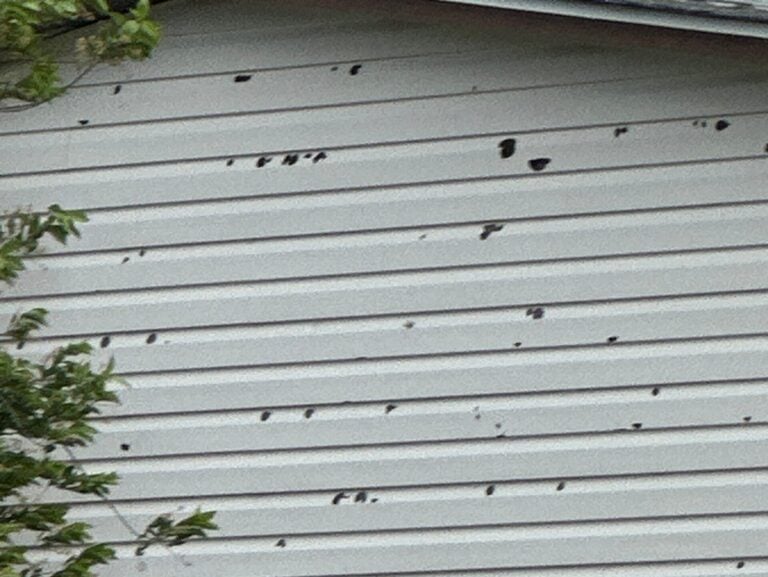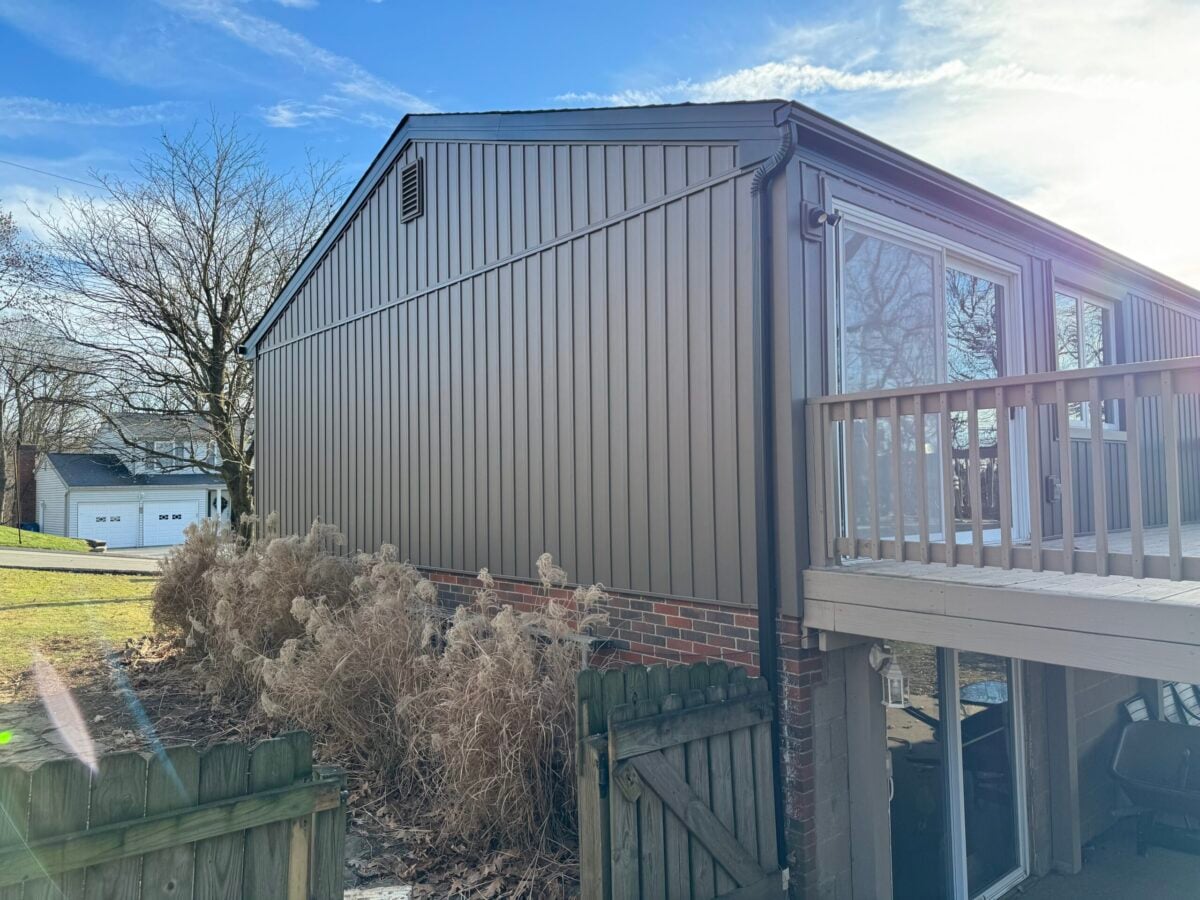
Board and batten siding is one of the most flexible exterior design choices available to homeowners, with the vertical-board-plus-narrow-batten pattern working equally well on farmhouses, modern minimalist builds, craftsman homes, and traditional colonials. The look has surged in popularity over the past decade because it adds instant visual height, breaks up large facades, and pairs cleanly with lap siding, brick, and stone accents. This guide walks through eight specific design ideas, the materials that suit each application, and what Pittsburgh-area homeowners should know before committing to a full re-side.
- Eight design ideas: Specific board and batten applications, from full-facade installs to focused accent walls.
- Material breakdown: How fiber cement, engineered wood, vinyl, and natural wood compare on cost and longevity.
- Selection guidance: How to match the right combination of board width, batten spacing, and color to your home.
What Is Board and Batten Siding?
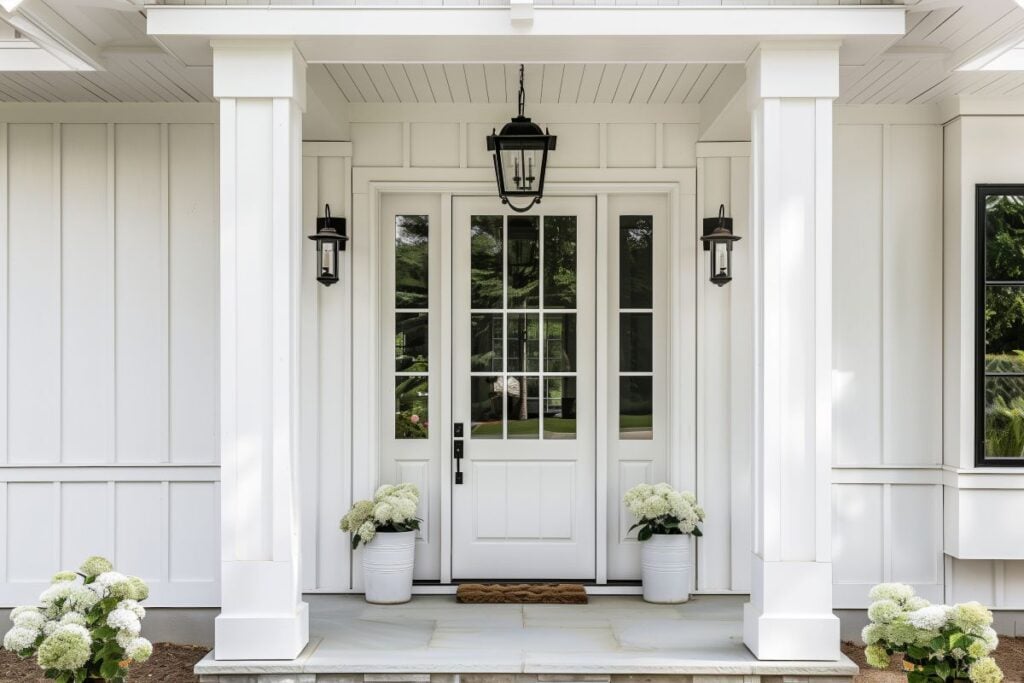
Board and batten siding is an exterior cladding pattern that alternates wide vertical boards with narrow vertical strips called battens, typically with the battens covering the seams between boards. The look originated as a practical solution for sealing wide barn planks against weather and has evolved into one of the most popular architectural details in residential design.
How Did Board and Batten Become a Modern Favorite?
Board and batten gained mainstream popularity through the modern farmhouse movement, which paired the vertical lines of board and batten with horizontal lap siding to create high-contrast, visually dynamic facades. The pattern is now widely used in modern, transitional, craftsman, and traditional homes because it adds visual height, breaks up large blank walls, and creates a strong architectural focal point. Homeowners in Pittsburgh and surrounding areas have embraced board and batten as a way to update aging vinyl or aluminum exteriors with a cleaner, more contemporary look.
- Visual height: Vertical boards draw the eye upward and make homes appear taller.
- Pattern versatility: Works as full-facade siding or as an accent on gables, dormers, and entry walls.
- Architectural fit: Suits modern farmhouse, craftsman, modern, transitional, and traditional styles.
- Material flexibility: Available in fiber cement, engineered wood, vinyl, and natural wood.
What Materials Are Used for Board and Batten Siding?
Modern board and batten siding is most commonly made from fiber cement, engineered wood, vinyl, or natural wood, each with different cost, lifespan, and maintenance profiles. Fiber cement from manufacturers like James Hardie carries a 30-year non-prorated, transferable substrate warranty, which is one of the longest warranties available on any residential siding product. Engineered wood products like LP SmartSide offer comparable durability at lower cost, while vinyl provides the most affordable entry point and natural wood delivers premium character with higher maintenance requirements.
- Fiber cement (James Hardie): 30-year warranty, $9 to $14 per square foot installed.
- Engineered wood (LP SmartSide): 50-year warranty, $7 to $11 per square foot installed.
- Vinyl board and batten: Lifetime warranty, $4 to $8 per square foot installed.
- Natural wood (cedar): 20 to 40-year lifespan, $9 to $16 per square foot installed.
8 Modern Board and Batten Siding Ideas
Each of the eight ideas below takes a different approach to integrating board and batten into a home’s exterior, with applications ranging from full-facade installs to focused accent walls. Read through with your home’s architecture, color palette, and budget in mind.
1. Full-Facade Board and Batten in White or Soft White
A complete board and batten facade in white, soft white, or cream is the signature look of the modern farmhouse style, and it remains one of the most popular siding directions for new builds and major renovations in Pittsburgh and surrounding areas. The clean vertical pattern, combined with a light color, creates a fresh, timeless exterior that pairs beautifully with black windows, dark gutters, and natural wood accents. Fiber cement is the material of choice here because the bright white needs to stay sharp without chalking or fading. Combine with metal roof accents over the porch or entry for a high-end finished look.
- Best material: Fiber cement with ColorPlus or factory-finished engineered wood.
- Color pairings: Tricorn Black or Iron Ore window trim, natural cedar accents.
- Typical cost: $15,000 to $35,000 for a full re-side on a typical home.
- Architectural fit: Modern farmhouse, transitional, coastal, and contemporary builds.
2. Dark Moody Board and Batten in Charcoal or Black
Dark board and batten in charcoal, deep navy, or true black has become a leading alternative to the all-white farmhouse look, especially on modern and contemporary builds. The dark facade creates a dramatic silhouette, hides dirt and weathering better than light colors, and pairs strikingly with white or warm wood trim. Black-painted fiber cement holds color exceptionally well, and dark vinyl and engineered wood options have improved dramatically with fade-resistant pigments. The look reads as architectural and intentional rather than trendy.
- Best material: Fiber cement with deep-tinted ColorPlus or pre-finished engineered wood.
- Color pairings: White or cream trim, warm cedar or ipe wood accents.
- Typical cost: $15,000 to $35,000 for a full re-side on a typical home.
- Architectural fit: Modern, contemporary, Scandinavian, and Japanese-inspired builds.
3. Mixed Board and Batten with Lap Siding
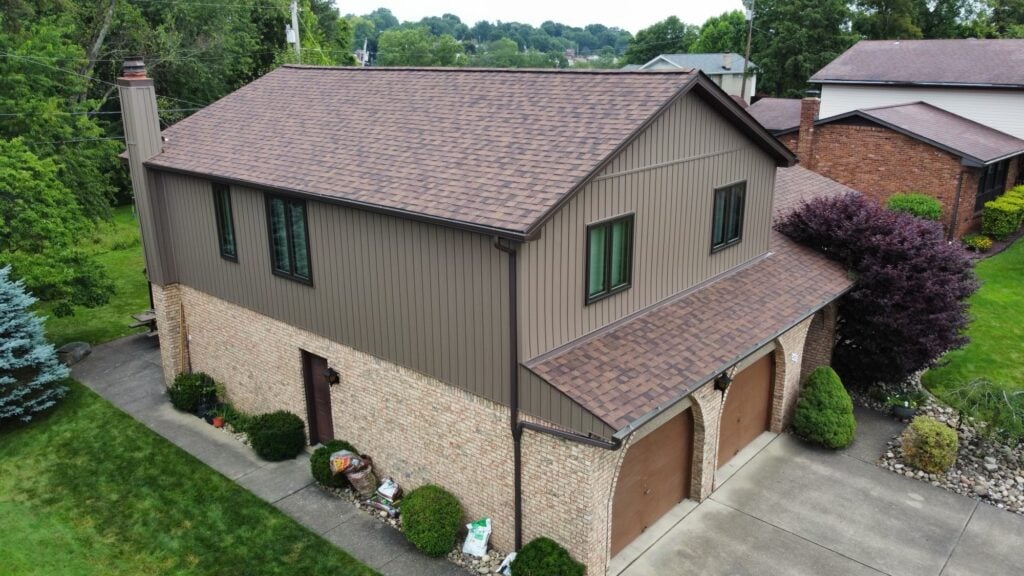
Combining board and batten on the upper half or gables with horizontal lap siding on the lower walls is one of the most effective ways to create visual interest and architectural depth. The two patterns play off each other and break up long facades, while the transition line between them creates a natural design break for accent colors or trim work. This approach also lets homeowners use a premium material like fiber cement on the focal areas while controlling overall cost. The pattern shows up frequently on craftsman, farmhouse, and transitional homes.
- Best application: Board and batten on gables or second floor, lap siding on first floor.
- Color strategy: Same color throughout, or contrasting tones for added drama.
- Typical cost: Comparable to a single-material full re-side.
- Architectural fit: Craftsman, farmhouse, transitional, and traditional builds.
4. Board and Batten Accent Wall Around the Entry
A focused board and batten accent on the front entry wall or porch area creates a strong architectural focal point without the cost of a full re-side. The pattern frames the front door, highlights the main approach to the home, and adds visual weight to what is often the most photographed part of the facade. This idea works particularly well on existing homes where the rest of the exterior is brick, stone, or lap siding. Pair with a bold front door color, sconces, and updated house numbers for a complete entry refresh.
- Best application: Front entry wall, porch ceiling backdrop, or two-story entry tower.
- Color strategy: Contrast color from the main facade for maximum impact.
- Typical cost: $3,000 to $8,000 for an accent-only install.
- Architectural fit: Almost any architectural style benefits from an accent at the entry.
5. Board and Batten on Gables Only
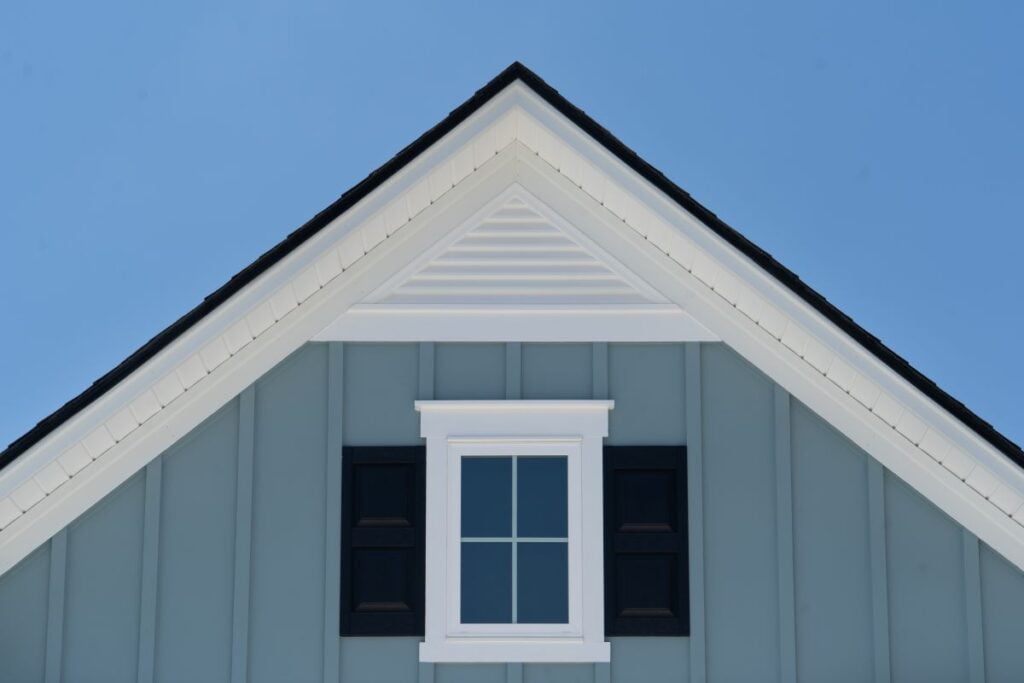
Board and batten on the gables only is a budget-friendly way to add the vertical pattern to a home without re-siding the entire exterior. The look mirrors the original farmhouse design tradition, where gable peaks often featured different siding from the main walls, and it adds character to ranches, capes, and split-levels that lack architectural detail. The relatively small surface area also allows homeowners to use premium materials like fiber cement without breaking the budget. Coordinate trim colors with the existing siding for a polished finished look.
- Best application: All gable ends, dormer faces, or specific gable peaks.
- Material choice: Fiber cement or engineered wood works well for small accent areas.
- Typical cost: $2,500 to $6,000 depending on number and size of gables.
- Architectural fit: Ranches, capes, split-levels, and any home with prominent gables.
6. Wide-Plank Modern Board and Batten
Wide-plank board and batten uses 12-inch or 16-inch boards with proportionally wider batten spacing for a more contemporary, less traditional look. The exaggerated proportions feel modern and intentional, and they suit larger homes where standard 8-inch or 10-inch board and batten can look busy. This direction works beautifully on modern, contemporary, and Scandinavian-inspired builds, and it is increasingly common on architect-designed custom homes across Pittsburgh and surrounding areas. Specify spacing in advance because the proportions are critical to the look.
- Best material: Fiber cement panel systems or engineered wood with custom batten layout.
- Board width: 12 to 16 inches with 16 to 24-inch batten spacing.
- Typical cost: Comparable to standard board and batten installations.
- Architectural fit: Modern, contemporary, Scandinavian, and minimalist builds.
7. Vertical Board and Batten with Stone or Brick
Combining board and batten with stone veneer or brick on the lower walls creates a rich, layered facade that reads as expensive and architectural. The stone or brick anchors the home visually, while the vertical board and batten above adds height and softens the heavier base. This combination works especially well on craftsman, traditional, and modern farmhouse builds, and it is one of the more popular high-end design directions for new construction. Coordinate stone, batten, and trim colors carefully because the combination of textures requires a unified palette.
- Best application: Stone or brick on the first floor, board and batten above.
- Color strategy: Pull batten tones from the stone palette for cohesion.
- Typical cost: $30,000-plus depending on stone selection and quantity.
- Architectural fit: Craftsman, traditional, modern farmhouse, and luxury custom builds.
8. Board and Batten in Sage, Sage Green, or Earth Tones
Sage green, olive, deep forest green, and warm earth tones have replaced gray as the trending neutral for board and batten facades. The colors feel organic, sophisticated, and warmer than gray, and they pair beautifully with natural stone, warm wood accents, and aged copper or brass fixtures. Sage and earth tones also handle Pittsburgh and surrounding areas weather well, hiding dust and pollen better than crisp whites and showing less heat than dark colors. Specify ColorPlus or factory-finished products for best color longevity.
- Best material: Fiber cement with ColorPlus or pre-finished engineered wood.
- Color pairings: Cream trim, natural cedar accents, warm brass or copper fixtures.
- Typical cost: $15,000 to $35,000 for a full re-side on a typical home.
- Architectural fit: Craftsman, transitional, modern farmhouse, and earthy contemporary builds.
How to Plan a Board and Batten Siding Project
Planning a board and batten install requires choices about material, board and batten proportions, color, and installation approach, all of which interact to shape both the look and the long-term performance. Homeowners in Pittsburgh and surrounding areas should walk through these decisions with a qualified contractor before committing.
What Should You Look at First?
Start by evaluating the architectural style of your home, because that drives the proportions, materials, and color directions that will actually work. A 1920s craftsman calls for narrower boards and tighter batten spacing than a modern minimalist build. Assess the existing exterior for damage, evaluate trim and window detailing, and decide whether board and batten will cover the full facade, specific gables, or just an accent area. Pittsburgh and surrounding areas building code requires permits for full re-side work, so factor that into the timeline.
- Architectural style: Matches board width, batten spacing, and color directions.
- Scope of work: Full re-side, gables only, accent walls, or hybrid combinations.
- Existing condition: Evaluate sheathing, weather barrier, and trim before quoting material.
- Building permits: Required for full re-side work and any structural changes.
How Much Will a Board and Batten Installation Cost?
Installed costs for board and batten siding vary by material and scope, with vinyl on the low end and fiber cement and natural wood on the high end. Vinyl board and batten in Pittsburgh and surrounding areas runs $4 to $8 per square foot installed, engineered wood runs $7 to $11, fiber cement runs $9 to $14, and natural cedar runs $9 to $16. A typical 1,800 to 2,200 square foot home with a 2,500 square foot exterior wall area falls between $10,000 and $40,000 depending on material and scope. Factor in trim work, fasteners, and waste at 10 to 15 percent.
- Vinyl pricing: $4 to $8 per square foot installed.
- Engineered wood pricing: $7 to $11 per square foot installed.
- Fiber cement pricing: $9 to $14 per square foot installed.
- Natural cedar pricing: $9 to $16 per square foot installed.
Frequently Asked Questions
How Long Does Board and Batten Siding Last?
Lifespan depends on material: fiber cement lasts 30 to 50 years, engineered wood lasts 30 to 50 years with proper maintenance, vinyl lasts 20 to 40 years, and natural cedar lasts 20 to 40 years with regular care. Quality installation directly affects how close any material gets to its maximum lifespan.
Can Board and Batten Be Installed Over Existing Siding?
In most cases, installing board and batten requires removing the existing siding to inspect the sheathing and install a proper weather-resistive barrier. Overlay installations are sometimes possible on sound existing surfaces, but they limit access to the structure underneath and can create alignment issues.
Is Board and Batten More Expensive Than Lap Siding?
Board and batten typically costs 10 to 20 percent more than lap siding in the same material, because the pattern requires more boards, more battens, and more fasteners per square foot. The added cost is most noticeable on fiber cement and natural wood and least noticeable on vinyl.
What Color Is Most Popular for Board and Batten Siding?
White, soft white, and cream remain the most popular colors for modern farmhouse-style board and batten, followed by charcoal, black, deep navy, and sage green. Color trends shift, but neutrals with strong contrast trim continue to dominate the residential market.
Does Board and Batten Increase Home Value?
A quality board and batten installation typically returns 60 to 75 percent of cost at resale through improved curb appeal and updated exterior condition, with the highest returns coming from fiber cement on homes that previously had aging vinyl or aluminum. Real estate listings with board and batten exteriors often photograph and show particularly well.
Do I Need a Licensed Contractor for Board and Batten Installation?
Pennsylvania requires home improvement contractors performing work over $500 to be registered with the state Attorney General’s office. Hiring a registered, insured contractor protects manufacturer warranties, ensures proper installation of the weather barrier, and reduces your liability if anything goes wrong.
Why McCormick Renovations Is the Right Partner for Your Board and Batten Siding Upgrade
McCormick Renovations brings hands-on experience, deep product knowledge, and a commitment to clean, code-compliant workmanship to every siding install we complete in Pittsburgh and surrounding areas. We help homeowners choose the right combination of material, board width, batten spacing, and color based on the architectural style of the home and the long-term performance goals. Whether you are planning a full board and batten re-side, a focused accent wall, or a hybrid lap-and-batten exterior, reach out to McCormick Renovations today for a free estimate. Our team will walk every wall, explain the tradeoffs, and design a siding system that lifts your curb appeal for decades.