If you have ever wondered “how long do windows last” and whether yours are due for replacement, the short answer is that most residential windows last 15 to 30 years before drafts, condensation, and rising energy bills make replacement the smarter choice. The exact number depends on the frame material, the climate, and how well the windows were installed in the first place. This guide walks through realistic lifespans by window type, then covers seven clear warning signs that point to replacement, so you can make a confident decision instead of throwing more money at failing units.
- Lifespan reality: Typical service life by frame material, from vinyl to wood to fiberglass.
- Warning signs: Seven specific indicators that mean it’s time to plan a replacement.
- Cost and savings: Expected investment, energy bill reductions, and ROI on new windows.
How Long Do Windows Typically Last?
Most residential windows last between 15 and 30 years, but the range is wide because frame material, glass package, climate exposure, and installation quality all shape real-world lifespan. Homeowners in Pittsburgh and surrounding areas often see windows underperform their published lifespan because freeze-thaw cycles and humidity stress the seals and frames every year.
What Lifespan Should You Expect by Window Material?
Different frame materials hold up differently under sun, moisture, and temperature swings. Vinyl windows typically last 20 to 40 years, wood windows last 30 years or more with proper maintenance, fiberglass windows last 30 to 50 years, and aluminum windows last 20 to 25 years before frame oxidation and seal failure become problems. The glass package itself, including the insulating gas between panes and the warm-edge spacer, generally lasts 15 to 25 years before the seal fails and condensation appears between the panes. That seal failure is one of the clearest signals the unit has reached the end of its useful life.
- Vinyl windows: Roughly 20 to 40 years depending on grade and color stability.
- Wood windows: 30-plus years when painted, sealed, and maintained on schedule.
- Fiberglass windows: 30 to 50 years with strong dimensional stability across temperature swings.
- Aluminum windows: 20 to 25 years before frame oxidation and thermal bridging become significant.
Why Do Some Windows Fail Sooner Than Expected?
Premature failure usually traces back to one of three causes: poor original installation, low-quality manufacturing, or harsh environmental exposure. Windows installed without proper flashing or shimming let water reach the rough opening, where rot and frame movement quietly destroy the unit from behind the trim. South- and west-facing windows take more UV punishment, which accelerates seal degradation and frame fading. Homes in Pittsburgh and surrounding areas with older single-pane or builder-grade double-pane windows often show signs of failure well before the published warranty period.
- Installation defects: Missing flashing, gaps in the air seal, and improper shimming all shorten lifespan.
- Sun exposure: West- and south-facing windows degrade faster than north-facing units.
- Moisture infiltration: Rotting sills and frames are a leading cause of premature replacement.
- Manufacturing quality: Builder-grade windows often use thinner frames and lower-grade seals than mid-tier replacement products.
7 Signs It’s Time to Replace Your Windows
The clearest way to know if your windows have reached the end of their useful life is to look for specific physical and performance signs. Read through the seven indicators below and count how many apply to your home, since multiple signs together usually point to whole-house replacement rather than spot repairs.
1. Drafts You Can Feel Near the Window
Persistent cold air near a closed window is one of the most common signals of failed weatherstripping or a degraded sash seal. Run your hand around the perimeter of each window on a cold or windy day, and pay attention to whether you feel air movement, especially at the meeting rail of double-hung units. A small amount of air infiltration is normal in older homes, but noticeable drafts mean the window is no longer sealing the building envelope and your heating system is working harder to compensate. Homeowners often notice the issue first in winter when seating near windows feels uncomfortable even at normal thermostat settings.
- Where to check: Sash perimeter, meeting rail, and the joint between frame and trim.
- What it costs you: Increased heating and cooling bills plus reduced indoor comfort.
- Simple test: Hold a lit incense stick near the seal and watch for smoke deflection.
- Repair vs. replace: New weatherstripping helps short term, but old sashes usually warrant replacement.
2. Condensation Between the Panes
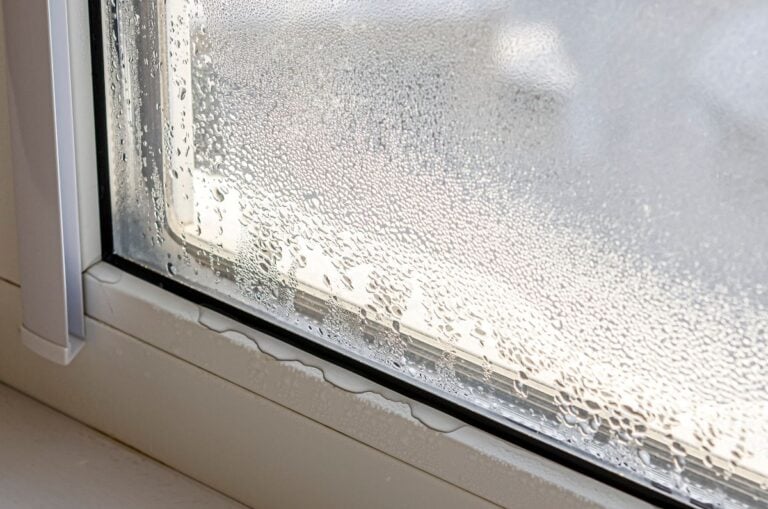
Condensation or fog between the two panes of glass means the insulating seal has failed and the inert gas fill has escaped, which eliminates much of the window’s thermal performance. Once the seal breaks, moisture cycles in and out of the gap, leaving permanent haze, mineral deposits, or visible water droplets. There is no practical repair for this failure on most insulated glass units, so the only real fix is replacing the sash or the entire window. Seal failure is one of the strongest indicators the window has reached end of life.
- Visual signal: Persistent fog, haze, or droplets between the two panes of glass.
- Performance loss: R-value typically drops 20% to 50% once the gas fill escapes.
- Repair window: Some manufacturers offer sash replacement under warranty if within term.
- Replacement need: Most older units lack a warranty path and require full replacement.
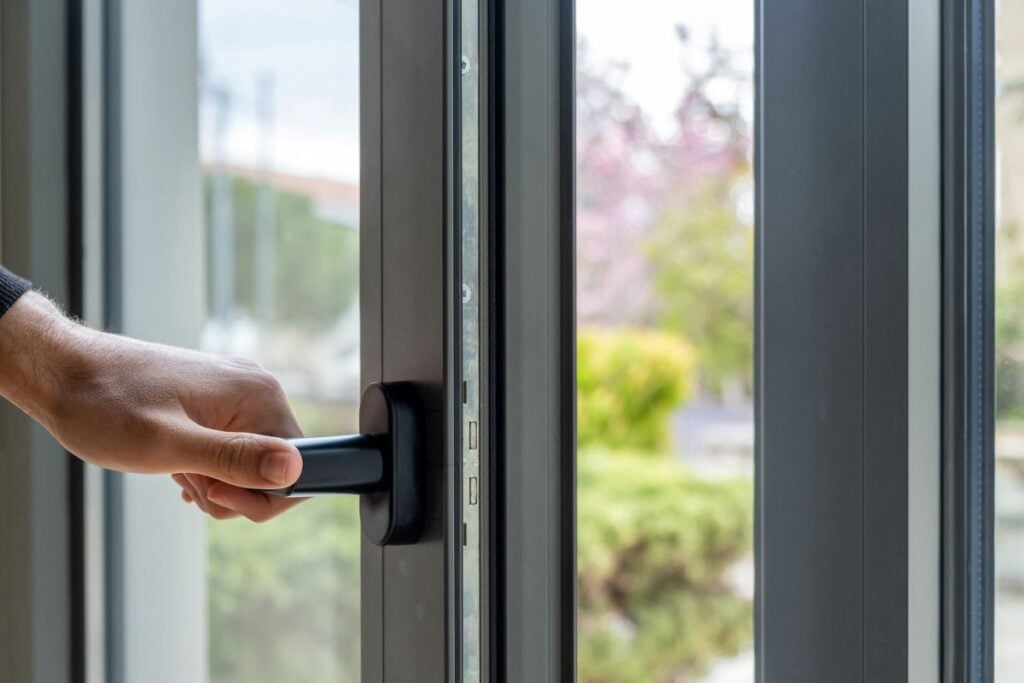
3. Difficulty Opening, Closing, or Locking
Windows that stick, refuse to stay open, or no longer lock properly usually indicate frame movement, hardware failure, or rot in the surrounding structure. A double-hung window that drops on its own has lost its balance system, and a casement that no longer closes flush has likely warped or settled out of square. Beyond the comfort issue, windows that do not lock properly create a security risk and often fail to seal against air and water. According to ENERGY STAR, replacing old single-pane windows with ENERGY STAR certified windows can lower household energy bills by an average of up to 13% nationwide, which gives homeowners a measurable financial reason to address aging windows promptly.
- Operational red flags: Sticking sashes, broken balances, and locks that no longer engage cleanly.
- Security impact: A window that won’t lock is a real safety concern.
- Energy impact: Even a small gap at the meeting rail can drive measurable bill increases.
- Structural cause: Frame movement often points to water damage in the rough opening.
4. Visible Damage to Frames or Sashes
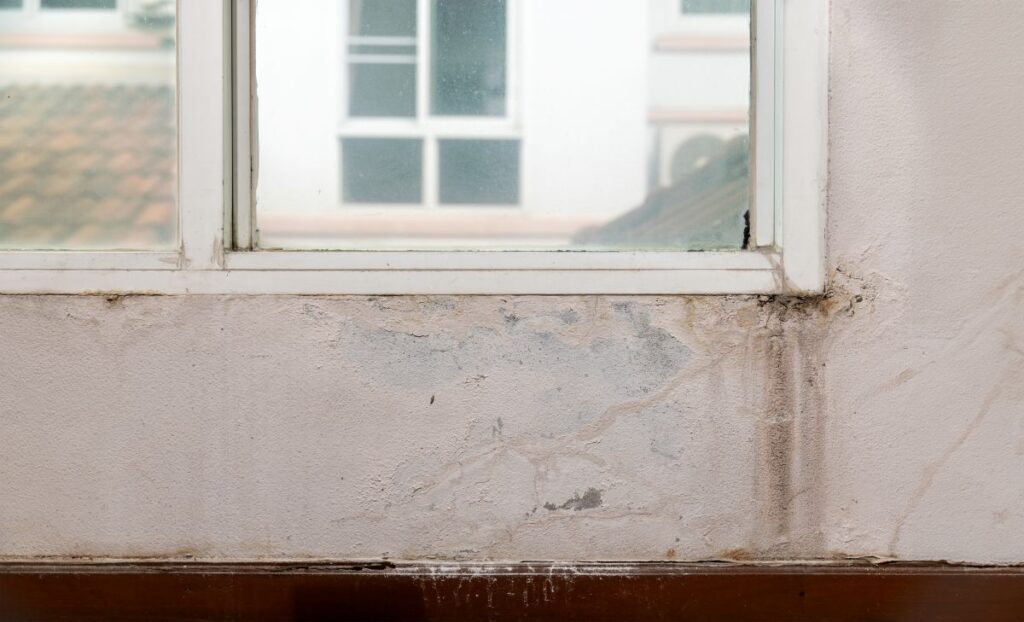
Cracked, rotted, warped, or chalking frames signal that the window has failed structurally even if the glass still looks intact. Wood frames develop soft spots and rot when paint and caulk are not maintained, vinyl frames warp under prolonged direct sun, and aluminum frames pit and oxidize in humid climates. Once a frame is compromised, it can no longer hold the sash square or maintain a tight seal, and any repair is usually short term. Visible damage is also a strong signal that water has entered the wall behind the window, which raises the priority of replacement.
- Wood damage: Rot at sills, peeling paint, and soft spots when probed with a screwdriver.
- Vinyl damage: Warping, fading, and cracking at corner welds.
- Aluminum damage: Pitting, oxidation, and corroded hardware.
- Hidden damage: Visible frame issues often indicate moisture problems behind the trim.
5. Rising Energy Bills With No Other Explanation
A steady upward trend in heating and cooling costs, even when usage habits have not changed, often points to building envelope failures including the windows. Single-pane windows and early-generation double-pane windows perform far below modern ENERGY STAR products, and as their seals degrade the gap widens further. Compare your annual heating and cooling costs against neighbors with similar-sized homes to gauge whether your envelope is underperforming. If the answer is yes, windows are usually one of the top three culprits along with attic insulation and air sealing.
- Trend to watch: Rising bills over multiple years without changes in occupancy or rates.
- Benchmarking: Compare against similar nearby homes for a reality check.
- U-factor difference: Modern ENERGY STAR windows can be two to three times more efficient than older units.
- Combined upgrades: Pair window replacement with insulation and air sealing for the biggest gains.
6. Outside Noise You Did Not Hear Before
Increasing outside noise inside the home often signals that window seals have degraded or that the glass package no longer dampens sound the way it once did. Modern dual-pane windows with laminated glass or asymmetric panes substantially reduce traffic, neighborhood, and weather noise, and the difference is immediately noticeable after replacement. If you find yourself raising your voice in rooms that used to feel quiet, your existing windows may be the cause. Acoustic comfort is one of the most underrated benefits of a window upgrade.
- Noise sources: Traffic, lawn equipment, neighbors, and weather all penetrate failing windows.
- Glass options: Laminated glass and dissimilar pane thicknesses both reduce sound transmission.
- STC ratings: Sound Transmission Class numbers help compare window performance.
- Comfort benefit: New windows frequently make rooms feel quieter, calmer, and more usable.
7. Water Damage on the Sill or Surrounding Wall
Water staining, peeling paint, or warped trim around a window means moisture is reaching surfaces it should not, and the source is usually the window itself or its flashing. Left unaddressed, water damage spreads into the wall cavity, where it can rot framing, ruin insulation, and create the conditions for mold growth. This is the most urgent of the seven signs because the cost of repair grows quickly once structural lumber gets involved. Replacing the window and correcting the flashing details is the right long-term fix.
- Visible cues: Water staining, peeling paint, and bubbling drywall below or beside the window.
- Hidden risk: Mold growth and framing rot inside the wall cavity.
- Urgency level: Address moisture issues immediately to prevent escalating damage.
- Proper fix: Full window replacement with new flashing tape and sill pan details.
How to Plan a Window Replacement
Window replacement is one of the larger investments a homeowner makes in any given decade, so planning the scope and budget carefully pays off. Homeowners in Pittsburgh and surrounding areas should think through frame material, glass package, climate zone, and installation method before signing a contract.
What Should You Look at First?
Start by deciding whether you need full-frame replacement or insert replacement, because that choice drives both cost and performance. Full-frame replacement removes the entire existing window down to the rough opening, which is the right call when there is rot, damaged trim, or a need to change window size or shape. Insert replacement keeps the existing frame and installs a new window inside it, which is faster and less expensive but locks you into the existing opening size. Pittsburgh-area homes in IECC Climate Zone 5 should target ENERGY STAR Northern climate zone certified windows for the best balance of performance and cost.
- Full-frame replacement: Best when frames are rotted or you want to change opening size.
- Insert replacement: Faster and cheaper when existing frames are sound and dry.
- Climate certification: Choose ENERGY STAR products certified for the Northern climate zone.
- Glass features: Look for low-E coatings, argon gas fills, and warm-edge spacers.
How Much Will New Windows Cost and Save?
Installed cost for replacement windows in Pittsburgh and surrounding areas typically runs $500 to $1,500 per window for vinyl, $800 to $2,000 for fiberglass, and $1,000 to $3,000 or more for wood. Annual energy savings vary by climate and existing window condition but commonly land between $125 and $465 per year for a whole-house replacement. Federal tax credits of up to 30% of materials, capped at $600 annually for windows, plus utility rebates can offset a meaningful share of the upfront cost.
- Vinyl pricing: Roughly $500 to $1,500 per window installed.
- Fiberglass pricing: Roughly $800 to $2,000 per window installed.
- Wood pricing: Roughly $1,000 to $3,000 per window installed.
- Tax credits: Federal Energy Efficient Home Improvement Credit covers up to 30% of qualifying window costs, capped at $600 per year.
Frequently Asked Questions
How Long Do Vinyl Windows Last?
Quality vinyl windows typically last 20 to 40 years before frame degradation or seal failure makes replacement worthwhile. Lower-grade builder vinyl often falls toward the bottom of that range, while premium multi-chamber vinyl with welded corners reaches the higher end.
Can You Replace Just the Glass and Save Money?
In some cases yes, particularly when the frame and sash are sound and only the insulated glass unit has failed. Glass-only replacement typically costs $200 to $500 per unit, but it does not address weatherstripping, hardware, or frame degradation, so it is not always the best long-term value.
Are Replacement Windows Worth the Money in Pittsburgh?
Yes, ENERGY STAR certified windows in Pittsburgh and surrounding areas typically deliver 7% to 15% lower annual energy costs along with substantial comfort and resale value gains. The Northern climate zone certification level matters more than brand alone for cold-climate performance.
How Long Does Window Replacement Take?
A full-house window replacement of 10 to 20 windows typically takes one to three days for a professional crew, with each window taking roughly 30 to 60 minutes to install. Custom shapes, full-frame installations, and large picture windows take longer.
Do New Windows Qualify for Tax Credits?
Yes, ENERGY STAR Most Efficient certified windows qualify for the federal Energy Efficient Home Improvement Credit, which covers 30% of material costs up to $600 per year for windows. Homeowners should keep manufacturer documentation and consult a tax professional for current rules.
Do I Need a Licensed Contractor for Window Replacement?
Pennsylvania requires home improvement contractors performing work over $500 to be registered with the state Attorney General’s office. Hiring a registered, insured contractor protects warranty coverage, ensures proper flashing and air sealing, and meets local building code requirements.
Why McCormick Renovations Is the Right Partner for Your Window Replacement
McCormick Renovations brings hands-on installation experience, deep product knowledge, and a commitment to clean, weather-tight workmanship to every window we install in Pittsburgh and surrounding areas. We help homeowners decide between full-frame and insert replacement, choose the right frame material and glass package for the climate zone, and avoid the installation shortcuts that cause premature failure. If your windows are showing any of the seven signs covered above and you want a clear, no-pressure recommendation backed by real numbers, reach out to McCormick Renovations today for a free consultation. Our team will walk every opening, explain the tradeoffs, and design a window replacement that pays you back in comfort and lower energy bills for decades.