A casement window is one of the most practical window styles you can install in a Pittsburgh home, combining strong ventilation with excellent energy performance and a clean, modern look. Casement windows swing outward on hinges (much like a door) and are controlled by a simple crank handle, which lets you open the entire window to catch a breeze or seal it tight against bad weather. This guide walks Pittsburgh homeowners through the six main benefits of casement windows, how they operate, when to replace them, and how they stack up against other popular window styles.
- 6 core benefits: From superior ventilation to top-tier energy efficiency and security.
- How they work: The crank mechanism, hinges, and tight-seal design that make casement windows unique.
- When to replace: Signs your casement windows have reached end of life and need to come out.
What Is a Casement Window?
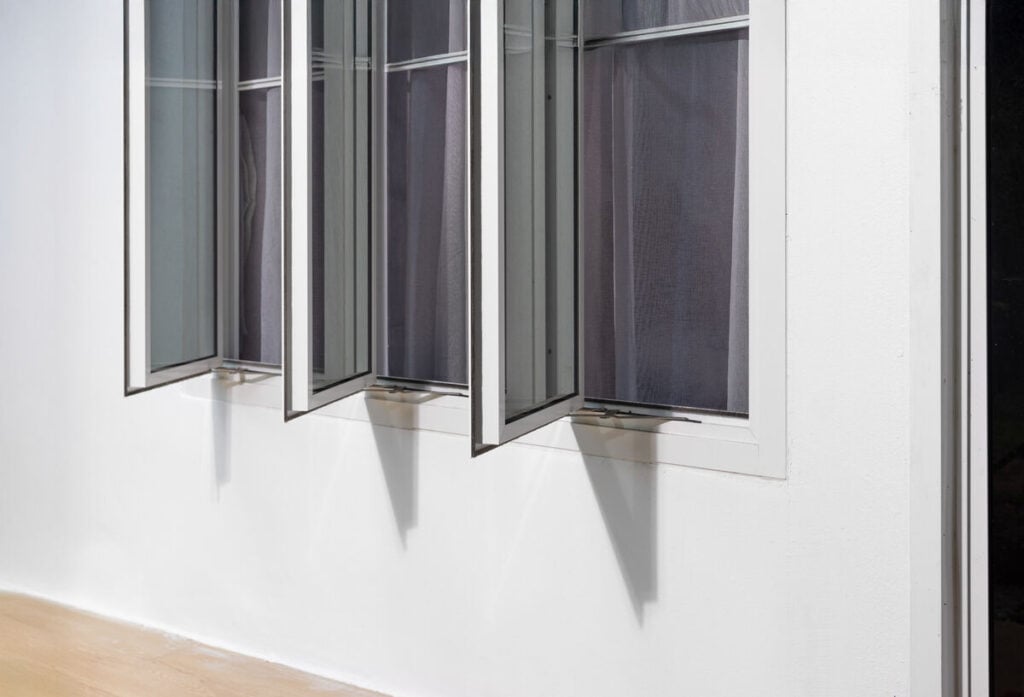
A casement window is a single-pane window hinged on one side (usually the left or right) that swings outward when you turn a crank handle. Unlike double-hung windows where only half the window opens at a time, a casement opens its full height, giving you dramatically more airflow and an unobstructed view when open.
Casement windows have been around for centuries (they predate the double-hung window by hundreds of years), but modern versions with insulated glass, weather-stripping, and multi-point locks have made them one of the most energy-efficient window styles you can buy today. They work well in kitchens, bathrooms, bedrooms, and anywhere else you want strong ventilation.
6 Benefits of Casement Windows
Casement windows deliver a distinctive combination of advantages that make them a popular choice for Pittsburgh homes. Each of the six benefits below helps explain why they belong on your consideration list.
1. Superior Ventilation
Casement windows catch breezes better than almost any other window style because their full-height opening acts like a sail, scooping air into the room. You can also angle a casement window to catch wind coming from the side (something double-hung and sliding windows simply can’t do). This makes casement windows ideal for kitchens, bathrooms, and other spaces where airflow matters most.
- Full-height opening: The entire window opens, not just half.
- Side-breeze capture: Angling the window catches wind from any direction.
- Cross-ventilation: Pair two casements on opposite walls for strong cross-breeze.
- Best rooms: Kitchens, bathrooms, bedrooms, and anywhere ventilation matters.
2. Strong Energy Efficiency
When a casement window closes, the sash presses tightly against the frame, creating an airtight seal that locks out drafts and keeps conditioned air inside. This gives casement windows some of the best energy performance ratings of any operable window style, especially compared to double-hung or sliding windows where the moving parts create more opportunities for air leakage over time.
- Airtight seal when closed: Multi-point locks pull the sash tight against the frame.
- Lower U-factor ratings: Among the best for operable window styles.
- Winter benefit: Reduces heat loss during Pittsburgh’s cold months.
- Summer benefit: Keeps air-conditioned air inside during hot stretches.
3. Unobstructed Views
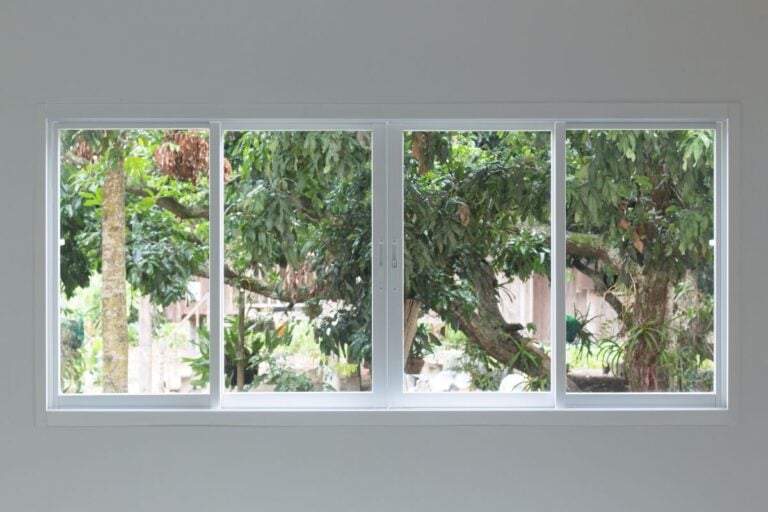
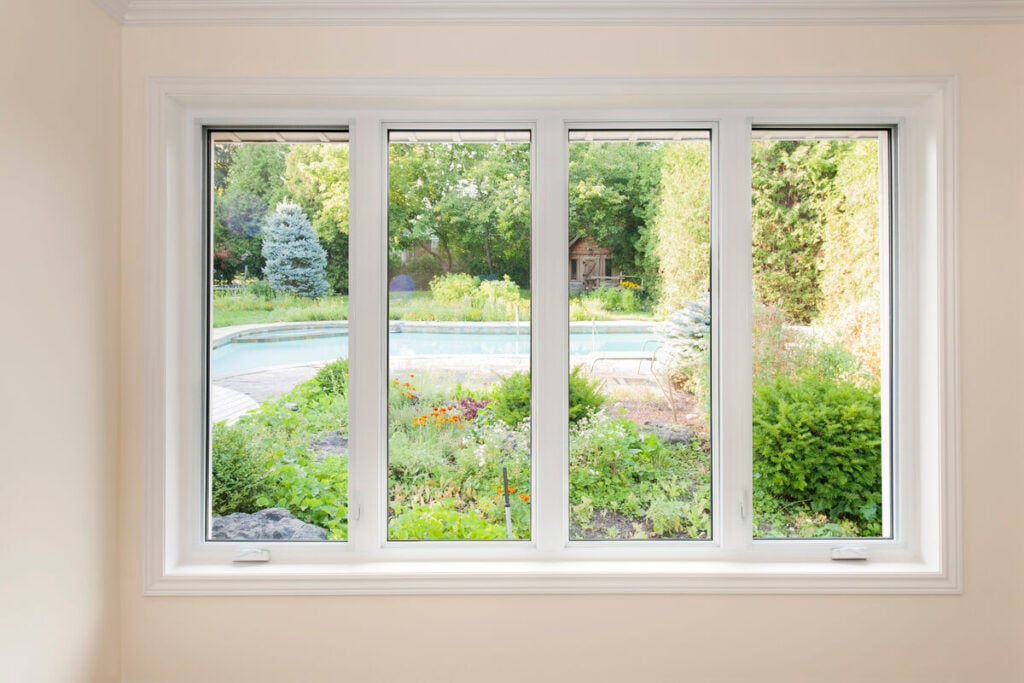
Because casement windows have no sash divider running horizontally through the middle (unlike double-hung windows), you get a clean, unobstructed view through the entire window. This makes casement windows especially popular for rooms facing a backyard, scenic view, or garden feature you want to see without interruption.
- No middle rail: Clean, uninterrupted view through the full window.
- Narrow frames available: Modern designs maximize glass area.
- View-focused rooms: Living rooms, dining rooms, and bedrooms benefit most.
- Pairs well with picture windows: Casements flanking a picture window provide view plus ventilation.
4. Easy Crank Operation
The crank handle at the bottom of a casement window makes opening and closing a casement window easy, even for homeowners with limited hand strength or mobility. A few turns of the crank fully opens or closes the window with minimal effort, which is a significant advantage over double-hung windows that require you to push a heavy sash up against gravity.
- Easy to open: Simple crank motion, no heavy lifting.
- Accessibility-friendly: Works well for homeowners with arthritis or limited mobility.
- Hard-to-reach locations: Great for over kitchen sinks or behind furniture.
- Smooth motion: Modern crank mechanisms operate quietly and reliably.
5. Enhanced Security
Casement windows are among the most secure window styles because of their multi-point locking system and the fact that the sash is hooked into the frame when closed. An intruder can’t pry open a locked casement from outside the way they can sometimes defeat older sliding or double-hung windows. The hook-shaped lock mechanisms engage multiple points along the sash, dramatically improving break-in resistance.
- Multi-point locks: Multiple locking points along the sash.
- Hooked frame engagement: Sash physically hooks into the frame.
- No lift points: Can’t be lifted or forced open from outside like some double-hung styles.
- Peace of mind: Important for first-floor rooms and ground-level access.
6. Design Flexibility
Casement windows come in a wide range of sizes, shapes, and configurations, which gives you plenty of design options for both new construction and replacement work. Narrow casements work well for tight wall spaces, large casements make dramatic focal points, and multi-casement combinations with picture windows in the center give you both view and ventilation in a single opening.
- Size range: From narrow 1-foot-wide units to large 4-foot-wide casements.
- Combinations: Mix with picture windows, awning windows, or other casements.
- Frame materials: Vinyl, wood, fiberglass, aluminum, and composite options.
- Grille patterns: Add grilles for traditional looks or leave clean for modern designs.
How Casement Windows Operate
Casement windows have a few simple components that work together to deliver smooth operation and a tight seal. Understanding how they work helps you maintain them properly and recognize when something isn’t right.
- Crank handle: The handle at the bottom (or occasionally top) that controls opening and closing.
- Operator mechanism: The gear system inside the frame that translates crank motion into window movement.
- Hinges: Attached to one side of the frame, allowing the window to swing outward.
- Multi-point lock: Engages multiple hooks along the sash to pull it tight against weather-stripping.
- Weather-stripping: The seal around the frame edge that keeps air and water out.
- Sash limiters: Prevent the window from opening too far in windy conditions.
Modern casement windows typically include safety features like fold-away crank handles (which get out of the way when not in use) and child-safe limiters that cap how far the window can open.
When to Replace Your Casement Windows
Casement windows generally last 20 to 30 years before replacement makes sense, but several specific signs tell you it’s time to replace rather than repair. Here’s what to watch for.
- Visible frame rot or damage: Soft, discolored, or cracking frame material (especially on wood casements).
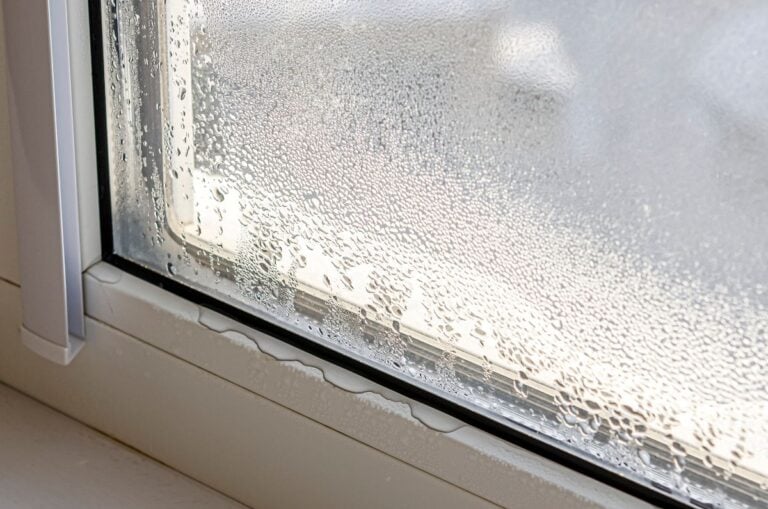
- Fogging between glass panes: Means the insulated glass seal has failed and the window is losing its energy efficiency.
- Difficult or stuck operation: Crank handles that won’t turn, won’t engage, or require significant force often signal failing operator mechanisms.
- Drafts around closed windows: If you can feel air moving around a closed casement, the weather-stripping or seal has failed.
- Water infiltration: Leaks around the frame or sill during rain mean the seal has compromised.
- Rising energy bills: A noticeable jump in heating or cooling costs with no other explanation often traces back to failing windows.
- Visible condensation inside the home: Especially in winter, cold frames can lead to interior condensation and even mold.
Casement vs. Other Window Styles
Understanding how casement windows compare to other popular styles helps you pick the right fit for each room.
- Casement vs. double-hung: Casement wins on ventilation and energy efficiency; double-hung wins on traditional appearance and interior cleaning convenience.
- Casement vs. sliding: Casement wins on seal tightness and ventilation; sliding wins on no exterior swing space needed.
- Casement vs. awning: Awning windows (hinged at the top) can stay open during light rain; casement provides more total airflow.
- Casement vs. picture: Picture windows offer bigger unobstructed views but no ventilation; casement provides view plus ventilation.
- Casement vs. bay/bow: Bay and bow windows add interior space and dramatic appearance; casement is simpler and less expensive.
Frequently Asked Questions
How much do casement windows cost in Pittsburgh?
Casement window costs in Pittsburgh typically run $500 to $1,400 per window installed, depending on size, frame material, glass package, and installation complexity. According to This Old House, casement windows cost between $600 and $1,400 on average nationwide, making them more expensive than some window styles but providing superior ventilation and energy efficiency.
How long do casement windows last?
Quality casement windows installed correctly typically last 20 to 30 years in Pittsburgh’s climate. Vinyl and fiberglass casements often reach the upper end of this range; wood casements may need frame maintenance or replacement sooner due to weather exposure.
Can casement windows be used with window air conditioners?
Casement windows generally don’t work with standard window air conditioners because the window opens outward and the AC unit needs to sit in a flat sash opening. If AC compatibility matters, consider double-hung or sliding windows instead, or plan for a mini-split or central AC system.
Are casement windows a good choice for Pittsburgh homes?
Yes, casement windows are a strong choice for Pittsburgh homes because of their energy efficiency during cold winters and strong ventilation during warm summers. Their tight seal helps reduce heating costs during the Pittsburgh winter, while their full-opening design helps during summer evenings when you want fresh air without running the AC.
Can I replace a double-hung window with a casement window?
Yes, in many cases a double-hung window can be replaced with a casement during a window replacement, though it may require some frame modifications. The right installer can evaluate your opening and recommend whether the replacement is practical. Changing styles sometimes affects interior and exterior trim too.
Do casement windows need special maintenance?
Casement windows need basic maintenance including occasional lubrication of the crank operator and hinges, periodic weather-stripping inspection, and standard glass cleaning. Modern casement windows are relatively low-maintenance compared to older designs.
Thinking About New Casement Windows for Your Pittsburgh Home?
Casement windows deliver a strong combination of ventilation, energy efficiency, security, and clean design that few other window styles can match. Whether you’re planning a full window replacement or adding casement windows to specific rooms where ventilation matters most, choosing the right size, frame material, and glass package makes the difference between a good window and one you’ll love for decades.
McCormick Renovations installs casement windows and full window replacement systems across Pittsburgh and surrounding areas, with more than 30 years of experience helping homeowners pick the right window style for each room of their home. If you’re considering casement windows or want to compare them against other options, contact McCormick Renovations for a free consultation and estimate.