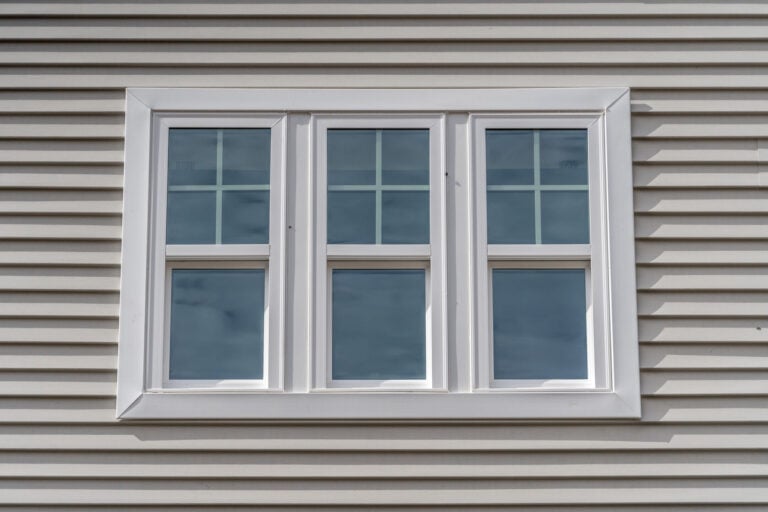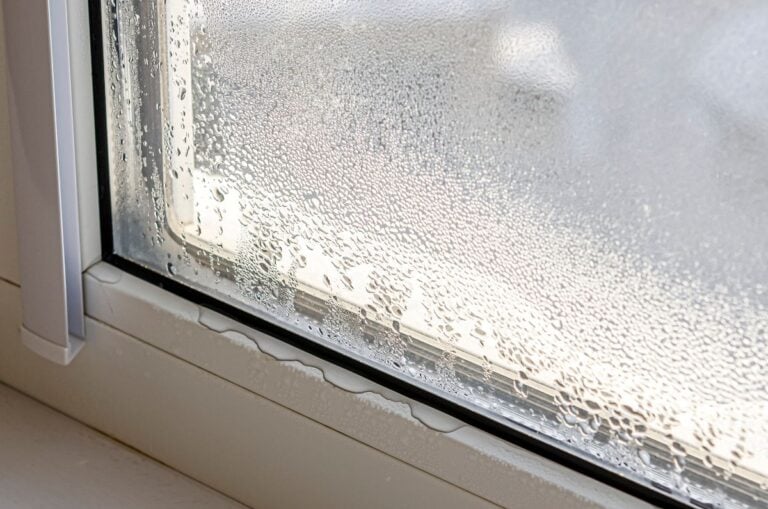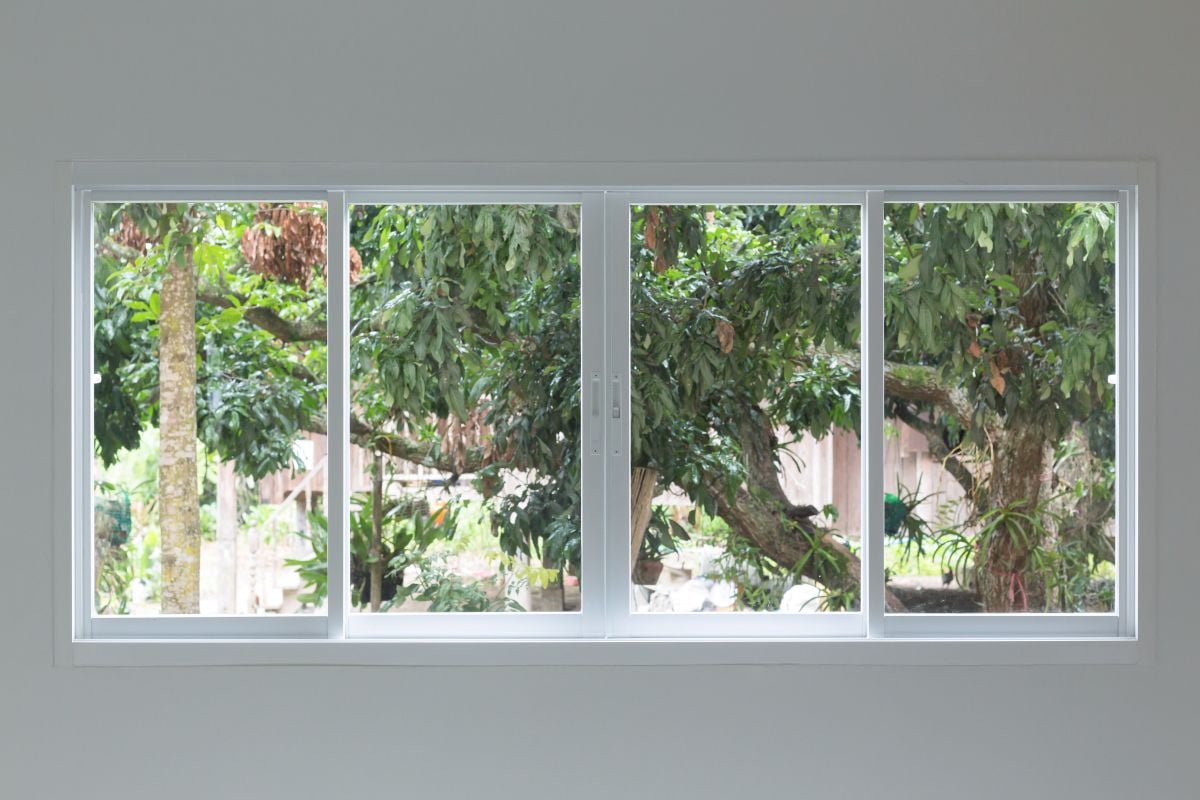
A picture window is one of the simplest and most impactful window styles you can install in your home, delivering wide, unobstructed views and floods of natural light without the mechanical complexity of an operable window. Pittsburgh homeowners often choose picture windows for living rooms, dining rooms, and stairwells where the goal is to frame a view or brighten a space rather than provide ventilation. This guide walks you through the six major benefits of picture windows, standard sizes, ideal installation locations, and how they compare to other window styles.
- 6 core benefits: From unobstructed views to energy performance advantages of fixed-pane construction.
- Standard sizes and design options: What to expect and how to plan for custom dimensions.
- Installation guidance and comparisons: Where picture windows shine and how they compare to other window styles.
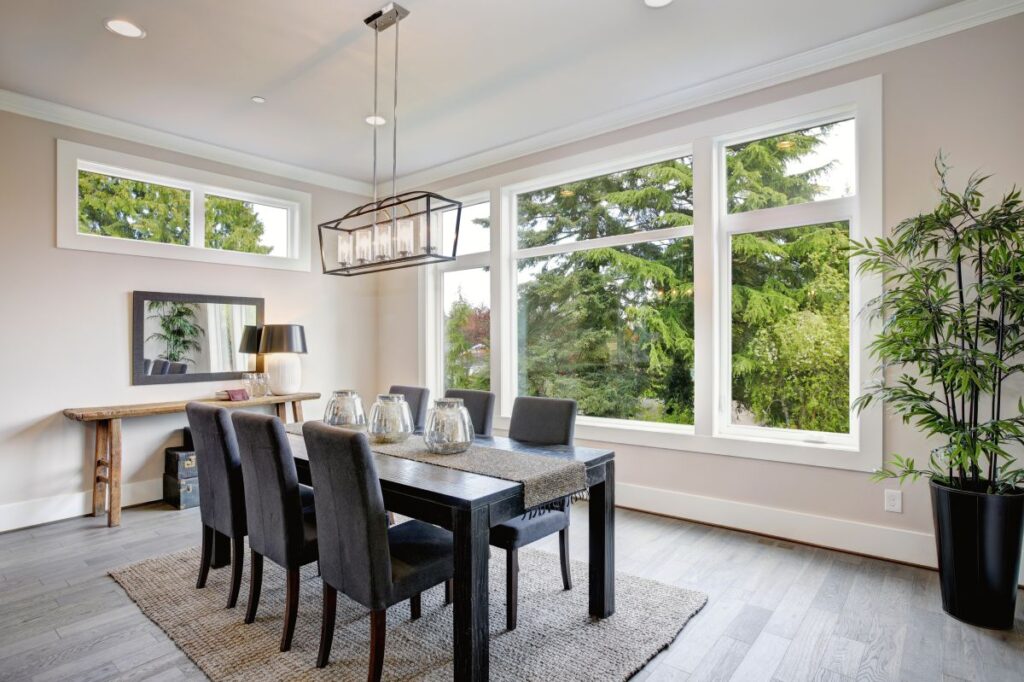
What Is a Picture Window?
A picture window is a large, fixed-pane window that does not open, designed primarily to frame views and admit maximum natural light. Because they have no moving parts, sashes, or hardware, picture windows are constructed with fewer sealing components than operable windows, which contributes to their strong energy performance and long service life.
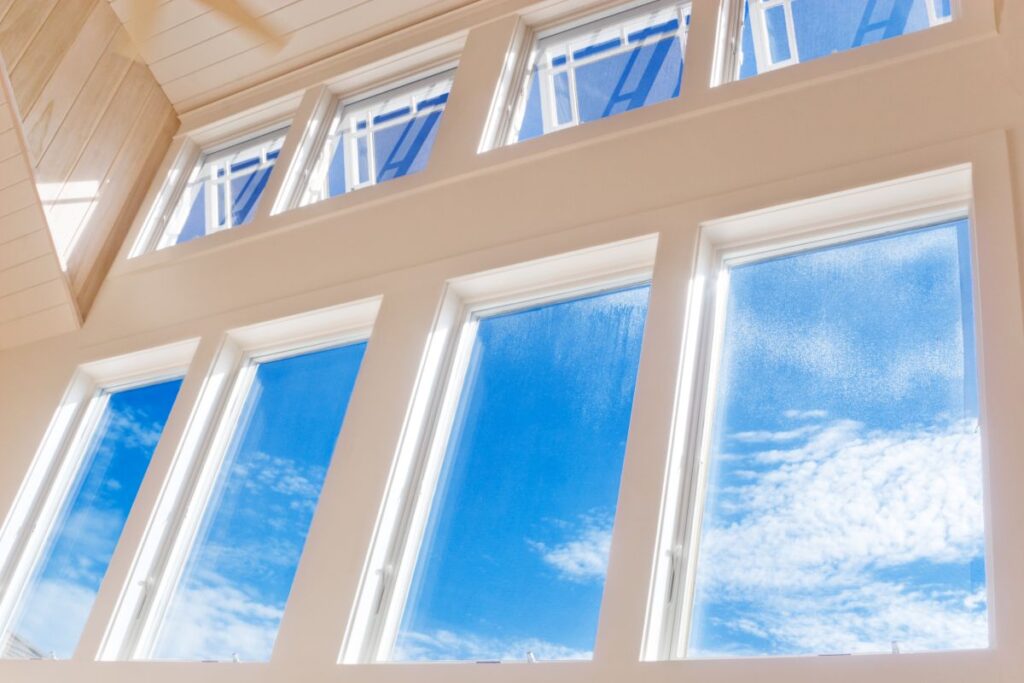
Picture windows can be installed as standalone units or combined with operable windows on either side (a common configuration called a “picture window with flankers”) to provide both view and ventilation. They are available in nearly any size, shape, and frame material, making them one of the most versatile window styles for both new construction and replacement work.
6 Benefits of Picture Windows
Picture windows deliver a distinctive combination of aesthetic and functional advantages that make them one of the most-installed window styles in Pittsburgh homes. Each of the six benefits below explains why they belong on your consideration list.
1. Unobstructed Views
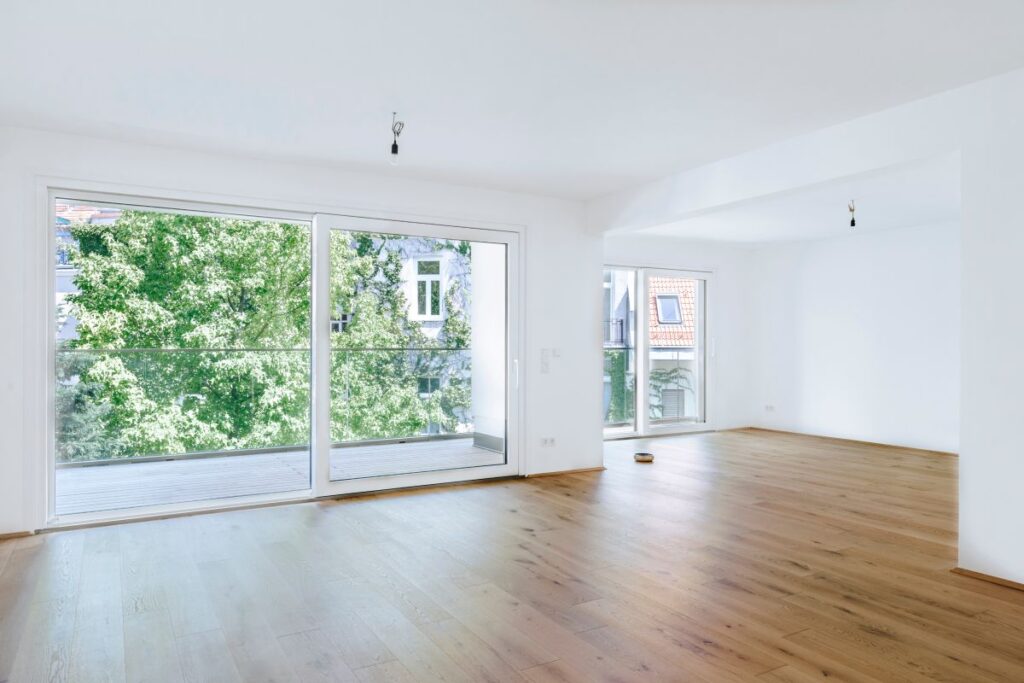
Picture windows deliver the widest, most unobstructed views of any window style because they have no sashes, muntins, dividers, or operating hardware in the way. This makes them ideal for framing scenic views, landscaping, or architectural features you want to showcase from inside the home. In Pittsburgh homes with tree-lined lots, hillside views, or downtown skyline exposure, a large picture window transforms an interior space into a natural focal point.
- No sash divisions: Uninterrupted glass expanses maximize view width.
- Frame options: Narrow-frame designs further minimize visual obstructions.
- Sizing flexibility: Can be sized to fit specific view compositions.
- Ideal locations: Living rooms, dining rooms, and rooms facing scenic exposures.
2. Maximum Natural Light
The absence of frame divisions and operating hardware also means picture windows admit more natural light per square foot than any other window style. Rooms with picture windows feel brighter and more open, reducing the need for artificial lighting during daylight hours. In Pittsburgh’s cooler climate where winter daylight is a premium resource, well-placed picture windows can significantly improve the mood and usability of interior spaces from October through March.
- Higher visible transmittance: More usable daylight enters the room.
- Reduced artificial lighting: Lower daytime electricity use.
- Wellbeing benefits: Natural light supports mood, sleep patterns, and daily rhythm.
- Ideal for: North-facing rooms and interior spaces that need brightness.
3. Enhanced Energy Efficiency
Because picture windows do not open, they have no operating hardware that can develop air leakage over time. This eliminates one of the leading causes of window energy loss and gives picture windows a natural energy performance edge over operable window styles. According to ENERGY STAR, replacing old windows with certified energy-efficient models lowers household energy bills by an average of up to 13 percent nationwide, and fixed-pane picture windows often deliver among the strongest performance in the ENERGY STAR-qualified lineup.
- No air leakage from hardware: Fixed construction eliminates weather-stripping wear.
- Superior U-factor: Simpler construction supports lower U-factor ratings.
- Full-panel insulation: No sash divisions that reduce insulating glass area.
- Long-term performance: No moving parts to degrade energy performance over time.
4. Lower Cost Than Operable Windows
Picture windows typically cost less than operable window styles of the same size because they use fewer components (no sash, hardware, weather-stripping, or operating mechanisms). This makes them an efficient way to add square footage of glass to a room without the higher per-window cost of double-hung, casement, or awning windows. For homeowners planning a whole-home window replacement, combining picture windows with strategically placed operable windows delivers both view and ventilation at a lower total cost.
- Fewer components: No sash, hardware, or operating mechanisms to manufacture.
- Larger sizes for less: Cost-effective way to add large glass expanses.
- Bundling strategy: Combine with operable windows for balanced cost and function.
- Installation labor: Simpler installation than operable window styles.
5. Zero Maintenance on Moving Parts
Picture windows have no moving parts, which means no springs to fail, no balances to replace, no locks to lubricate, and no weather-stripping to wear out from repeated opening and closing. Maintenance is limited to occasional cleaning and inspection of the exterior caulk and interior finish. Over a 30 to 40 year window lifespan, this can save homeowners hundreds of dollars in repair calls compared to operable windows.
- No spring or balance failures: Common failure points on operable windows don’t exist.
- No lock or handle repairs: Zero operating hardware to fail.
- Longer weather-stripping life: Only perimeter seals, no operating seals.
- Simple cleaning: Interior and exterior glass cleaning is straightforward.
6. Design Flexibility and Curb Appeal
Picture windows are available in nearly any size, shape, and frame material, and can be custom-fabricated to fit architectural openings that standard operable windows cannot. This flexibility supports distinctive design choices like arched top windows, oversized bay-area windows, and floor-to-ceiling installations that dramatically boost curb appeal. For Pittsburgh homes with architectural character, picture windows often become the defining exterior feature.
- Custom shapes: Round-top, arched, octagonal, and geometric shapes available.
- Custom sizes: Oversized dimensions for dramatic architectural impact.
- Frame material options: Vinyl, wood, fiberglass, aluminum, and composite frames.
- Architectural focal point: Often become the defining feature of a room or facade.
Standard Picture Window Sizes
Picture windows are available in a wide range of standard sizes, with custom fabrication available for non-standard dimensions. Understanding the standard sizes helps you plan around common architectural openings and material availability.
- Small (2 to 3 feet wide): Common for stairwells, kitchen accents, and secondary rooms.
- Medium (4 to 5 feet wide): Standard for bedrooms, home offices, and dining rooms.
- Large (6 to 8 feet wide): Common for living rooms and main gathering spaces.
- Extra-large (8 to 12 feet wide): Used for scenic view rooms, great rooms, and custom builds.
- Heights: Standard heights range from 2 feet to 8 feet; taller custom heights available.
- Custom fabrication: Manufacturers can typically produce picture windows up to 8 feet by 12 feet in a single unit.
Where to Install Picture Windows in Your Home
Picture windows work best in rooms where view and light matter more than ventilation. Certain rooms consistently rank as the best candidates for picture window installation.
- Living rooms: Frame outdoor views and create bright, welcoming gathering spaces.
- Dining rooms: Create backdrop for meals and admit natural light.
- Stairwells and landings: Add drama and light to often-dark transitional spaces.
- Home offices: Provide focus-friendly light without operable window distractions.
- Great rooms: Support the open, spacious feel typical of modern great rooms.
- Locations to avoid: Bathrooms, kitchens, and bedrooms where ventilation is important require operable window styles instead.
Picture Windows vs. Other Window Styles
Understanding how picture windows compare to other common window styles helps you plan a balanced window mix for your Pittsburgh home.
- Picture vs. double-hung: Picture wins on view and energy efficiency; double-hung wins on ventilation and traditional appearance.
- Picture vs. casement: Both offer excellent energy performance; casement adds ventilation, picture offers wider unobstructed view.
- Picture vs. bay/bow: Bay and bow windows add interior square footage and architectural depth; picture is simpler and less expensive.
- Picture vs. awning: Awning windows can open during rain; picture is fixed but offers larger sizes and better views.
- Combining styles: The most successful window plans combine picture windows for view and light with operable styles for ventilation.
Frequently Asked Questions
Can a picture window be opened?
No, picture windows are fixed and do not open. They are designed as view and light windows rather than ventilation windows. If you need ventilation in a room, plan for operable windows adjacent to the picture window (a “picture with flankers” configuration).
How much does a picture window cost in Pittsburgh?
Picture window costs in Pittsburgh typically run $300 to $1,200 per window installed depending on size, frame material, glass package, and installation complexity. Custom sizes, specialty shapes, and premium materials (fiberglass, wood-clad) push pricing to the upper end or beyond.
Are picture windows more energy efficient than operable windows?
Yes, picture windows typically deliver superior energy performance because their fixed construction has no operating hardware that develops air leakage over time. This gives them lower U-factor and air leakage ratings than comparable operable window styles.
How large can a picture window be?
Standard picture window sizes commonly reach 8 feet by 12 feet as a single unit, though custom manufacturing can produce even larger sizes for architectural applications. Very large picture windows may require tempered or laminated glass for safety code compliance.
Do picture windows qualify for a federal tax credit?
The federal Energy Efficient Home Improvement Credit (Section 25C) that previously covered ENERGY STAR windows was eliminated by the One Big Beautiful Bill Act for installations placed in service after December 31, 2025. Check with a tax professional about state or local rebate programs that may still apply.
Can picture windows be added to existing homes?
Yes, picture windows can be added to existing homes as either a full-frame replacement or new opening installation. New openings require framing modifications, header adjustments, and exterior siding or brick work, which increases the total installation cost significantly.
Add a Picture Window to Your Pittsburgh Home
Picture windows deliver a distinctive combination of view, natural light, energy performance, and design flexibility that few other window styles can match. Whether you are planning a whole-home window replacement or adding a single dramatic picture window to a specific room, choosing the right size, frame material, and installation approach makes the difference between a good window and a defining feature of your home.
McCormick Renovations installs picture windows and full window replacement systems across Pittsburgh and surrounding areas, and our team walks every homeowner through material, size, and glass package options that fit both your home’s architecture and your long-term energy performance goals. If you are considering a picture window for your home, contact McCormick Renovations for a free consultation and estimate.