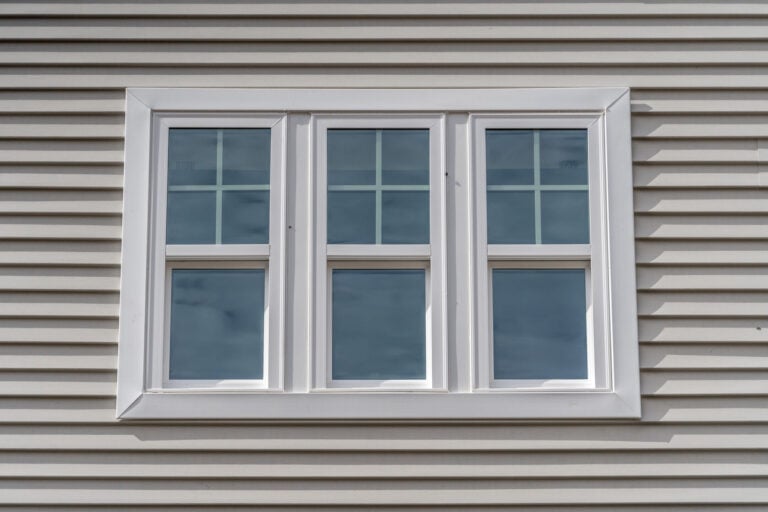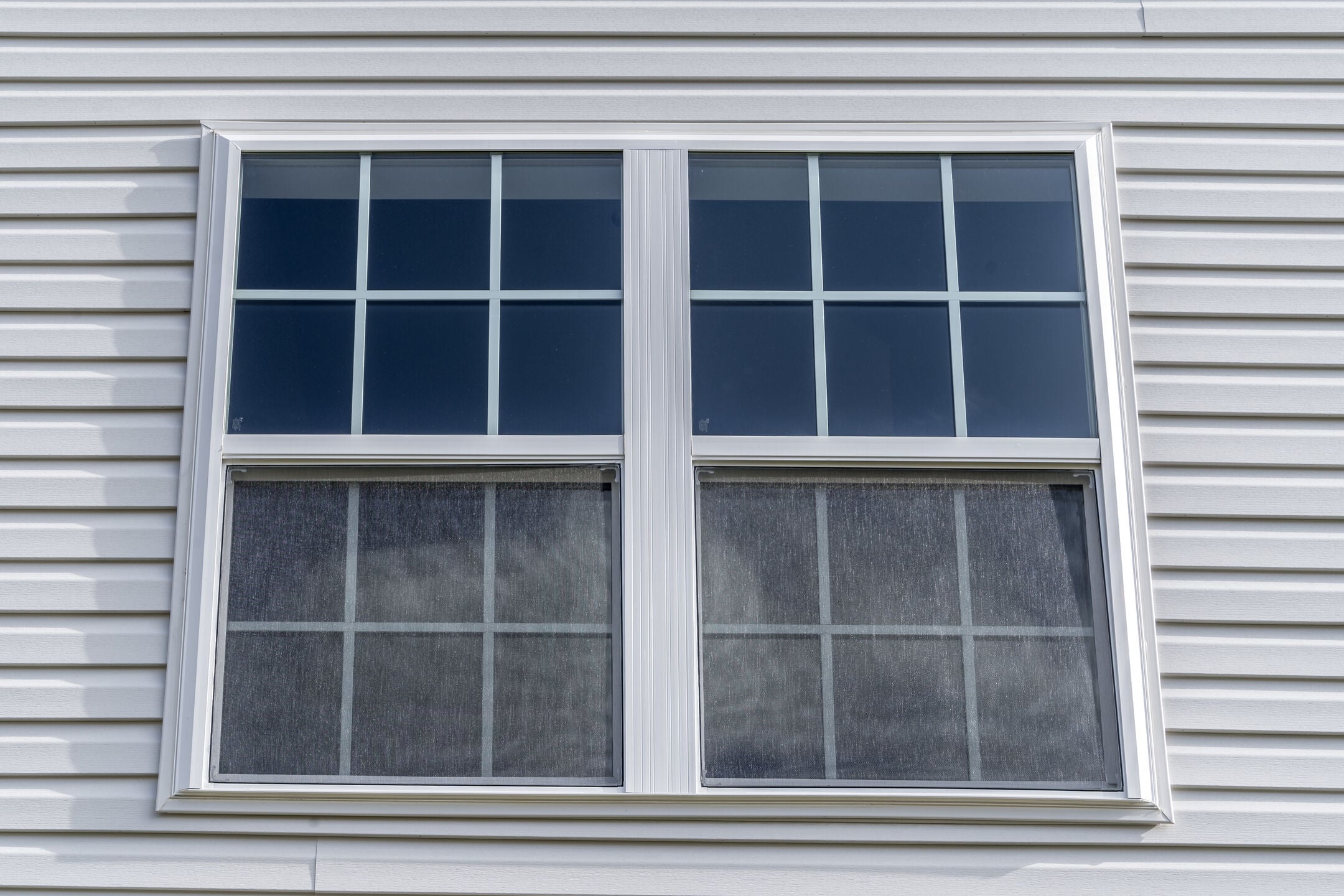
A double hung window is the most popular window style in American homes, with two sashes that both slide up and down independently to give you flexible ventilation, easy cleaning, and the classic look that fits almost any home style. If you’re planning window replacement or trying to figure out whether your current windows are nearing end of life, understanding how double hung windows actually work (and the specific signs that tell you it’s time to replace them) helps you make smart decisions. This guide walks Pittsburgh homeowners through the mechanics, the four main replacement warning signs, and how double hung windows compare to other popular styles.
- How double hung windows actually work: The sashes, balances, and seals that keep them running smoothly.
- 4 clear replacement signs: The specific issues that mean repair isn’t going to cut it anymore.
- Benefits and comparisons: Why double hung remains the most popular style and when another window style might fit better.
What Is a Double Hung Window?
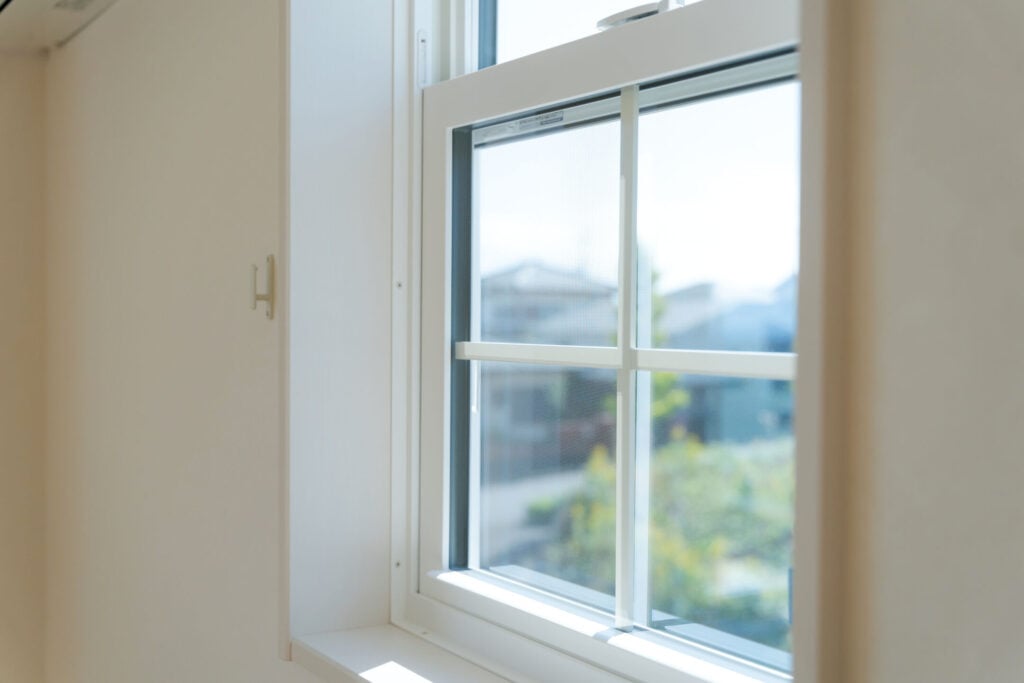
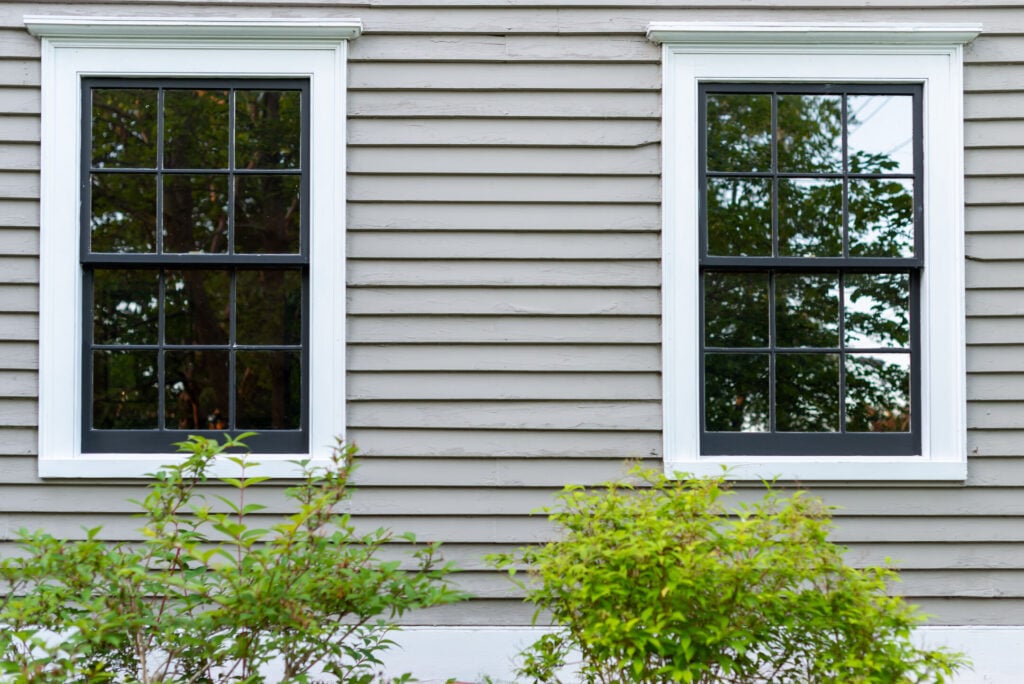
A double hung window has two vertically stacked sashes (the moving panels that hold the glass), both of which can slide up and down. The bottom sash lifts up and the top sash slides down, which gives you a few different ways to ventilate a room: open the bottom for a traditional opening, open the top for warm air to escape near the ceiling, or open both for a strong chimney-effect airflow that pulls air through the room naturally.
Double hung windows are the most installed window style in American homes by a wide margin, popular because they work in virtually every room, suit almost every architectural style, and come in nearly every frame material and glass package you can imagine. Modern versions tilt inward for easy cleaning from inside the home, which makes them especially practical for second-story bedrooms where exterior cleaning would otherwise require a ladder.
How Double Hung Windows Work
Both sashes in a double hung window move inside tracks on either side of the frame, held in position by spring-loaded balance mechanisms hidden inside the jambs (the vertical sides of the window frame). When you lift a sash, the balance supports its weight so it stays put at whatever height you set it, rather than sliding back down on its own.
- Sash: The movable frame holding the glass; there are two sashes (upper and lower) in a double hung window.
- Balance: A spring-loaded mechanism inside the jamb that supports the sash weight.
- Jamb: The vertical sides of the window frame.
- Check rail: The horizontal rail where the upper and lower sashes meet when the window is closed.
- Sash lock: A latch on the check rail that locks the two sashes together when closed.
- Tilt latches: Small levers on each sash that let you tilt the sash inward for cleaning.
- Weather-stripping: Seals around the sash edges that keep air and water out when the window is closed.
Older double hung windows (common in Pittsburgh homes built before 1960) often used heavy iron weights hidden in pulleys and ropes inside the wall instead of modern spring balances. Those systems work surprisingly well when maintained but are harder to repair when they fail.
4 Signs It’s Time to Replace Your Double Hung Windows
Not every double hung window problem calls for replacement. Some issues can be fixed with new weather-stripping or a replacement balance. But the four signs below usually mean your windows have reached end of life and replacement delivers better long-term value than another repair.
1. Drafts You Can Feel Around the Closed Window
If you can feel air moving around a closed double hung window, the weather-stripping has failed, the sash has warped, or the window has separated from the frame. Light drafts might be fixable with new weather-stripping, but noticeable drafts usually indicate deeper problems that repair won’t solve. Pittsburgh homeowners feel this most during cold winter days when the temperature difference makes air movement obvious.
- Winter indicator: Noticeable cold air near windows on cold days.
- Candle test: Hold a candle near the window; a flickering flame confirms air movement.
- Energy bill connection: Rising heating costs often trace back to window drafts.
- Repair vs replace: Minor drafts may be weather-stripping; significant drafts usually mean replacement.
2. Foggy or Hazy Glass Between the Panes
Modern double hung windows have insulated glass units (two panes with a sealed air or argon gas space between them). When the seal fails, moisture gets inside and shows up as fogging, haziness, or visible water droplets between the panes that no amount of cleaning will remove. Once the seal fails, the window loses most of its energy efficiency and the only real fix is replacement of the full insulated glass unit or the whole window.
- Visual sign: Permanent haze or fog between the panes that won’t wipe off.
- Water droplets: Visible moisture or water marks inside the glass.
- Efficiency loss: Failed seals mean dramatically worse energy performance.
- Repair option: Insulated glass units can sometimes be replaced without replacing the full window.
3. Difficult or Stuck Operation
If your double hung windows won’t stay open on their own (they slide back down when you let go), stick in the tracks, require force to raise or lower, or won’t lock properly, the balance mechanisms have failed. Spring balances in modern windows can be replaced, but when multiple windows fail at once (common in homes with same-vintage windows), the labor cost of individual repairs often approaches the cost of replacement for better overall windows.
- Sashes that fall: Balance mechanism has failed to support the sash weight.
- Stuck or sticky operation: Tracks have accumulated grime or paint, or the frame has warped.
- Lock problems: Sashes no longer align properly with the lock mechanism.
- Multi-window failures: Several windows failing together often signals age-related end of life.
4. Visible Damage to Frame or Sash
Rotted wood, cracked vinyl, warped frames, or significant paint peeling are visible signs that your double hung windows have reached end of life. Wood frames in Pittsburgh’s climate are particularly susceptible to water damage along the bottom sill, where moisture collects. Once the structural components have failed, repair becomes more expensive than replacement and doesn’t deliver reliable long-term results.
- Wood rot: Soft, discolored, or crumbling wood anywhere on the frame or sash.
- Vinyl cracking: Visible cracks in vinyl frames (especially on sun-exposed walls).
- Paint failure: Peeling or bubbling paint signals moisture issues underneath.
- Warping: Sashes that no longer meet squarely at the check rail.
Benefits of Double Hung Windows
Several practical benefits keep double hung windows the most popular residential window style, and these reasons help explain why they’re worth considering during a window replacement.
- Flexible ventilation: Open the top, bottom, or both for different airflow patterns.
- Easy interior cleaning: Modern tilt-in sashes let you clean the exterior glass from inside, which is huge for upper-story windows.
- Child safety option: Open only the top sash for airflow while keeping the bottom closed and away from small children.
- Classic appearance: Fits virtually any home style from colonial to modern.
- Wide material and size options: Available in vinyl, wood, fiberglass, aluminum, and composite frames in nearly any size.
- Window AC compatibility: Standard window air conditioners fit into double hung openings easily.
- Resale appeal: The familiar double hung design appeals to the broadest range of homebuyers.
Double Hung vs. Other Window Styles
Understanding how double hung windows compare to other popular styles helps you pick the right one for each room.
- Double hung vs. single hung: Single hung has only one movable sash (the bottom); double hung has two. Double hung costs more but offers more ventilation options and easier cleaning.
- Double hung vs. casement: Casement opens outward with a crank; double hung slides up and down. Casement wins on ventilation and energy efficiency; double hung wins on traditional appearance and AC compatibility.
- Double hung vs. sliding: Sliding windows move horizontally; double hung move vertically. Each works better in different wall layouts.
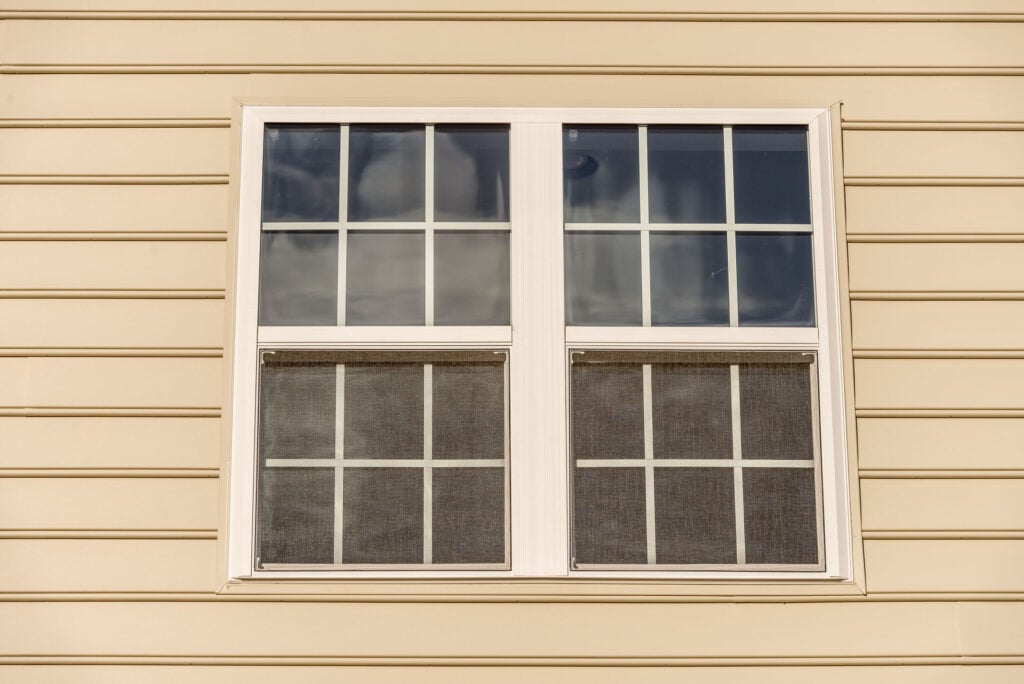
- Double hung vs. picture: Picture windows don’t open at all; double hung provides ventilation. The two often pair nicely with picture windows in the center flanked by double hung on the sides.
Frequently Asked Questions
How much do double hung windows cost in Pittsburgh?
Double hung window costs in Pittsburgh typically run $400 to $900 per window installed for mid-range vinyl, $500 to $1,200 for fiberglass or composite, and $800 to $1,800 or more for premium wood frames. According to This Old House, double hung windows generally cost $250 to $800, depending on size, material, and features.
How long do double hung windows last?
Quality double hung windows installed correctly typically last 20 to 30 years in Pittsburgh’s climate. Vinyl and fiberglass windows often reach the upper end of this range; wood windows may need frame maintenance or sash replacement sooner due to weather exposure.
Why are double hung windows so popular?
Double hung windows are the most popular residential window style in America because they offer flexible ventilation, easy cleaning (modern tilt-in sashes), classic appearance that fits any home style, wide material options, and window AC compatibility. They work well in virtually every room of a typical Pittsburgh home.
Can I repair a broken double hung window instead of replacing it?
Yes, in many cases. Balance mechanisms, weather-stripping, locks, and even individual insulated glass units can be replaced without replacing the full window. Repair makes sense when the frame remains sound and only one or two components have failed. Replace when multiple issues develop at once or when the frame has rotted, warped, or cracked.
How do I clean the outside of a double hung window?
Modern double hung windows have tilt-in sashes that let you clean the exterior glass from inside your home. Release the tilt latches at the top of each sash, tilt the sash inward until it’s roughly horizontal, and clean the exterior face from inside. This feature matters most for second-story windows where ladder access is dangerous or impractical.
Should I replace all my windows at once or one at a time?
Replacing all windows at once typically costs less per window (contractors offer better per-unit pricing on larger scope), delivers more consistent appearance across the home, and takes less total disruption than multiple separate installations. If budget is a concern, replace the worst windows first and plan for a second phase within a few years.
Plan Your Pittsburgh Double Hung Window Replacement
Double hung windows deliver a strong combination of flexibility, easy cleaning, and classic appearance that make them the most popular window style in American homes for a reason. Whether you’re planning a full window replacement or addressing a specific set of worn-out windows, understanding how they work and when to replace them puts you in a stronger position to make smart decisions.
McCormick Renovations installs double hung windows and full window replacement systems across Pittsburgh and surrounding areas, with more than 30 years of experience helping Pittsburgh homeowners pick the right window style for every room. If you’re considering double hung windows or trying to decide between replacement and repair, contact McCormick Renovations for a free consultation and honest estimate.