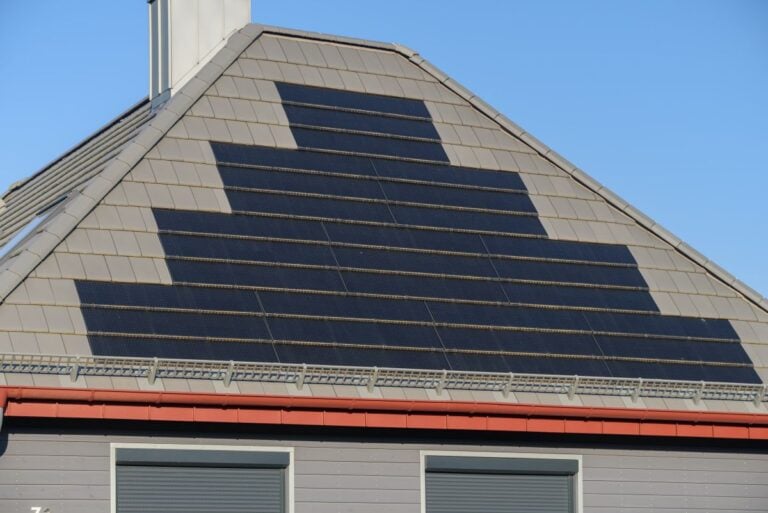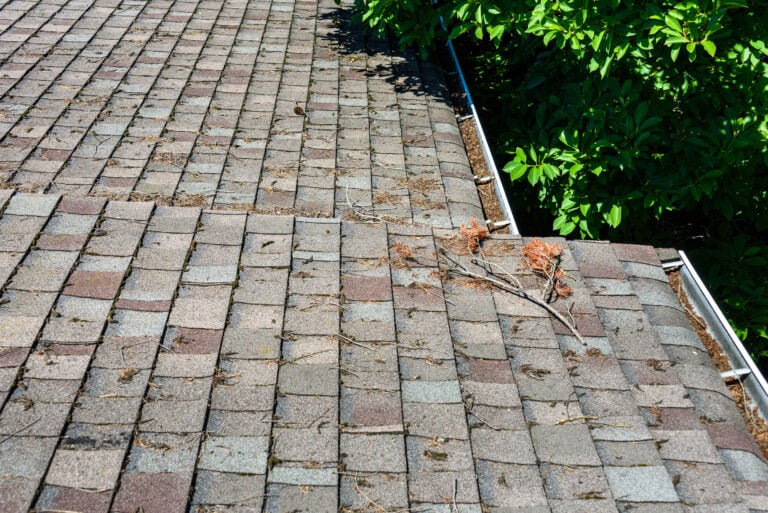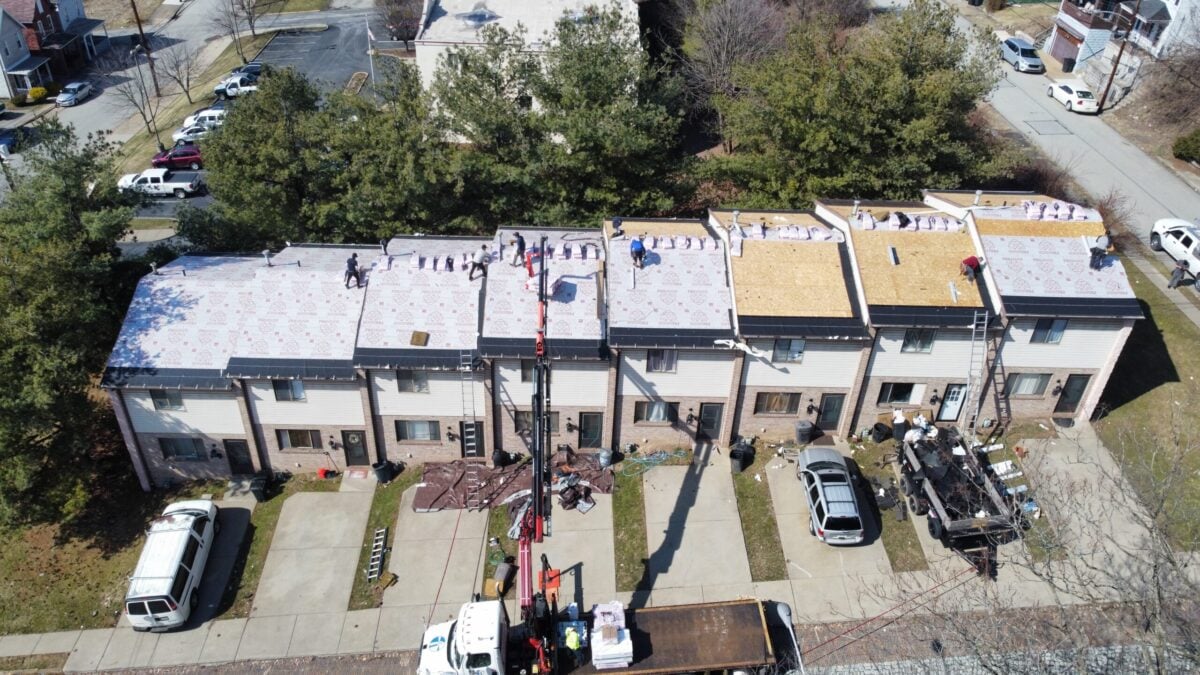
The roof deck is the structural surface that sits beneath every other layer of your roof, and it carries the entire weight of the shingles, snow, ice, and any work that happens up there throughout the roof’s lifespan. Most homeowners never see the deck directly, which is why deck issues often go unnoticed until a tear-off exposes hidden rot, sagging, or undersized sheathing that was never up to code. This guide explains what a roof deck actually is, the materials used to build it, the signs that point to deck damage, and the decisions homeowners face when problems appear during a roof replacement.
- What the deck is: A clear breakdown of the structural layer beneath your shingles.
- Why it matters: How deck condition drives roof lifespan, warranty coverage, and storm performance.
- What to watch for: Signs of deck failure and how to handle them during a roof project.
What Is a Roof Deck?
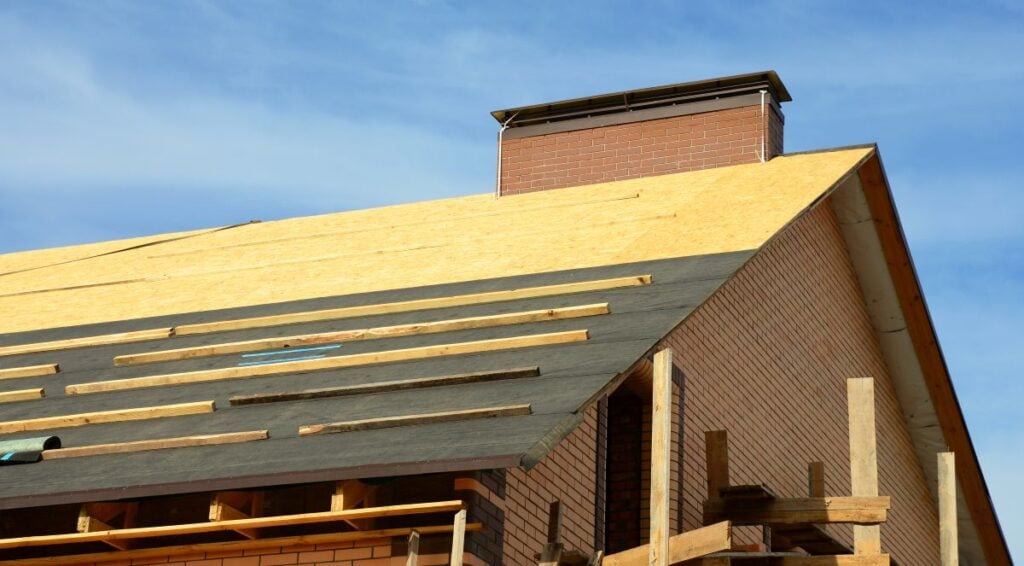
A roof deck is the continuous structural surface fastened to the rafters or trusses that supports every other layer of the roof system, including underlayment, ice and water shield, and the final roofing material. The deck holds the fasteners that anchor the roof to the framing and carries all roof loads down into the structure below.
How Does the Roof Deck Fit Into the Overall Roof System?
The roof deck is the foundation layer that everything else relies on, with underlayment fastened to its surface, ice and water shield bonded along the eaves, and shingles or other roofing materials nailed through both layers into the deck itself. A sound deck delivers a solid nailing surface, a smooth substrate for the underlayment, and the structural strength to handle snow loads, wind uplift, and foot traffic during installation. When the deck fails, every layer above it fails along with it. Homeowners in Pittsburgh and surrounding areas often discover deck issues only after a tear-off exposes hidden problems.
- Structural role: Distributes roof loads across the rafter or truss framing below.
- Fastener anchor: Holds every nail and screw that secures the roofing materials.
- Smooth substrate: Provides a flat surface for underlayment and shingles to lay properly.
- Air and moisture barrier: Combined with underlayment, blocks weather from reaching the framing.
What Materials Are Used to Build a Roof Deck?
Modern residential roof decks are built almost entirely from plywood or oriented strand board (OSB), with older homes occasionally using solid board sheathing or tongue-and-groove planks. Plywood typically comes in 1/2-inch and 5/8-inch thicknesses, OSB comes in 7/16-inch and 5/8-inch, and the right choice depends on rafter spacing, roof pitch, and the roofing material being installed. The 2021 International Residential Code (Section R803) sets minimum sheathing requirements based on framing spacing and panel type, with 5/8-inch sheathing typically required for rafters spaced 24 inches on center. Older homes often have undersized sheathing that no longer meets current code.
- Plywood: Strong, durable, and holds fasteners well; commonly 1/2-inch or 5/8-inch thick.
- OSB: More affordable, available in 7/16-inch or thicker; widely used on new construction.
- Solid board sheathing: Found on older homes, typically 1×6 or 1×8 boards installed diagonally.
- Tongue-and-groove planks: Found on historic homes and some exposed-deck applications.
Why Does the Roof Deck Matter?
The roof deck matters because its condition directly determines how long the roof lasts, how well the warranty performs, and how the system holds up under storms and snow loads. A new roof installed over a compromised deck will fail prematurely, no matter how good the shingles or installation are.
How Does Deck Condition Affect Roof Lifespan?
A roof is only as strong as the deck beneath it, and any weakness in the sheathing accelerates the failure of everything above. Soft spots reduce shingle fastener pullout strength, which raises the risk of wind damage and blow-off during storms. Sagging sections cause water to pool, drive granule loss, and trap moisture that rots the deck further. Rotted areas around penetrations and eaves quietly spread until they reach load-bearing framing. Pittsburgh and surrounding areas freeze-thaw cycles make all of these problems worse year after year.
- Fastener pullout strength: Weak deck means weak shingle anchorage in wind events.
- Drainage performance: Sagging deck creates ponding that shortens shingle life.
- Moisture migration: Compromised deck lets water reach the rafters and insulation.
- Storm survivability: Wind uplift on a weakened deck can pull large sections of roofing off.
Why Do Roof Warranties Depend on Deck Condition?
Manufacturer warranties on shingles and other roofing materials require installation on a sound, code-compliant deck, and most warranties are voided when the underlying substrate fails. Contractors who install over rotten or sagging sheathing risk warranty disputes that ultimately fall on the homeowner. Homeowners in Pittsburgh and surrounding areas should expect any quality roofing contractor to inspect the deck during tear-off and price replacement of damaged sheets as part of the contract.
- Warranty requirements: Manufacturers require sound, code-compliant substrate.
- Installation standards: Shingles must be fastened into solid sheathing to meet warranty terms.
- Contractor responsibility: Quality contractors inspect and document deck condition.
- Homeowner protection: Insist on a written allowance for deck repair in every estimate.
6 Signs of Roof Deck Damage
Each of the six signs below points to a specific deck failure mode, and most of them are visible from the ground, from the attic, or during a routine inspection. Walk through each one with your home in mind, because catching deck issues early prevents far more expensive repairs later.
1. Sagging or Wavy Roof Lines
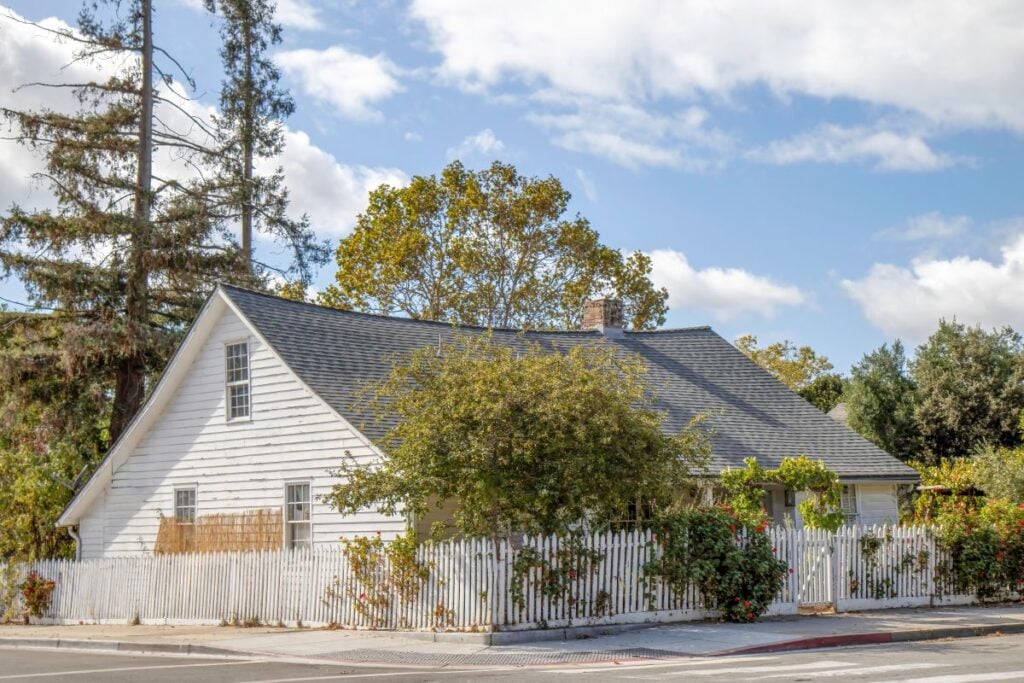
A sagging or wavy roof line indicates that the deck has lost structural integrity, usually from prolonged moisture exposure, undersized sheathing, or compromised framing below. Look at the roof from across the street on a sunny day, and watch for sections that dip between rafters, ridges that bow downward, or eaves that look uneven. Mild waviness is often cosmetic, but pronounced sagging signals structural failure that needs immediate professional assessment. Sagging that worsens over time is particularly urgent.
- Visual clue: Dips between rafters, bowed ridges, or uneven eave lines.
- Common causes: Moisture damage, undersized sheathing, framing failure.
- Urgency level: Mild waviness can wait; pronounced sagging needs immediate evaluation.
- Inspection approach: View the roof from across the street in raking sunlight.
2. Soft Spots When Walking the Roof
Soft, spongy, or yielding sections under foot tell a roofer that the deck has rotted or delaminated and no longer holds its rated load. Roofing contractors check for this during inspections by walking the field and feeling for give underfoot, with attention to areas around chimneys, valleys, and skylights where leaks concentrate. Soft spots almost always require sheet replacement during the next re-roof, and large soft areas can require structural repairs to the rafters below.
- Where to find them: Around chimneys, valleys, skylights, and any leak-prone area.
- What it means: Deck has rotted or delaminated and lost structural strength.
- Repair scope: Replace affected sheets during the next tear-off.
- Severity factor: Larger soft areas often signal damage extending into the framing.
3. Water Stains on the Attic Side of the Deck
Dark staining, white mineral deposits, or rust streaks on the underside of the deck inside the attic mean water has been entering the roof system somewhere upstream. Stains often appear along nails (where galvanizing has rusted from condensation), at the perimeter of vents and chimneys, or in long streaks below failed flashing. Stain patterns help identify the source: vertical streaks point to active leaks, while broad discoloration points to condensation from inadequate attic ventilation.
- What to look for: Dark stains, white mineral deposits, and rusty nail heads.
- Where stains concentrate: Around vents, chimneys, skylights, and failed flashing.
- Stain patterns: Vertical streaks suggest active leaks; broad discoloration suggests condensation.
- Action step: Trace the source before any tear-off so the underlying issue gets corrected.
4. Daylight Visible Through the Deck
Pinholes or visible daylight through the deck from the attic side indicate missing fasteners, gaps between sheets, or rotted-through sections that no longer block weather. Small light points can be safely sealed during the next re-roof, but larger gaps point to broader deck failure or installation defects. Walk the attic with a flashlight during the day and look for any spots where outdoor light penetrates the sheathing.
- What to look for: Pinpricks of light or larger visible gaps in the attic ceiling.
- What it means: Missing fasteners, separated sheet seams, or rotted sections.
- Repair approach: Seal small holes or replace affected sheets during re-roof.
- Inspection tip: Best done on a sunny day with no attic lights on.
5. Granules Accumulating in Gutters
Excessive granule accumulation in the gutters and downspouts often signals shingle wear, but the underlying cause is sometimes deck-driven. Sagging or wavy deck sections accelerate granule loss because shingles flex out of plane every time water pools. Heavy granule deposits in the gutter combined with visible roof waviness usually mean the deck is contributing to the shingle failure, and a tear-off with selective sheet replacement is the right next step.
- Where to check: Inside gutters, at the bottom of downspouts, and around splash blocks.
- What it means: Shingles aging out, often accelerated by deck movement.
- Combined signal: Heavy granules plus visible roof waviness points to deck involvement.
- Replacement timing: Significant granule loss usually means the roof is in the last few years of useful life.
6. Damaged Areas Around Chimneys, Vents, and Skylights
Penetrations are the most common entry points for water, and deck rot concentrates around them as small leaks slowly soak the sheathing. Look for staining, soft spots, or visible damage to the deck around every chimney, vent, skylight, and bathroom or kitchen exhaust fan. Damage around penetrations is usually localized and can be addressed during a re-roof by replacing the affected sheets and reflashing the detail properly.
- High-risk locations: Chimneys, plumbing vents, skylights, and HVAC penetrations.
- What it means: Failed flashing has allowed water to soak the deck over time.
- Repair scope: Replace affected sheets and reflash the penetration during re-roof.
- Prevention approach: Inspect and reseal all flashing every 5 to 10 years.
How Does Deck Repair Work During a Roof Replacement?
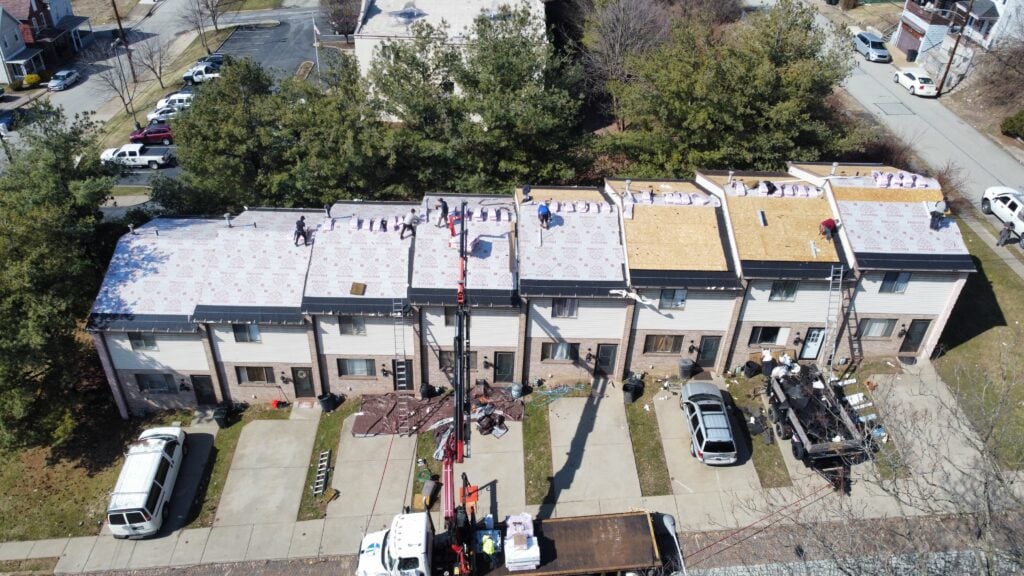
Deck repair is one of the most common surprise line items on roof replacement projects, because the full extent of damage is only visible after the old shingles come off. Homeowners in Pittsburgh and surrounding areas should expect any quality estimate to include a deck repair allowance.
When Is Deck Replacement Necessary?
Deck replacement is necessary when sheets are rotted, soft, sagging, delaminated, or undersized for the roofing material being installed. Contractors typically inspect every sheet during tear-off, mark damaged areas with chalk, and replace anything that fails the inspection. Heavy roofing materials like tile and slate often require code-mandated deck upgrades even when the existing sheathing is sound, because the original substrate was sized for asphalt loads.
- Rot or soft spots: Always require sheet replacement.
- Sagging sections: Need replacement and sometimes structural reinforcement below.
- Delamination: OSB or plywood that has separated into layers needs replacement.
- Code upgrades: Heavy roofing materials may require thicker sheathing.
How Much Does Deck Repair Cost?
Deck repair in Pittsburgh and surrounding areas typically runs $70 to $100 per sheet of plywood or OSB, including labor and disposal of the old material. Most homes need two to eight sheets replaced during a typical re-roof, which adds $140 to $800 to the total cost. Larger amounts of deck damage can push the cost into the $1,000 to $5,000 range, particularly when rot has spread into the rafters and additional framing repair becomes necessary.
- Per-sheet cost: $70 to $100 including labor and disposal.
- Typical scope: 2 to 8 sheets on most replacements.
- Major damage: $1,000 to $5,000 when extensive areas need replacement.
- Contingency allowance: Always confirm a written allowance in the contract.
Frequently Asked Questions
Can a Roof Deck Be Replaced Without Replacing the Whole Roof?
In some cases yes, but it requires removing the shingles and underlayment above any damaged sheets, replacing the sheathing, and then reinstalling the roofing materials. Most contractors recommend full re-roof when significant deck repair is needed because the labor overlap makes the combined cost only marginally higher.
How Long Does a Roof Deck Last?
A properly installed and protected plywood or OSB deck typically lasts 40 to 50 years, often the lifetime of the structure. Lifespan depends almost entirely on whether the deck stays dry, which means proper underlayment, intact flashing, working gutters, and adequate attic ventilation.
Does Homeowners Insurance Cover Roof Deck Damage?
Most policies cover sudden damage from storms, fire, or falling objects, but they exclude damage from age, wear, or chronic leaks that were ignored. Document any storm damage with dated photos before contacting the insurance adjuster.
What Is the Difference Between Roof Deck and Roof Sheathing?
The terms are used interchangeably in residential construction. Roof deck and roof sheathing both refer to the same structural panel layer fastened to the rafters or trusses beneath the roofing material.
Can I Tell If My Deck Is Damaged Without a Tear-Off?
Attic inspections, drone-based exterior surveys, and infrared imaging can identify most major deck problems without tearing off the roof. Some damage is only confirmable after the roofing material is removed, which is why estimates list deck repair as a contingency.
Do I Need a Licensed Contractor for Deck Repair?
Pennsylvania requires home improvement contractors performing work over $500 to be registered with the state Attorney General’s office. Hiring a registered, insured contractor protects warranty coverage and ensures the work meets local building codes.
Why McCormick Renovations Is the Right Partner for Your Roof Deck Repair or Replacement
McCormick Renovations brings hands-on experience, deep system knowledge, and a commitment to clean, code-compliant workmanship to every roof we touch in Pittsburgh and surrounding areas. We inspect every sheet of decking during tear-off, document any damage we find, and price replacement transparently so homeowners always know what they are paying for. If your roof shows any of the six signs covered above, or you want a clear assessment of deck condition before planning a replacement, reach out to McCormick Renovations today for a free estimate. Our team will inspect every detail, explain the tradeoffs, and design a roofing system that protects your home for decades.