Filing a roof insurance claim after a Pittsburgh storm can feel overwhelming, but following the right steps in the right order dramatically improves your odds of a fair settlement that actually covers the repair or replacement your home needs. Wind and hail damage generates the largest single category of homeowners insurance claims in the United States, and the way you document the damage, communicate with the adjuster, and hire a contractor determines whether your claim covers the full repair cost or leaves you paying thousands out of pocket. This guide walks Pittsburgh homeowners through the seven steps to file a successful roof insurance claim.
- Damage documentation and timing: How to capture the evidence adjusters need to approve your claim.
- The 7-step claim process: From first inspection to final settlement, in the order that matters.
- Coverage and common mistakes: What insurance actually pays for and where homeowners often lose out.
Types of Storm Damage That Warrant a Roof Insurance Claim
Not every roof issue is a valid insurance claim. Insurance policies cover sudden, accidental damage from specific storm events but exclude age-related wear, poor maintenance, and gradual deterioration.
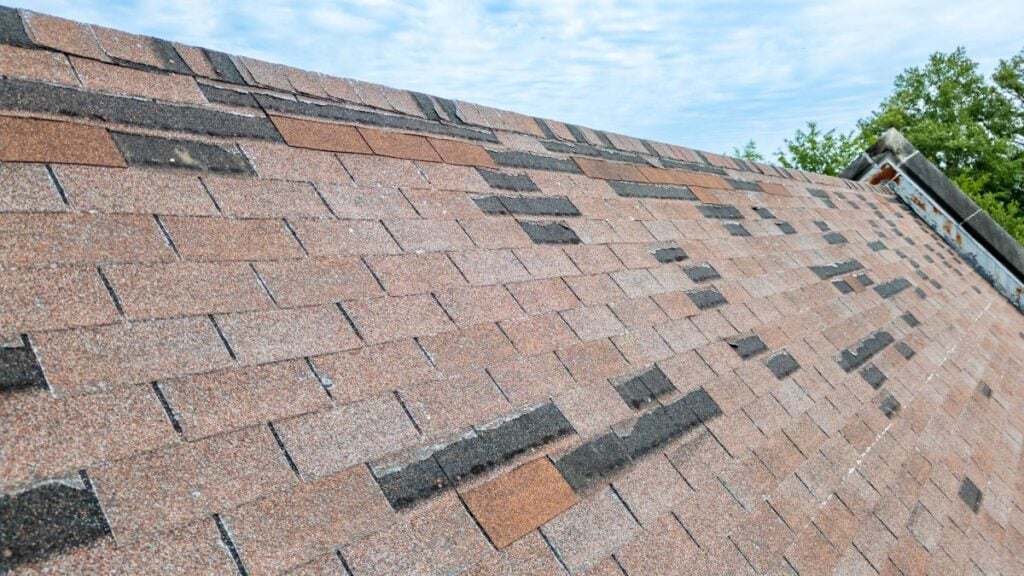
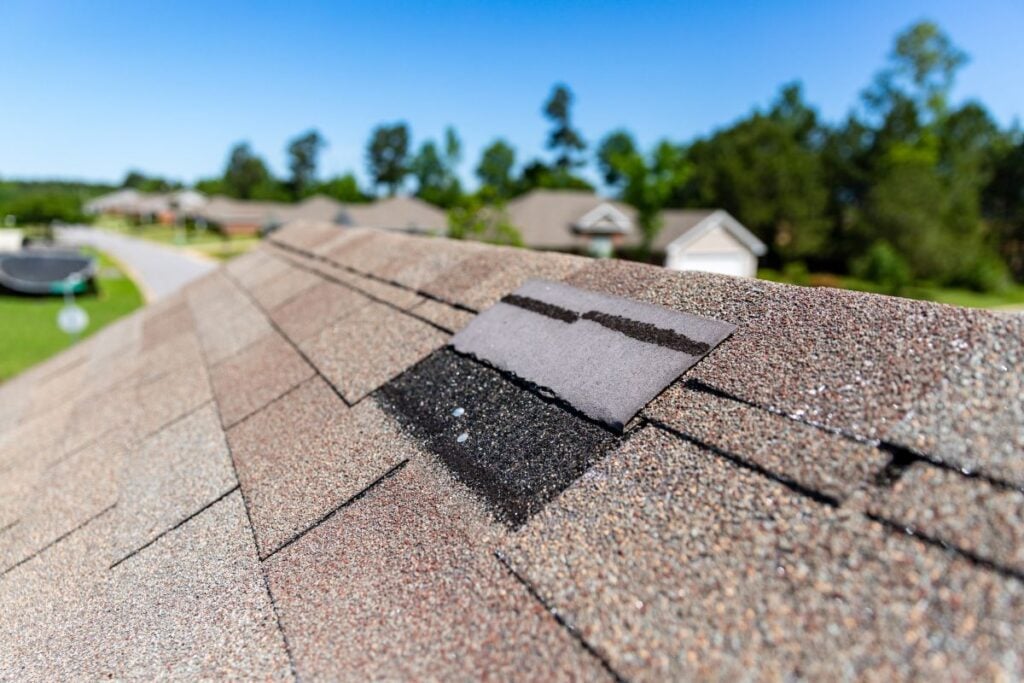
- Wind damage: Lifted, torn, or missing shingles from high wind events (typically 50 mph or higher).
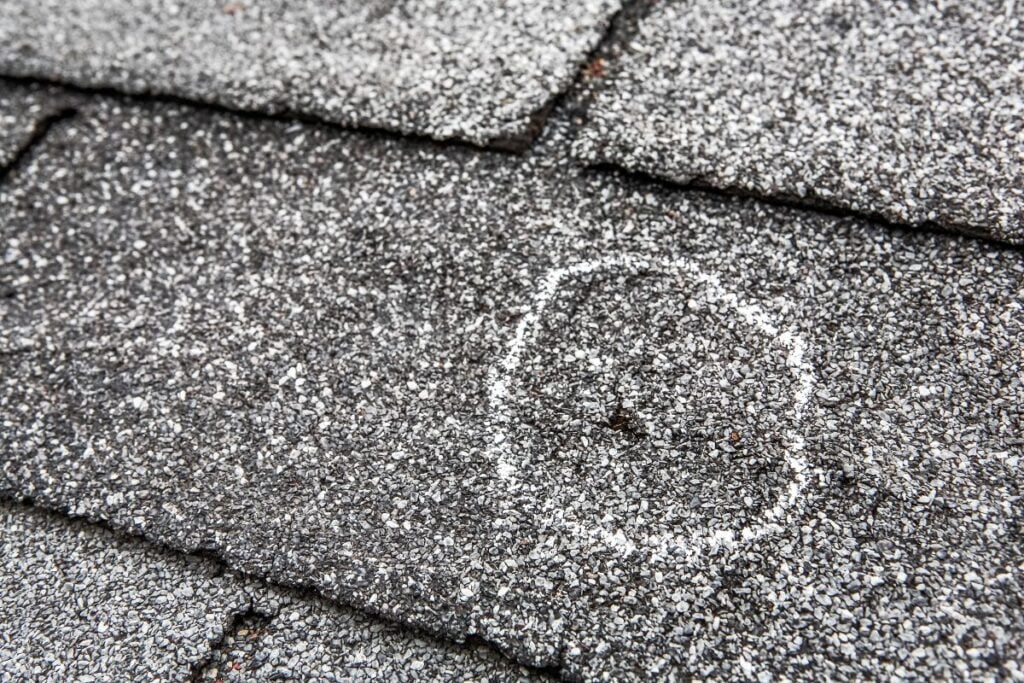
- Hail damage: Impact bruises, granule loss, or punctures from hailstones.
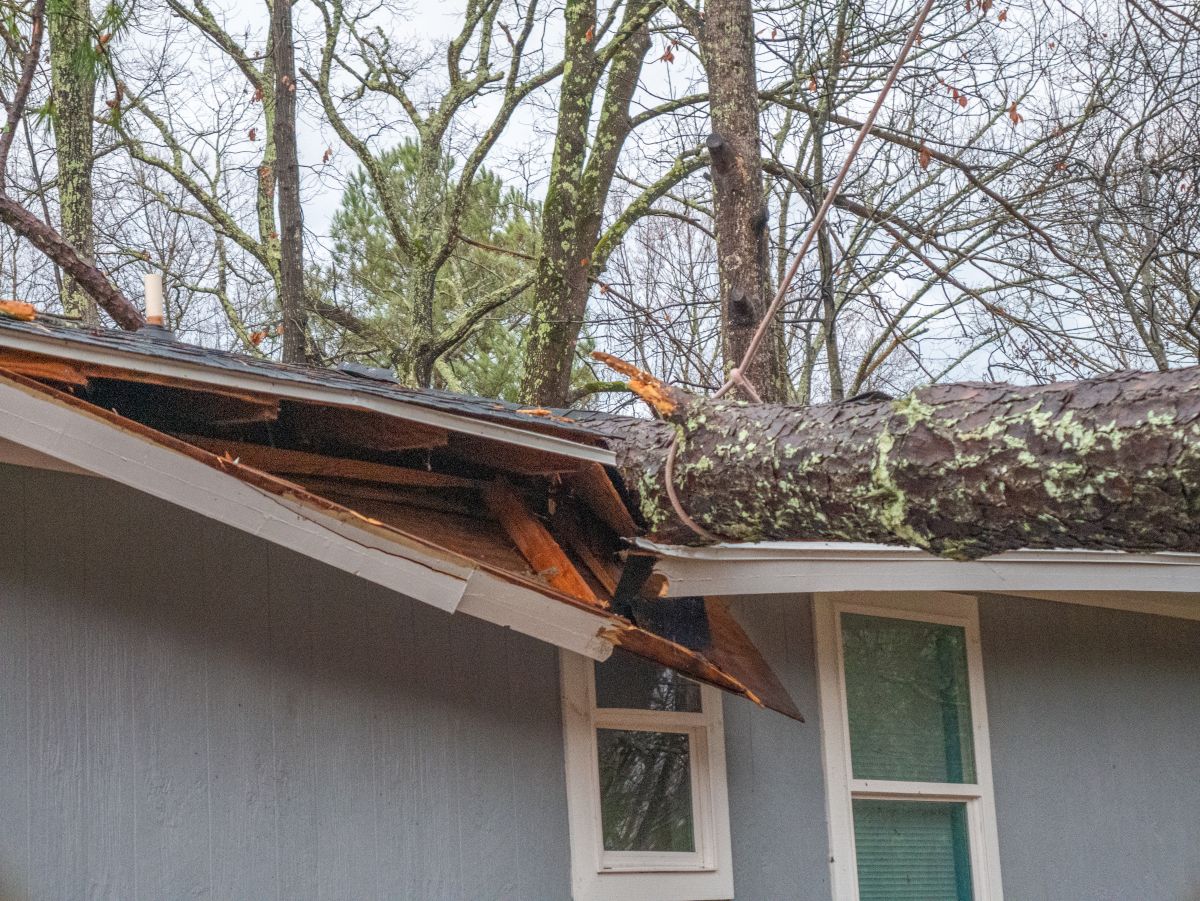
- Fallen tree or limb damage: Impact damage from trees or branches falling on the roof.
- Ice dam damage: Water intrusion caused by winter ice buildup at roof edges.
- Lightning strikes: Direct damage to shingles, decking, or roof-mounted equipment.
7 Steps to File a Successful Roof Insurance Claim
Following this seven-step sequence gives you the strongest position for a fair settlement and minimizes the delays that stretch claims out for months. Move quickly on the first three steps because most insurance policies have strict reporting deadlines.
1. Document the Damage Immediately
Take dated photos and video of every visible sign of damage as soon as it is safe to do so. Photograph the roof from ground level with a zoom lens or drone, capture interior damage including water stains and fallen debris, and note the date and time of the storm event. This documentation forms the foundation of your entire claim, and adjusters weigh photo evidence heavily when determining payouts.
- Exterior photos: Multiple angles of the roof from ground level.
- Interior photos: Ceiling stains, dripping water, fallen debris.
- Storm event date: Written record of when the storm hit and how long it lasted.
- Damaged possessions: Photograph any interior items damaged by leaks.
2. Prevent Further Damage
Insurance policies require homeowners to take reasonable steps to prevent additional damage after a covered event, and failure to do so can reduce or void your claim. Tarp any exposed sections of the roof, place buckets under active leaks, and move furniture out of drip zones. Save all receipts for tarps, sandbags, or emergency contractor services because these costs are typically reimbursable.
- Tarp exposed areas: Cover damaged sections with weighted plastic sheeting.
- Contain interior water: Buckets and tarps under active leaks.
- Save receipts: All materials and emergency service costs may be reimbursed.
- Avoid permanent repairs: Do not make permanent fixes before the adjuster inspects.
3. Review Your Homeowners Insurance Policy
Before you call your insurance company, spend 15 minutes reading your policy declarations page and any endorsements. Confirm your deductible amount, verify whether wind and hail damage carries a separate (typically higher) deductible, and note any exclusions or coverage limits. Knowing your policy details before you file helps you communicate clearly with your insurer.
- Deductible amount: Standard deductible and any separate wind/hail deductible.
- Coverage type: Replacement cost coverage vs. actual cash value coverage.
- Exclusions: Age-related wear, neglect, or specific perils not covered.
- Filing deadlines: Most policies require notification within 60 days of the storm.
4. File the Claim with Your Insurance Company
Contact your insurance company by phone or through their app or website to formally file the claim. Provide the storm date, describe the damage, and provide your policy number. You will receive a claim number and be assigned an adjuster within 24 to 72 hours. Keep detailed notes of every conversation including date, time, agent name, and what was discussed.
- Contact method: Phone, app, or website filing per your insurer’s process.
- Claim number: Record this number and reference it in all future communication.
- Adjuster assignment: You will be assigned an adjuster who inspects the property.
- Conversation log: Keep dated notes of every call and email with your insurer.
5. Schedule a Professional Roof Inspection
Before the insurance adjuster arrives, hire a reputable roofing contractor to inspect the damage and provide a written estimate. This gives you a professional assessment separate from the insurance adjuster’s evaluation, which is crucial for negotiating a fair settlement. Do not sign any contracts or authorize repairs at this stage, and avoid contractors who show up unsolicited after a storm.
- Independent contractor: Hire a licensed PA contractor with insurance work experience.
- Written estimate: Get itemized estimate covering all damaged materials and labor.
- Photos and report: Ask the contractor for a detailed inspection report with photos.
- No commitments: Do not sign anything until after the insurance settlement.
6. Meet with the Insurance Adjuster
When the adjuster comes to inspect, have your contractor walk the property with them if possible. Present the documentation you gathered in Steps 1 and 5, point out all damage the adjuster may have missed, and ensure they climb on the roof to inspect directly rather than assessing from the ground. Adjusters have significant discretion, and having a professional present who can advocate for a complete scope of work often results in a larger settlement.
- Contractor present: Having your contractor walk the roof with the adjuster is critical.
- Show all damage: Point out every impact mark, missing shingle, and interior stain.
- Insist on roof access: Verify the adjuster physically inspects the roof, not just from ground level.
- Request written report: Ask for a copy of the adjuster’s written scope of work.
7. Review the Settlement and Complete Repairs
Once the insurance company sends your settlement offer, compare it against your contractor’s estimate. If the settlement is significantly lower, request a reinspection or supplemental claim to cover items the adjuster missed. Once you accept the settlement, hire your chosen contractor to complete the work, then submit final receipts to your insurer to release any remaining depreciation payment (for policies with replacement cost coverage).
- Compare estimates: Insurance settlement vs. contractor estimate should align.
- Supplement if needed: Request supplemental claims for missed items.
- Depreciation holdback: Replacement cost policies release the remainder after work completion.
- Final receipts: Submit all final invoices to your insurance company.
According to the Insurance Information Institute, wind and hail damage accounts for approximately 40 percent of all homeowners insurance claims in the United States, making it the most common claim category and the reason roof insurance claims receive intense scrutiny from insurers.
What Homeowners Insurance Typically Covers
Understanding what your policy actually covers helps you set realistic expectations before you file a claim. Coverage varies by policy type and insurer, but standard homeowners policies generally follow consistent patterns.
- Sudden storm damage: Wind, hail, lightning, and fallen tree damage are typically covered.
- Fire and smoke damage: Fire damage from any cause is typically covered.
- Ice dam damage: Water intrusion from ice dams is often covered, though coverage varies.
- Not covered: Age-related wear, poor maintenance, cosmetic-only damage, and gradual deterioration.
- Roof age considerations: Some insurers reduce coverage for roofs over 15 or 20 years old.
- Deductibles apply: Wind/hail deductibles are often 1 to 2 percent of dwelling coverage, higher than standard deductibles.
Common Mistakes That Get Roof Insurance Claims Denied
Even legitimate claims get denied for procedural mistakes that homeowners can easily avoid with better preparation. Watch for these common pitfalls.
- Waiting too long to file: Most policies require claims within 60 days of the damaging event.
- Missing documentation: Undated or missing storm damage photos weaken the claim significantly.
- Signing with storm chasers: Out-of-area contractors who solicit door-to-door often disappear after collecting the insurance check.
- Making permanent repairs before inspection: Fixing damage before the adjuster sees it can void the claim.
- Accepting a low first offer: Adjusters often issue conservative first estimates; supplemental claims are common.
- Not verifying contractor licensing: Any contractor working over $5,000 in Pennsylvania must be registered with the state.
Frequently Asked Questions
How long do I have to file a roof insurance claim?
Most homeowners insurance policies require claims to be filed within 60 days of the damaging event, though some policies allow up to one year for property damage claims. Check your specific policy declarations page for exact deadlines, and file as quickly as possible since documentation quality degrades over time.
Will filing a roof insurance claim raise my premiums?
Filing a single storm damage claim typically has a minor impact on premiums, especially if the damage is clearly weather-related and not linked to maintenance neglect. Multiple claims over a short period can trigger premium increases or non-renewal, so weigh the deductible against the total repair cost before filing small claims.
Do I need to get multiple contractor estimates for insurance?
You are not required to get multiple estimates for an insurance claim, but doing so protects you if the first contractor’s estimate significantly diverges from the adjuster’s. One detailed estimate from a reputable PA-licensed contractor is typically sufficient for the claim process.
What is the difference between replacement cost and actual cash value coverage?
Replacement cost coverage pays for a new roof of like kind and quality, minus your deductible. Actual cash value coverage pays for the depreciated value of the old roof, which is typically much lower. Confirm which type your policy uses before you file so you understand your expected payout.
Should I hire a public adjuster for my roof insurance claim?
Public adjusters work for the homeowner (not the insurance company) and typically charge 10 to 15 percent of the settlement. They are worth considering for complex or contested claims but are usually unnecessary for straightforward wind or hail damage with clear documentation and a qualified roofing contractor involved.
What should I do if my roof insurance claim is denied?
Request a written explanation of the denial, gather additional documentation supporting your claim, and file an appeal with your insurance company. If the appeal is denied, you can escalate to the Pennsylvania Insurance Department’s consumer complaint process or hire a public adjuster or attorney to pursue the claim further.
Get Trusted Help With Your Roof Insurance Claim
Filing a roof insurance claim is stressful under the best of circumstances, and having a reputable local contractor in your corner makes the entire process go smoother. From the initial damage documentation through the adjuster meeting and final repair work, a qualified contractor advocates for a complete scope of work and helps you avoid the common mistakes that leave homeowners paying out of pocket.
McCormick Renovations has served Pittsburgh and surrounding areas for more than 30 years, and our team regularly works alongside homeowners through the insurance claim process. If your roof was damaged in a recent storm, contact McCormick Renovations for a free inspection and estimate, and we will help you document the damage properly and communicate with your adjuster so your claim reflects the full scope of what your roof actually needs.