The signs you need new windows go far beyond a simple calendar date, which is why some 40-year-old wood windows outperform some 15-year-old builder-grade vinyl units. Window lifespan depends on frame material, installation quality, climate exposure, and maintenance history, and the only reliable signals for window replacement come from how the window actually performs day to day. This guide walks through seven specific indicators that point to replacement, what each one costs you in comfort and energy bills, and how to know when minor repairs will buy you time versus when full replacement is the smarter call.
- Performance indicators: Specific drafts, leaks, condensation, and operation issues that signal failure.
- Hidden cost signals: How rising bills, fading furniture, and noise reveal underlying window problems.
- Replacement guidance: When repair makes sense and when whole-house replacement pays off.
Why Age Alone Doesn’t Tell You Whether to Replace Windows
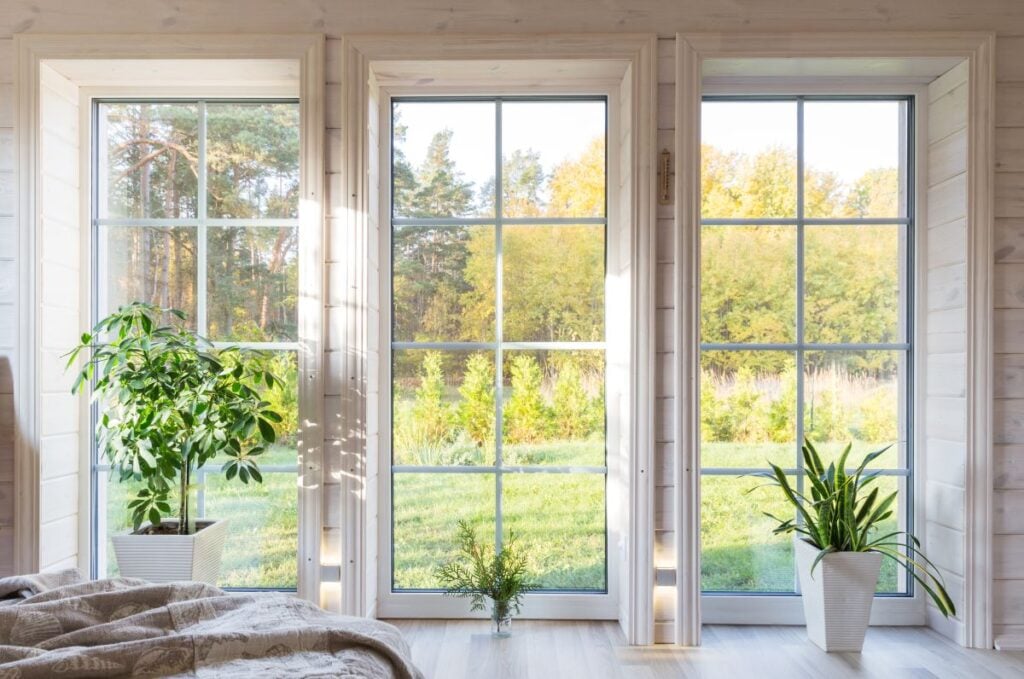
Window age is a starting point, not an answer. A well-installed, well-maintained wood window from 1990 can perform better than a poorly installed vinyl window from 2015. The real indicators come from physical condition, energy performance, and daily comfort.
What Determines How Long a Window Actually Lasts?
Frame material, installation quality, climate exposure, and maintenance history all shape how long a window actually performs, and any one of them can shorten a window’s useful life dramatically. Vinyl windows typically last 20 to 40 years, wood windows last 30 years or more with maintenance, fiberglass windows last 30 to 50 years, and aluminum windows last 20 to 25 years. Within those ranges, the gap between best-case and worst-case performance often comes down to whether the window was installed with proper flashing, shimming, and air sealing. Homeowners in Pittsburgh and surrounding areas often see windows underperform their published lifespan because freeze-thaw cycles, humidity, and aggressive UV exposure compound any installation defects.
- Frame material: Sets the baseline lifespan but doesn’t guarantee performance.
- Installation quality: Proper flashing and air sealing often matter more than the window itself.
- Climate exposure: South- and west-facing windows degrade faster than north-facing units.
- Maintenance history: Painted, sealed, and weatherstripped windows outlast neglected ones.
Why Do Some 20-Year-Old Windows Still Perform Well?
Quality original installation, regular maintenance, and modern glass technology all let some windows perform well beyond their published lifespan. A 20-year-old window with intact seals, sound frames, functional weatherstripping, and a clean air barrier behind the trim can still deliver acceptable energy performance and comfort. The right question is not “how old is this window” but “how is this window actually performing right now.” That shift in framing leads to better replacement decisions and protects homeowners from contractors using age as a sales lever.
- Intact seals: Original insulating glass units that have not failed.
- Sound frames: No rot, warping, or pitting on any of the frame elements.
- Working hardware: Smooth operation, secure locks, and balanced sashes.
- Proper installation: Air-sealed perimeter and intact flashing behind the trim.
7 Signs You Need New Windows Right Now
Each of the seven indicators below points to a specific failure mode in the window system, and most homeowners experience two or three of them at once when replacement becomes the right call. Read through and count how many apply to your home, because clustered signals usually justify whole-house replacement rather than spot repairs.
1. Drafts You Can Feel Around Closed Windows
Persistent drafts around a closed window mean weatherstripping has failed, sashes have warped, or the seal between sash and frame has worn through. The air movement is most noticeable on cold or windy days, especially at the meeting rail of double-hung units where two sashes meet. Beyond comfort, drafts directly raise heating and cooling costs and signal that the building envelope is no longer doing its job at one of its weakest points. Homeowners in Pittsburgh and surrounding areas often discover the issue by sitting near a window in winter and feeling consistent cold air without ever opening the unit.
- Where to check: Sash perimeter, meeting rail, and the joint between frame and trim.
- Simple test: Hold a lit incense stick near the perimeter and watch for smoke deflection.
- Comfort impact: Cold seating areas and rising heating bills.
- Repair vs. replace: New weatherstripping helps short term, but aged sashes warrant replacement.
2. Condensation or Fog Between the Glass Panes
Fog, haze, or visible moisture trapped between the two panes of insulated glass signals that the perimeter seal has failed and the insulating gas has escaped. Once the seal breaks, moisture cycles in and out of the gap, leaving permanent mineral deposits and dramatically reducing the window’s thermal performance. There is no practical home repair on most insulated glass units, so the standard fix is replacing the sash, the insulated glass unit, or the entire window. Seal failure is one of the clearest indicators that a window has reached end of life.
- Visual signal: Persistent fog, haze, or droplets between the two panes.
- R-value loss: Performance can drop 20 to 50 percent after the seal breaks.
- Warranty check: Some manufacturers offer sash replacement if within warranty term.
- Long-term fix: Replace the sash, IGU, or full window depending on condition.
3. Rising Energy Bills With No Other Cause

A steady climb in heating and cooling costs without changes in usage habits often points to building envelope failures, with windows usually among the top three contributors alongside attic insulation and air sealing. According to the U.S. Department of Energy, upgrading to ENERGY STAR-qualified windows can save 7 to 15 percent or more on annual household energy bills, depending on the climate and the type of window being replaced. Single-pane windows and early-generation double-pane windows perform far below modern ENERGY STAR products, and the gap widens as seals degrade over time.
- Trend to watch: Multi-year increases in bills without changes in occupancy or rates.
- Benchmarking: Compare against similar nearby homes for context.
- U-factor difference: Modern ENERGY STAR windows can be two to three times more efficient.
- Combined upgrades: Pair window replacement with insulation and air sealing for maximum savings.
4. Difficulty Opening, Closing, or Locking Windows
Windows that stick, refuse to stay open, or fail to lock cleanly indicate frame movement, hardware failure, or rot in the surrounding structure. A double-hung that drops on its own has lost its balance system, a casement that no longer closes flush has warped or settled out of square, and a slider that no longer glides smoothly has track damage or accumulated debris in the channel. Beyond convenience, windows that do not lock properly create a security risk and rarely seal well against air and water.
- Operational red flags: Sticking sashes, broken balances, and weak or failed locks.
- Security impact: A window that will not lock is a real safety concern.
- Underlying causes: Rot, settling, or hardware fatigue across the unit.
- Repair limits: Hardware replacement helps short term, but frame movement signals replacement.
5. Fading Furniture, Floors, and Artwork Near Windows
Visible fading on hardwood floors, area rugs, upholstered furniture, drapes, and artwork near a window means ultraviolet light is penetrating the glass at higher rates than modern low-E coatings would allow. Older windows lack the low-E coating that blocks UV radiation and infrared heat gain, which is why interior finishes deteriorate quickly near older units. Modern ENERGY STAR windows block 75 percent or more of UV radiation while still letting visible light through, which preserves interior finishes without making rooms feel dark. Pittsburgh and surrounding areas homeowners with south- and west-facing rooms see this damage most clearly.
- Visual cues: Bleached hardwood patches, faded upholstery, and discolored drapes.
- UV impact: Older windows transmit 50 to 70 percent of incoming UV radiation.
- Modern protection: Low-E coatings block 75 to 95 percent of UV transmission.
- Cost impact: Replacing damaged interior finishes often exceeds the window upgrade cost.
6. Outside Noise Penetrating More Than It Should
Increasing outside noise inside the home often signals that window seals have degraded or that the glass package no longer dampens sound the way it once did. Modern dual-pane windows with laminated glass or asymmetric pane thicknesses substantially reduce traffic, lawn equipment, neighborhood, and weather noise. If conversations in rooms that used to feel quiet now require raised voices, the windows may be the cause. Acoustic comfort is one of the most underrated benefits of a window upgrade and is often the first thing homeowners notice after replacement.
- Noise sources: Traffic, lawn equipment, neighbors, and weather penetration.
- Glass solutions: Laminated glass and dissimilar pane thicknesses reduce sound transmission.
- STC ratings: Sound Transmission Class numbers help compare window performance.
- Comfort benefit: New windows often make rooms feel measurably quieter.
7. Water Damage, Peeling Paint, or Warped Trim Around the Window
Water staining, peeling paint, swollen trim, or bubbling drywall around a window means moisture is reaching surfaces it should not, and the source is usually the window itself, the flashing behind it, or a failed sealant joint. Left unaddressed, water damage spreads into the wall cavity, rots framing, ruins insulation, and creates the conditions for mold growth. This is the most urgent of the seven signs because repair cost grows quickly once structural lumber is involved. The right long-term fix is full window replacement with corrected flashing details rather than cosmetic patches.
- Visible cues: Water staining, peeling paint, swollen trim, and bubbling drywall.
- Hidden risks: Mold growth and framing rot inside the wall cavity.
- Urgency level: Address moisture issues immediately to limit damage.
- Proper repair: Full window replacement with new sill pan and flashing tape.
How to Decide Whether to Replace Now or Wait
The right replacement timing depends on how many signs apply to your home, how severe each one is, and whether other home upgrades are already in progress. Homeowners in Pittsburgh and surrounding areas should walk through this decision with a qualified contractor every five years on older homes.
When Does Repair Make Sense?
Repair is the right choice when only one or two minor signs apply, the windows are otherwise sound, and the cost of repair stays well below replacement cost. A single window with failed weatherstripping or a stuck balance can often be fixed for under $200. A single failed insulated glass unit can sometimes be replaced under manufacturer warranty. The math changes quickly when multiple windows or multiple issues show up at once.
- Single-window issues: Weatherstripping, balance, hardware, and IGU replacement.
- Cost threshold: Repair stays under 30 percent of replacement cost per window.
- Warranty coverage: Confirm whether any failures qualify for manufacturer warranty.
- Time horizon: Repair is the right call if you plan to replace all windows within five years anyway.
When Should You Plan Whole-House Replacement?
Whole-house replacement makes sense when three or more signs apply across multiple windows, when energy bills have climbed steadily over multiple years, or when visible damage suggests the original installation has failed. Whole-house replacement also delivers efficiency of scale: per-window installation costs drop, manufacturer warranties consolidate, and the home gets a uniform building envelope upgrade rather than a patchwork of repairs.
- Trigger threshold: Three or more signs across multiple windows.
- Cost efficiency: Per-window cost drops 15 to 25 percent on whole-house replacements.
- Performance gain: Uniform U-factor and air sealing across the envelope.
- Tax credits: ENERGY STAR Most Efficient windows qualify for 30 percent federal credit up to $600 per year.
Frequently Asked Questions
How Much Does It Cost to Replace Windows?
Installed cost for replacement windows in Pittsburgh and surrounding areas typically runs $500 to $1,500 per window for vinyl, $800 to $2,000 for fiberglass, and $1,000 to $3,000 or more for wood. Whole-house replacements of 10 to 20 windows typically fall between $8,000 and $40,000 depending on material and frame quality.
Can I Just Replace the Glass and Save Money?
In some cases yes, particularly when the frame and sash are sound and only the insulated glass unit has failed. Glass-only replacement typically costs $200 to $500 per unit, but does not address weatherstripping, hardware, or frame degradation, so it is not always the best long-term value.
Do New Windows Add Resale Value?
Yes, replacement windows are consistently among the strongest exterior home improvements for resale value, typically returning 65 to 75 percent of installed cost at sale. Energy-efficient ENERGY STAR products and quality installation drive the highest returns.
How Long Does Window Replacement Take?
A whole-house window replacement of 10 to 20 windows typically takes one to three days for a professional crew, with each window averaging 30 to 60 minutes for an insert replacement. Full-frame replacements take longer because they require removing trim and reflashing the rough opening.
Should I Replace All Windows at Once or in Phases?
Replacing all windows at once delivers better pricing, uniform performance, and a single warranty, while phasing spreads cost across multiple years. Most contractors offer 10 to 25 percent better per-window pricing on whole-house jobs compared to single replacements.
Do I Need a Licensed Contractor for Window Replacement?
Pennsylvania requires home improvement contractors performing work over $500 to be registered with the state Attorney General’s office. Hiring a registered, insured contractor protects warranty coverage and ensures proper flashing and air sealing during installation.
Why McCormick Renovations Is the Right Partner for Your Window Replacement
McCormick Renovations brings hands-on installation experience, deep product knowledge, and a commitment to clean, weather-tight workmanship to every window we install in Pittsburgh and surrounding areas. We help homeowners diagnose whether the right answer is repair, partial replacement, or whole-house upgrade, and we recommend the right combination of frame material, glass package, and installation method for the climate zone and architectural style. If you are seeing any of the seven signs covered above and want a clear, no-pressure assessment backed by real numbers, reach out to McCormick Renovations today for a free estimate. Our team will walk every opening, explain the tradeoffs, and design a window replacement that pays you back in comfort and lower bills for decades.