To repair a soffit, remove the damaged panels, clear out old caulk and nails, check the rafters and fascia for damage, install new panels with rust-resistant fasteners, and seal the gaps with caulk. If the damage goes deeper than a surface fix, such as rot in the rafters or fascia, or the area is large or hard to reach, it’s best to call a professional.
- Spotting the signs your soffit needs repair, from cracks and peeling paint to water stains and animal activity
- Deciding between soffit repair and replacement, based on how far the damage has spread
- Maintaining your soffit after the repair so it keeps protecting your home
What is a Soffit?
A soffit is the material between the roof’s eaves and the side of your house, usually located under the gutters. It does three jobs:
- Ventilation: it lets air flow into the attic, which limits moisture buildup and helps regulate temperature.
- Protection: it shields the rafters from the weather, lowering the risk of mold and rot.
- Aesthetics: it gives your home’s exterior a finished look.
The soffit works together with the fascia board, which supports the lower edge of the roof and helps keep weather out, protecting both the roof and the inside of your home.
Why is soffit repair important?
Neglecting soffit maintenance can lead to serious issues such as:
- Water Damage: Blocked or damaged soffits can cause water to infiltrate your roof and attic.
- Pests: Gaps and damages can serve as entry points for pests and insects.
- Structural Damage: Over time, moisture can lead to mold growth and wood rot, compromising the structural integrity of your home.
Additionally, fascia repair is crucial in preventing structural damage and maintaining the home’s integrity. Addressing issues like water rot, cracked or flaking paint, or pest infestation on fascia boards is essential. Contacting professionals such as roofers, contractors, gutter specialists, and carpenters ensures high-quality materials and expert repairs.
How much does soffit repair cost in Pittsburgh?
Soffit repair costs in the Pittsburgh area typically range from $300 to $1,500, depending on the extent of the damage, the material used (vinyl, aluminum, or wood), and how accessible the affected area is.
Here’s a general breakdown:
- Minor repairs (sealing gaps, small cracks): $150–$400
- Partial panel replacement (1–2 sections): $300–$700
- Full soffit replacement (entire roofline): $800–$2,500+
Wood soffit tends to cost more to repair due to labor time, while aluminum and vinyl are faster to work with and generally more affordable. Labor rates in Western Pennsylvania also vary by contractor experience and project complexity.
What are the signs your soffit needs repair?
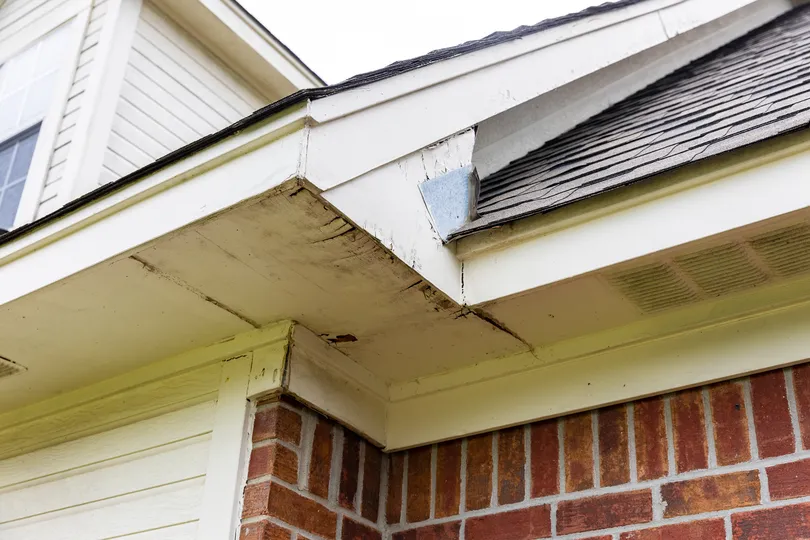
The most common signs your soffit needs repair are visible cracks or holes, peeling paint, water stains, animal activity, poor attic ventilation and damaged fascia boards.
- Visible Cracks or Holes: Any visible damage can be an immediate red flag.
- Peeling Paint: Often a sign of water damage.
- Water Stains: Indicate possible leaks.
- Animal Activity: Sounds of scurrying or nests around the soffit area.
- Poor Ventilation: Attic heat buildup could be a sign of blocked soffit vents.
- Damaged Fascia Boards: Issues with fascia boards, such as decay or the need for repair, can indicate potential problems with the soffit.
What tools and materials do you need to repair a soffit?
Before you start, gather these essential tools and materials:
- Pry bar
- Hammer
- Ladder
- Replacement soffit panels (consider using aluminum soffit for its durability and low maintenance)
- Nails or screws
- Caulk and caulking gun
- Paint and brushes
- Safety gear (gloves, goggles, etc.)
- Measuring tape
- Circular saw or jigsaw
8 Step Guide to Repairing Your Soffit
Repairing a soffit takes eight steps: inspect the damage, set up safely, remove the damaged soffit, prepare the area, measure and cut new panels, install them, seal and finish, and do a final inspection.
Step 1: Inspect and Assess the Damage
First, conduct a thorough inspection to determine the extent of the damage. Look for any signs of water intrusion, mold, and rot. This will help you decide whether you need a simple repair or a complete replacement. Additionally, inspect the roof structure for any signs of damage that may be related to soffit issues.
Step 2: Gather Your Supplies and Set Up Safety Measures
Once you’ve assessed the damage, gather all necessary tools and materials. Set up your ladder securely and ensure you have safety gear like gloves and goggles on hand.
Step 3: Remove the Damaged Soffit
- Use a pry bar to gently remove the damaged soffit panels. Be careful not to damage any surrounding materials.
- If nails or screws are securing the soffit, remove them with a hammer or screwdriver.
- Take note of any water damage or mold that might require additional attention.
Step 4: Prepare the Area
- Clean the exposed area of any debris, old caulk, or nails.
- Check for any structural damage to the rafters or fascia and repair if necessary. If any damage to the fascia is found, consider fascia replacement to ensure the integrity of the repair.
- Treat the area with mold and mildew remover if needed.
Step 5: Measure and Cut Soffit Replacement Panels
- Measure the dimensions of the opening where the soffit will be installed.
- Use a circular saw or jigsaw to cut the replacement soffit panels to size.
- Ensure the new panels fit snugly but allow a little space for expansion.
Replacement panels are typically priced per linear foot, so accurate measurements are crucial to avoid unnecessary costs.
Step 6: Install the New Soffit Panels
- Position the new soffit panels in place, ensuring they are aligned correctly.
- Secure the panels with nails or screws. Make sure to use rust-resistant fasteners.
- If your soffit panels are vented, ensure the vents are not obstructed.
Step 7: Seal and Finish
- Apply caulk to seal any gaps or seams where the soffit meets the house.
- Paint the new soffit panels to match the existing trim of your home.
- Allow the paint and caulk to dry completely.
Step 8: Final Inspection
Once all repairs are completed, do a final inspection to ensure everything is secured and properly sealed. Check the ventilation to make sure it’s working effectively.
Should you repair or replace your soffit?
Repair is usually enough when damage is limited to one or two panels with no rot behind them; replacement is more likely when more than 30% of the soffit run is damaged or there’s rot in the rafters or fascia.
When repair is the right call
Repair is usually sufficient when:
- The damage is isolated to one or two panels with no spread to surrounding areas
- There is no underlying rot in the rafters or fascia behind the soffit
- The soffit material is less than 10–15 years old and otherwise in good condition
- Damage was caused by a single event (a fallen branch, minor pest entry) rather than long-term moisture exposure
In these cases, following the 8-step guide above should restore your soffit effectively and extend its lifespan by several years.
When replacement makes more sense
Consider full soffit replacement when:
- More than 30% of the soffit run is damaged. At that point, piecemeal repairs become costlier than replacing the whole section
- You find wood rot in the rafters or fascia boards behind the soffit. This signals a moisture problem that a surface repair won’t solve
- The existing material is aging vinyl or wood that is warping, fading, or losing structural integrity across the board
- Pest damage is widespread. Squirrels, wasps, and carpenter bees often damage far more than what’s visible from the ground
- You’re already replacing gutters, fascia, or roofing. Bundling soffit replacement into a larger exterior project saves significant labor cost
Not sure which you need?
If you’re finding rot behind the panels, widespread staining, or damage in multiple sections, it’s worth getting a professional eye on it before investing in materials. McCormick Renovations offers free soffit and fascia inspections for Pittsburgh-area homeowners — we’ll tell you honestly whether a repair will hold or whether replacement is the smarter investment.
Additional Tips for Maintaining Your Soffit from a Roofing Contractor
To keep your soffit in good condition, inspect it regularly (especially after severe weather), keep your gutters clean, seal gaps where pests can enter and make sure your attic is properly ventilated.
Regular Inspections
Regularly inspect your soffits, especially after severe weather. Early detection of issues can save you from costly repairs down the line.
Clean Your Gutters
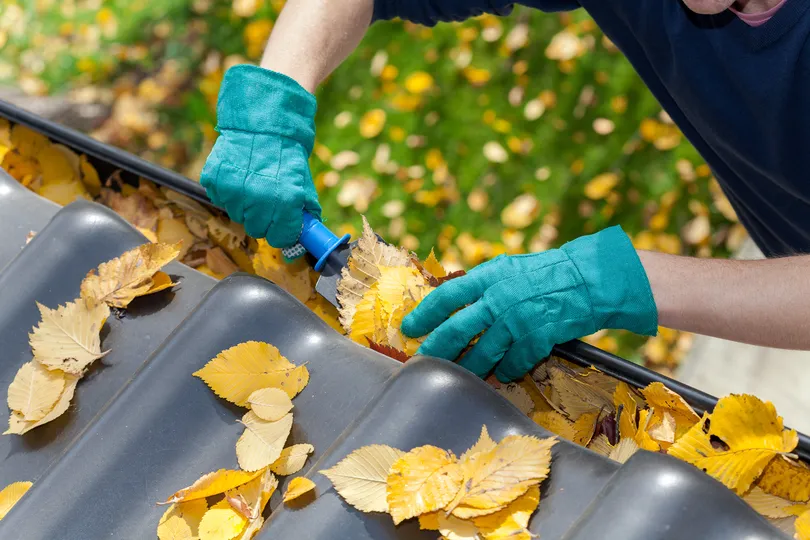
Keep your gutters clean to prevent water overflow, which can damage your soffits. Clean gutters also help protect the entire roof from water damage by ensuring proper drainage and preventing water from seeping into the home.
Pest Control for Soffit and Fascia Board
Ensure there are no gaps or holes where pests can enter. Regularly check for nests or signs of animal activity.
Ventilation Check
Ensure your attic is properly ventilated. Poor ventilation can lead to moisture buildup and damage to your soffits and roof. Proper ventilation helps maintain the stability and integrity of the roofing system.
When should you call a professional for soffit repair?
Call a professional if the damage goes deeper than a surface fix, such as rot in the rafters or fascia, or the area is large or hard to reach.. Regular maintenance and timely repairs not only enhance the aesthetic appeal of your home but also protect its structural integrity.
If you feel overwhelmed at any point, or suspect the damage goes deeper than a surface fix, you don’t have to figure it out alone. McCormick Renovations has been serving Pittsburgh and the surrounding Western Pennsylvania communities for over 35 years. We’re a family-owned company built on honest assessments, quality workmanship, and the kind of communication you’d expect from a neighbor, not a national chain.
Your home is one of your most significant investments. Whether the job calls for a simple repair or a full soffit replacement, our team will walk you through every option and give you a straight answer. No pressure, no upselling.
Get your free soffit estimate today!
Frequently Asked Questions
What causes soffit damage?
The most common causes of soffit damage in Pittsburgh-area homes are moisture and water infiltration, pest activity, and age-related wear. Clogged gutters are a leading culprit, when water overflows and sits against the soffit, it accelerates rot in wood soffits and causes staining and warping in vinyl and aluminum. Squirrels, wasps, and carpenter bees frequently nest in or chew through soffit panels, especially in older homes. Harsh Western Pennsylvania winters, with repeated freeze-thaw cycles, also place significant stress on soffit materials over time.
How do I know if my soffit needs repair or replacement?
If the damage is limited to one or two panels with no rot behind them, repair is usually sufficient. If you find soft or crumbling wood behind the panels, widespread staining, or damage across multiple sections of the roofline, replacement is likely the more cost-effective long-term solution. When in doubt, a professional inspection will give you a definitive answer before you invest in materials.
Can I repair soffit myself?
Yes, minor soffit repairs are a manageable DIY project for a confident homeowner with basic tools. Replacing a single damaged panel, resealing gaps, or clearing blocked vents are all tasks covered in the step-by-step guide above. However, if the damage involves underlying rot in the rafters or fascia, or if the affected area is large or difficult to access safely, it’s worth calling a professional. Mistakes in soffit installation can lead to poor attic ventilation and accelerated moisture damage.
How much does soffit repair cost in Pittsburgh?
Minor soffit repairs in the Pittsburgh area typically run between $150 and $400. Partial panel replacements covering one or two sections generally range from $300 to $700, while a full soffit replacement along an entire roofline can cost $800 to $2,500 or more depending on material choice and labor. Aluminum and vinyl tend to be the most affordable options, while wood repairs carry higher labor costs. Getting a free estimate from a local contractor is the best way to get an accurate number for your specific situation.